Natural Stone vs. Porcelain Tiles : Expert Guide for Architecture & Interior Design
Natural Stone vs. Porcelain Tiles: Expert Guide for Architecture & Interior Design Johor Bahru
When planning a new home, commercial property, or office renovation, choosing the right flooring and wall materials is an important design decision. Among the many options available today, natural stone and porcelain tiles remain two popular choices because of their durability, visual appeal, and versatility.
But which material is more suitable for your project?
The answer depends on several factors, including your design style, budget, maintenance expectations, location, durability requirements, and overall project goals. Whether you are working with an Architecture Design Johor Bahru team, planning a Renovation Johor Bahru project, or looking for Interior Design near me, understanding the differences between natural stone and porcelain tiles can help you make a more informed decision.
What Is Natural Stone?
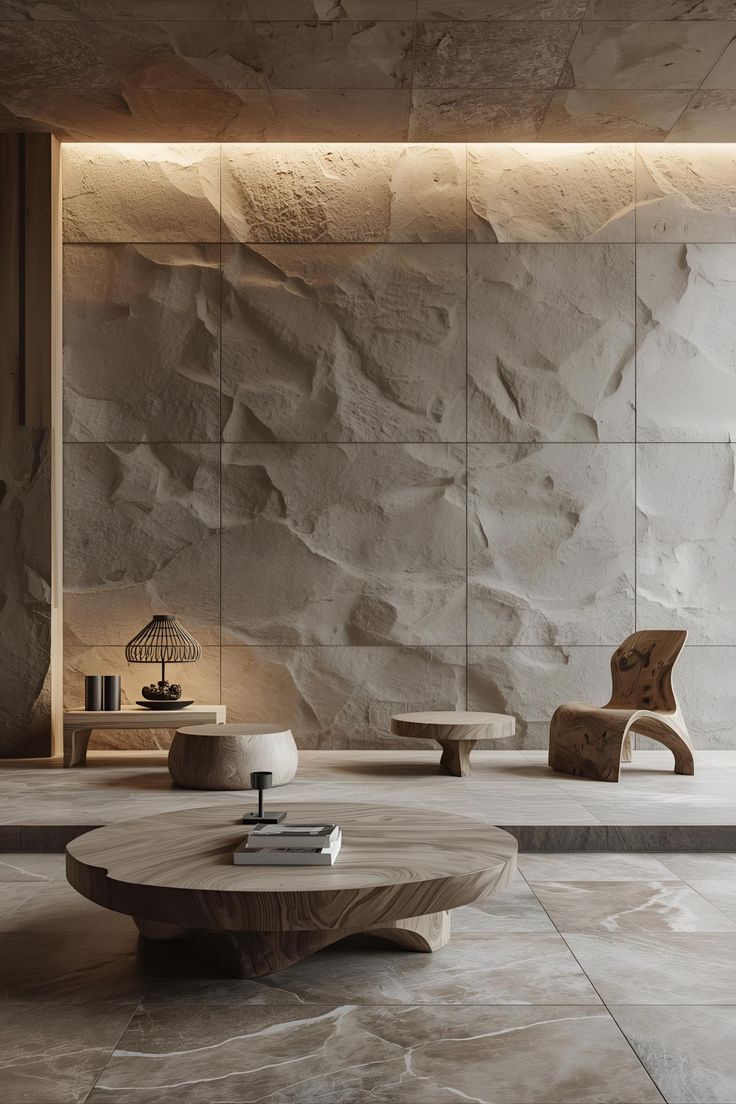
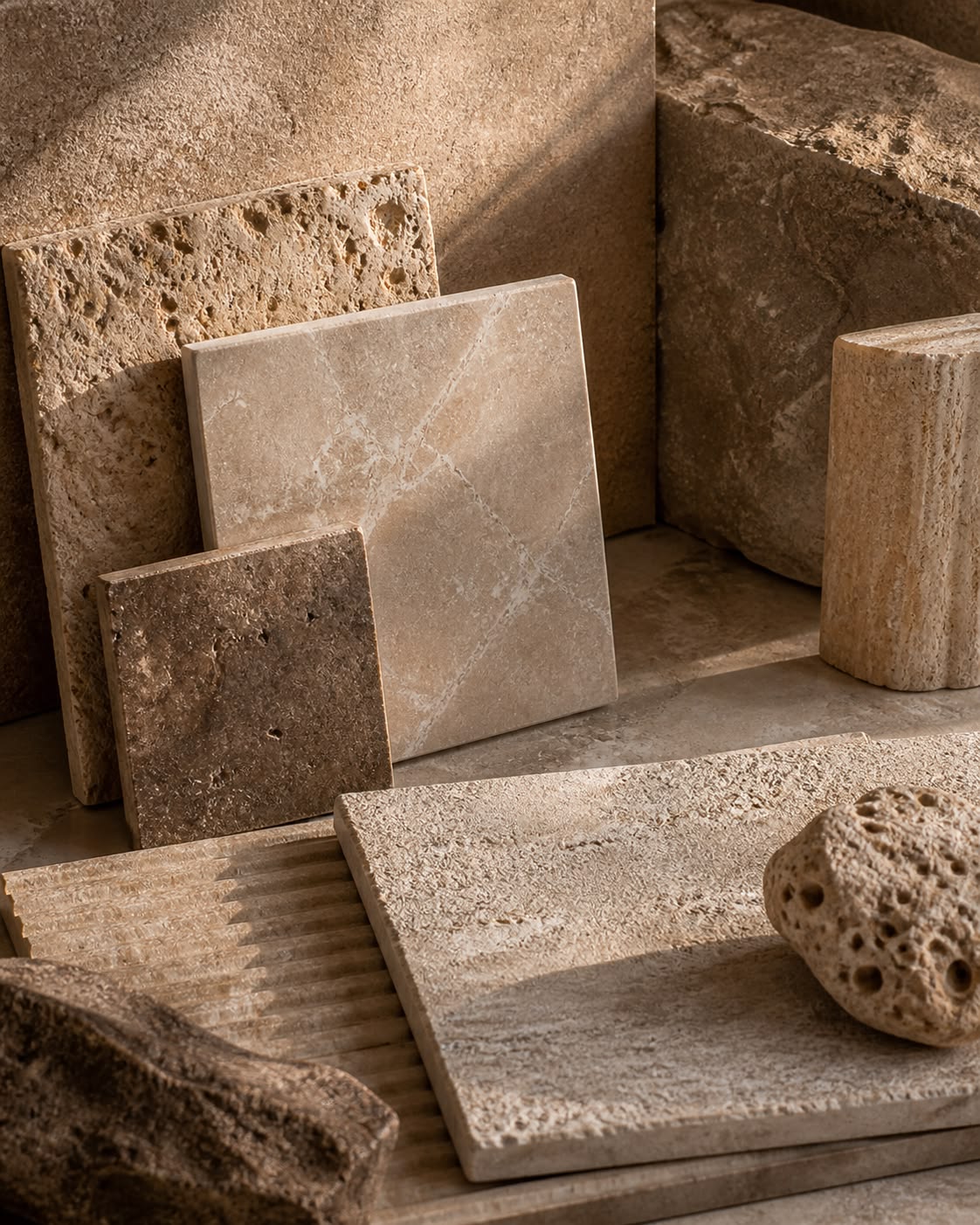
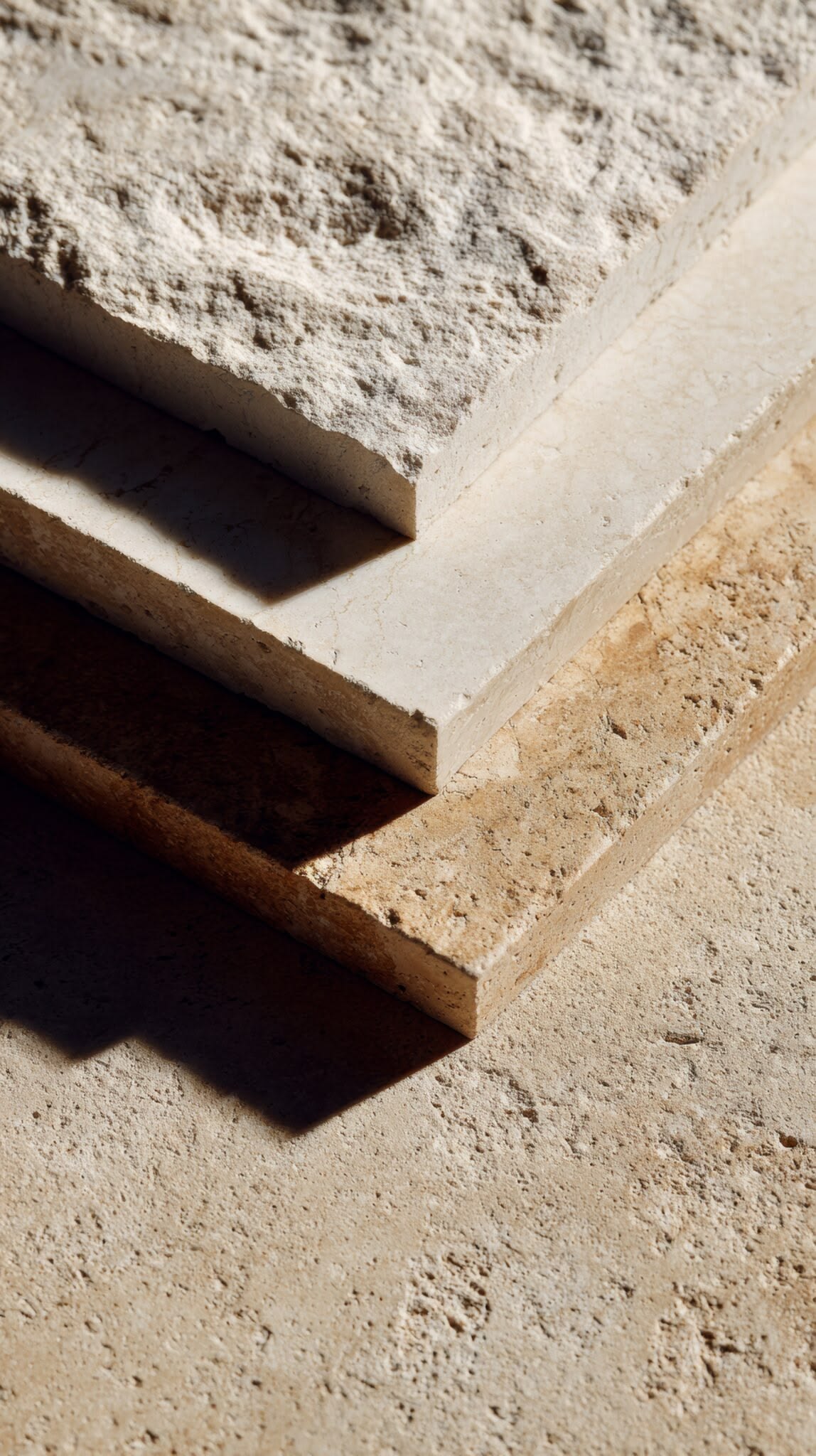
Natural stone is a building material quarried directly from the earth and cut into slabs or tiles. Each piece has naturally occurring colours, patterns, textures, and variations, making every installation slightly different.
Common types of natural stone used in residential and commercial interiors include:
- Marble
- Granite
- Travertine
- Limestone
- Slate
- Sandstone
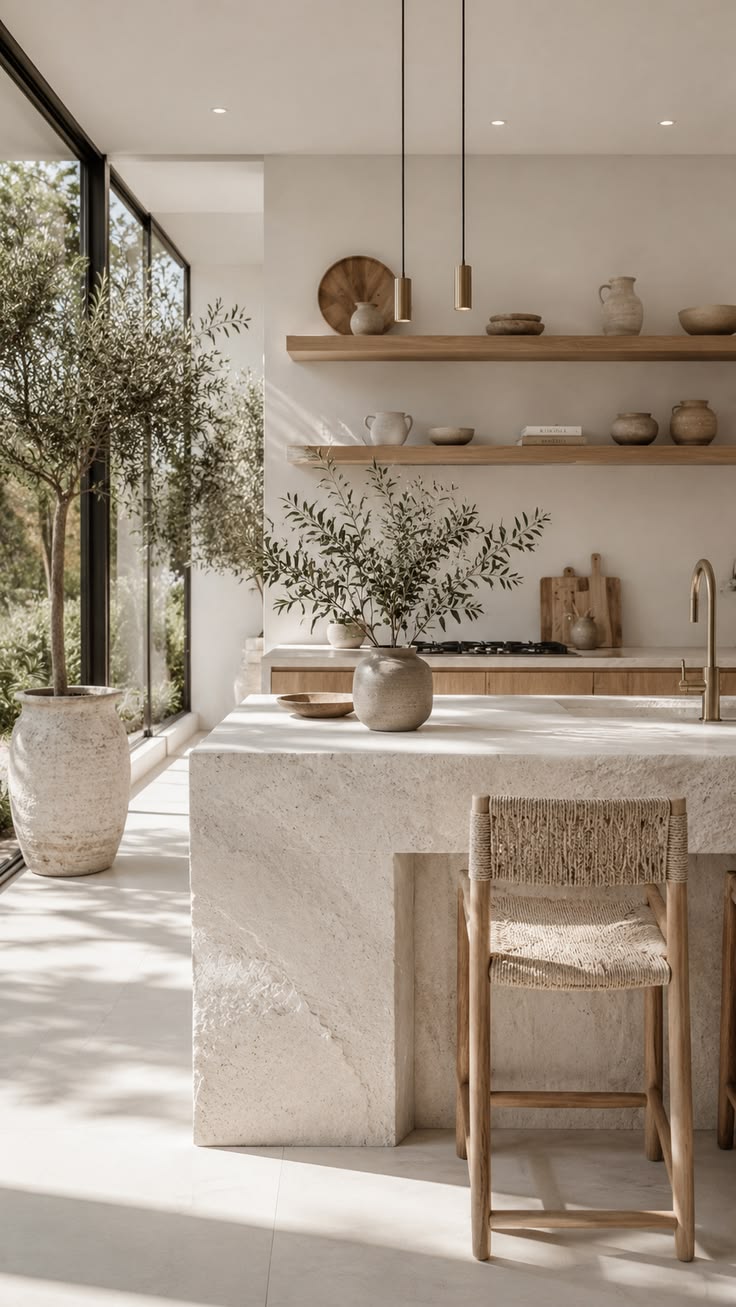
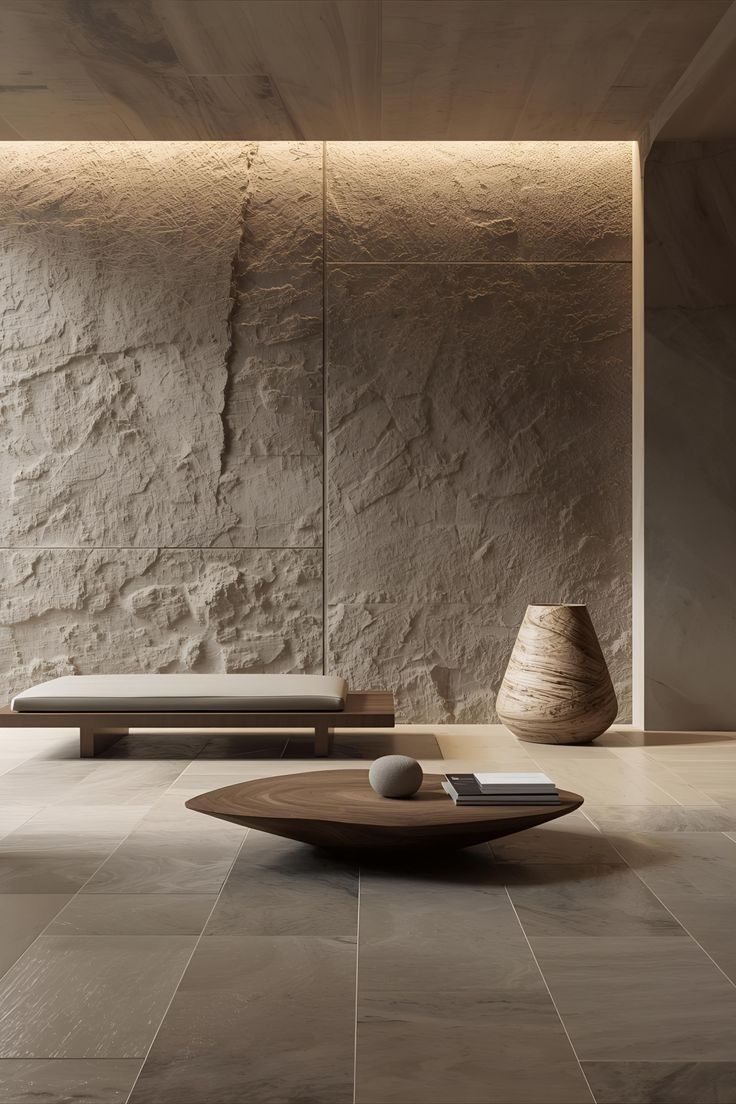
Natural stone is often associated with luxury and timeless architecture. Marble flooring, for example, can create an elegant and sophisticated appearance, while slate can provide a more earthy and textured atmosphere.
One of the biggest attractions of natural stone is its uniqueness. Veining, colour variations, mineral deposits, and natural patterns cannot be perfectly replicated from one piece to another.
What Are Porcelain Tiles?
Porcelain tiles are manufactured from refined clay and other natural materials that are pressed and fired at very high temperatures. This manufacturing process creates a dense, durable, and low-porosity material.
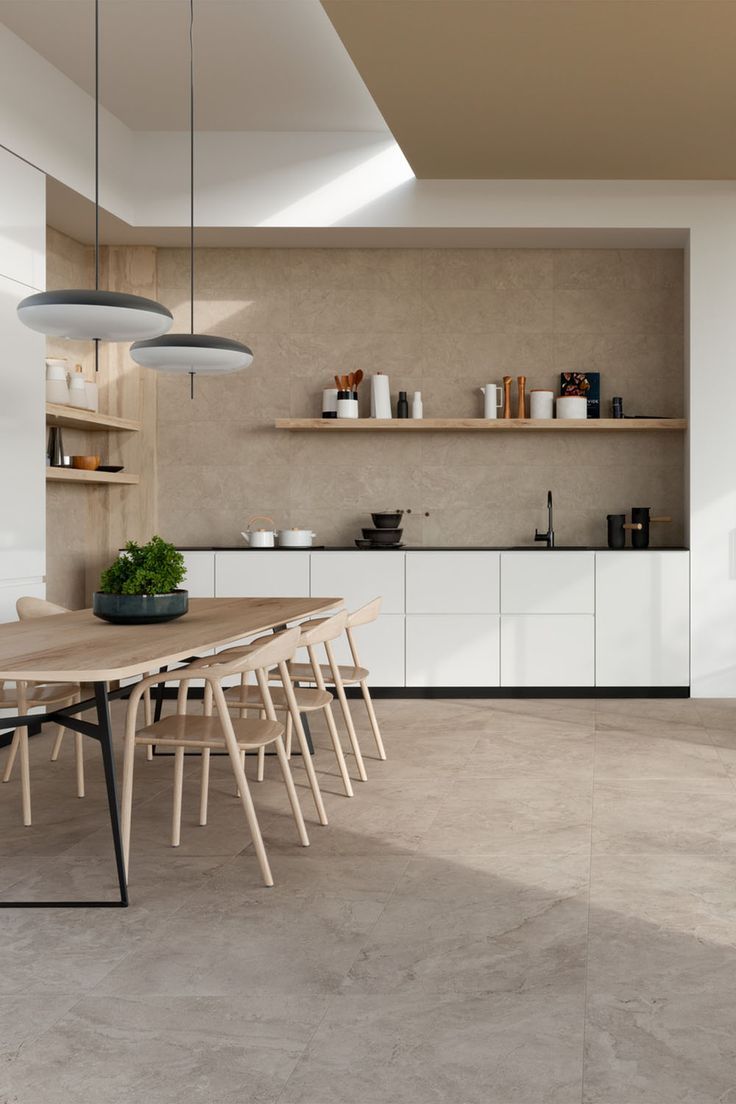
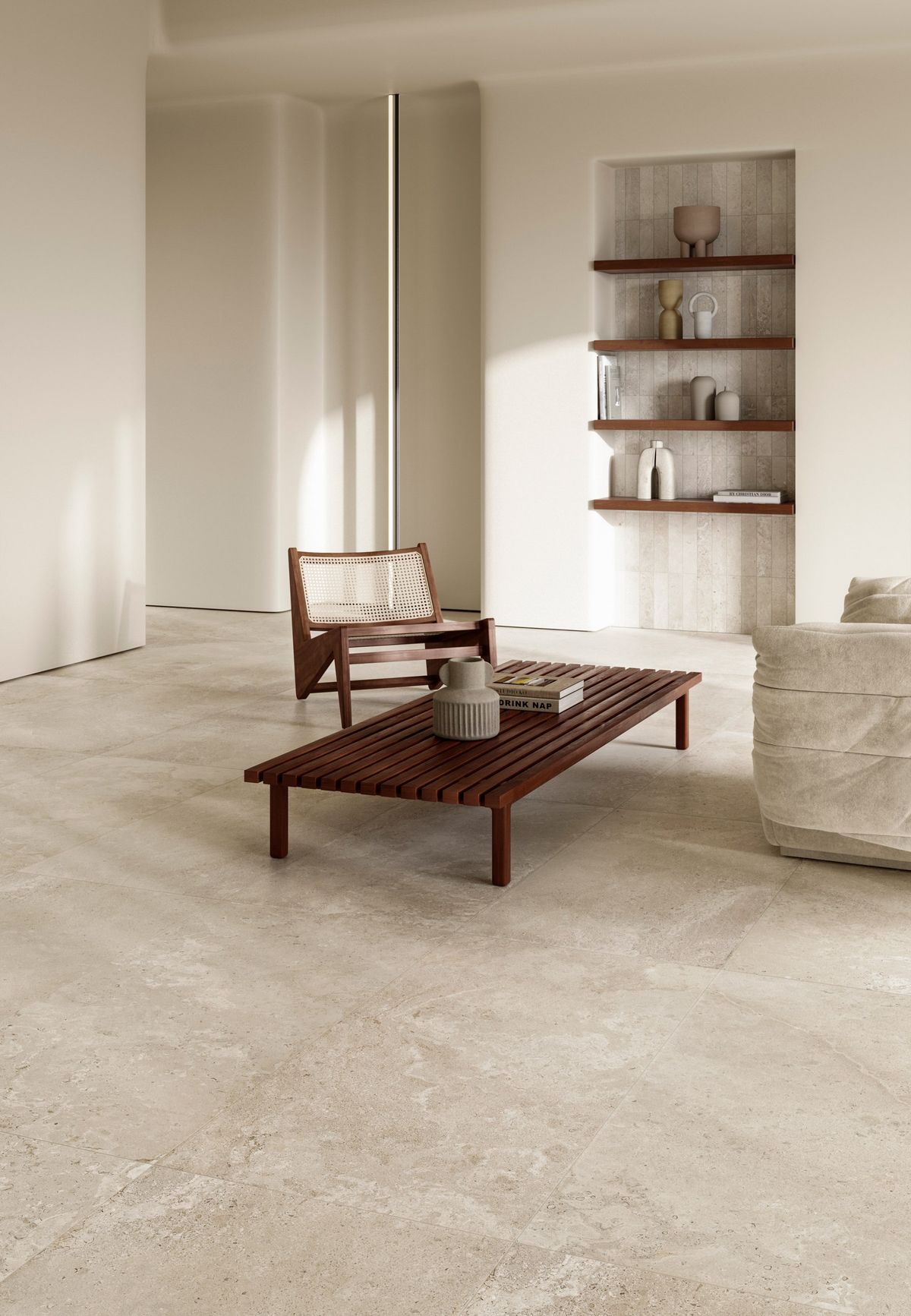
Porcelain tiles are available in a wide variety of colours, sizes, textures, and patterns. Modern manufacturing technology can also produce porcelain tiles that closely resemble:
- Marble
- Granite
- Concrete
- Timber
- Limestone
- Terrazzo
- Natural stone
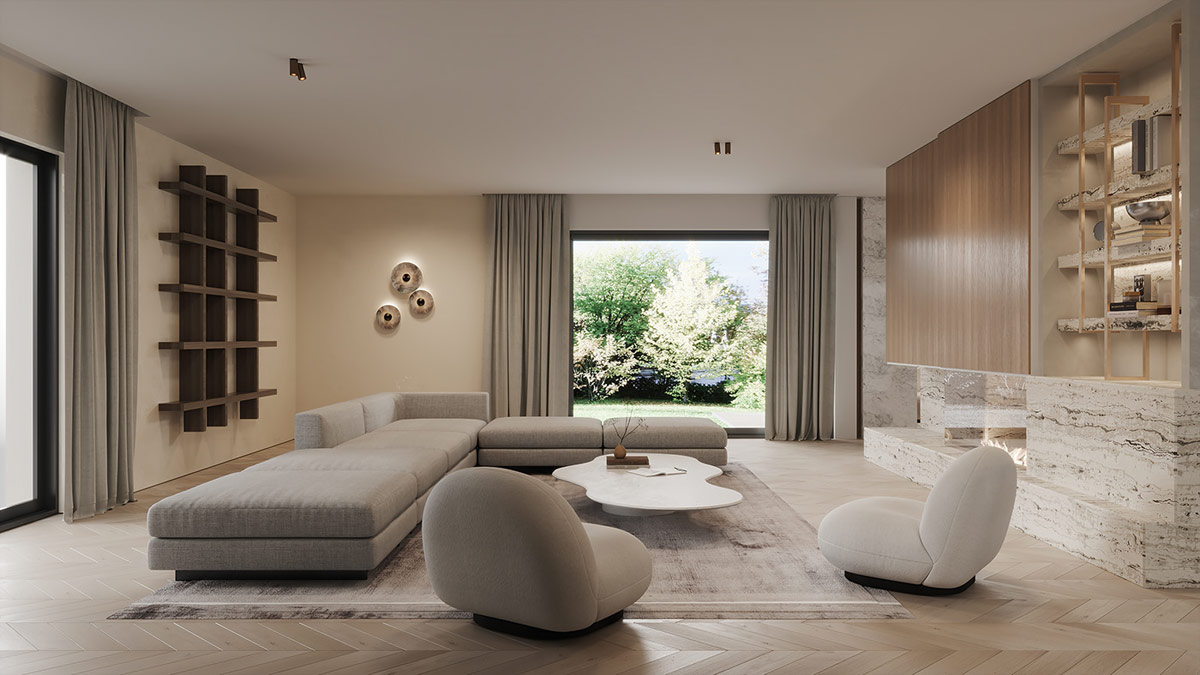
This gives designers considerable flexibility when creating contemporary interiors.
For homeowners working with an Interior Design near me service, porcelain tiles can be particularly useful because they offer many design possibilities without requiring the same level of maintenance associated with certain natural stones.
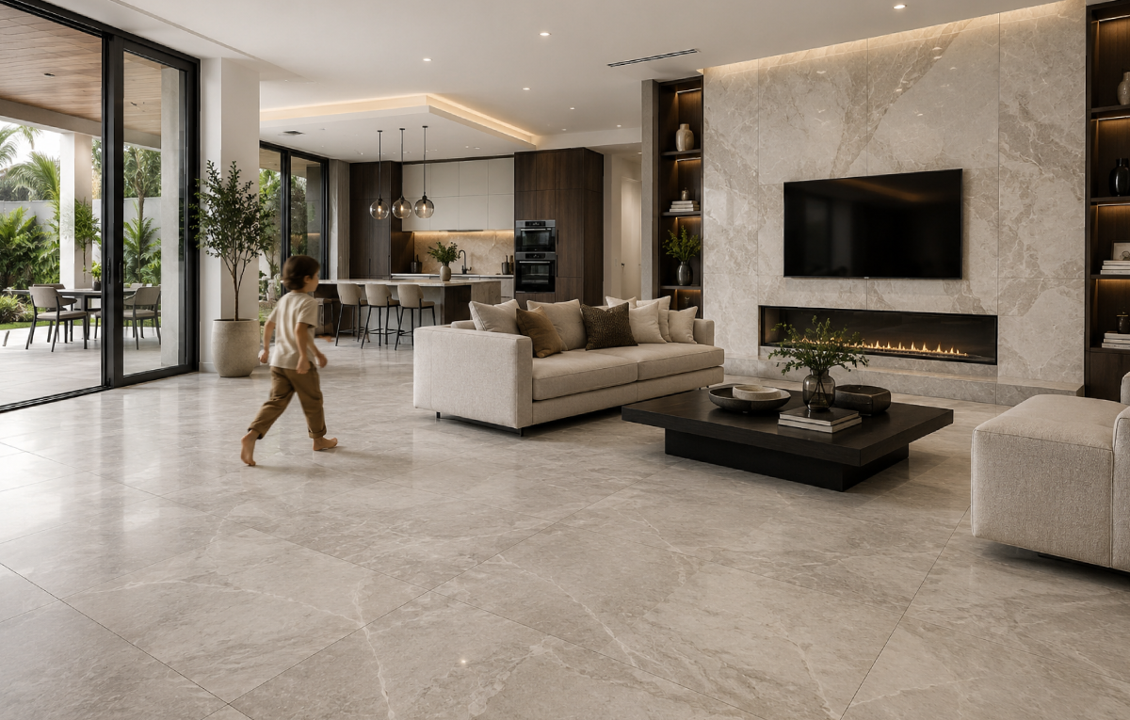
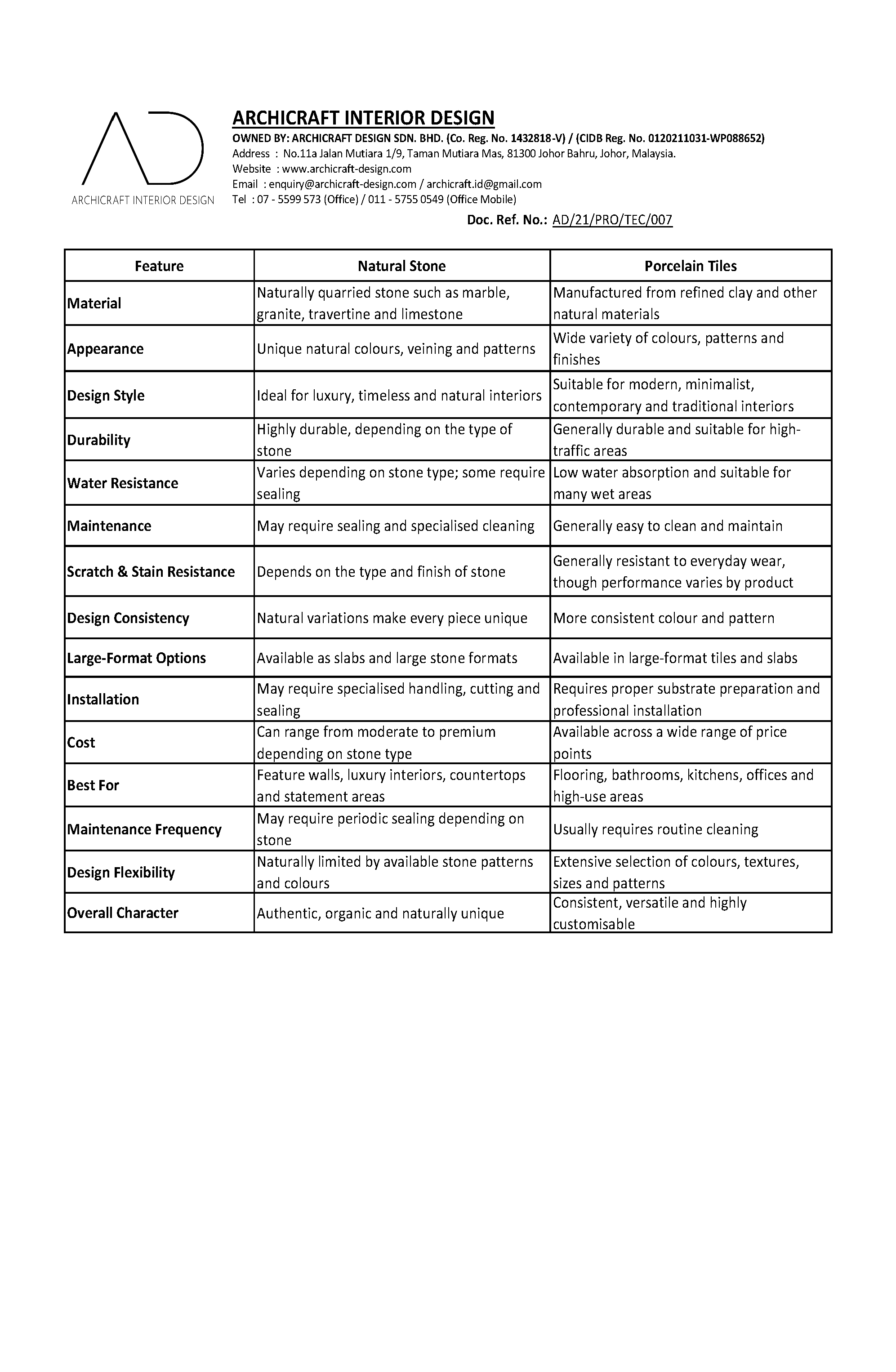
Natural Stone vs. Porcelain Tiles: Key Differences
Before choosing a material, it is useful to compare them based on the factors that matter most to your project.
1. Appearance and Design
Natural stone offers an authentic appearance that comes directly from geological formations. Its natural veining and variations can create a highly distinctive look.
Marble, for example, is frequently used for feature walls, floors, countertops, bathrooms, and luxury interiors. Granite offers a more robust appearance, while limestone and travertine can create a softer, natural atmosphere.
Porcelain tiles, on the other hand, provide greater consistency. Because they are manufactured, designers can select specific colours, patterns, finishes, and sizes.
Large-format porcelain tiles can also create a clean and seamless appearance with fewer grout joints.
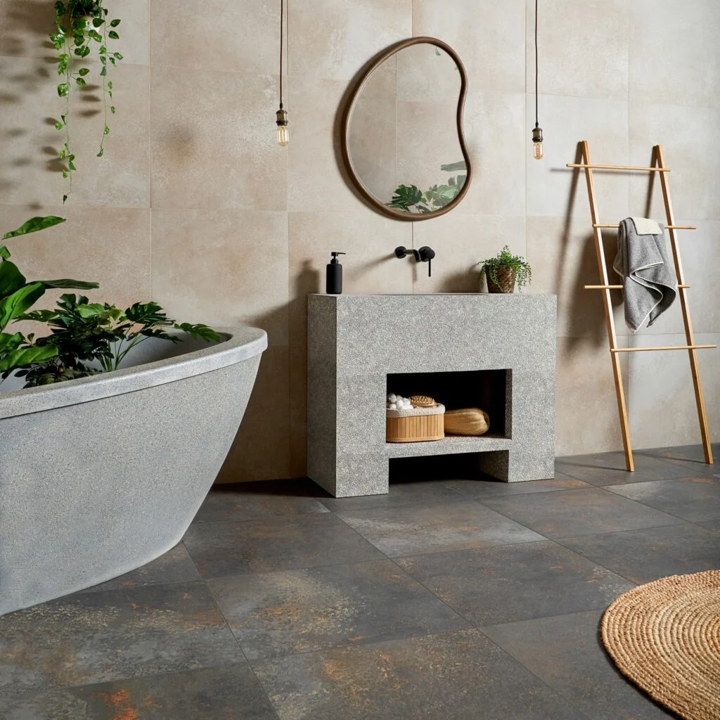
Which one should you choose?
If you appreciate natural variation and want an authentic material, natural stone may be more suitable.
If you want greater consistency and a wider range of design options, porcelain tiles may provide more flexibility.
2. Durability
Durability is another important consideration, particularly for areas with heavy foot traffic.
Natural stone can be extremely durable, depending on the type of stone selected. Granite, for example, is highly resistant to wear and is commonly used for floors and countertops.
However, different types of natural stone have different properties. Softer stones may be more susceptible to scratching, staining, or surface wear if they are not properly maintained.
Porcelain tiles are generally dense and resistant to moisture, scratches, and everyday wear. This makes them suitable for areas such as:
- Living rooms
- Kitchens
- Bathrooms
- Hallways
- Retail spaces
- Restaurants
- Offices
- Commercial buildings
For projects involving Construction johor bahru, material selection should take into account the expected usage, environmental conditions, and technical requirements of the building.
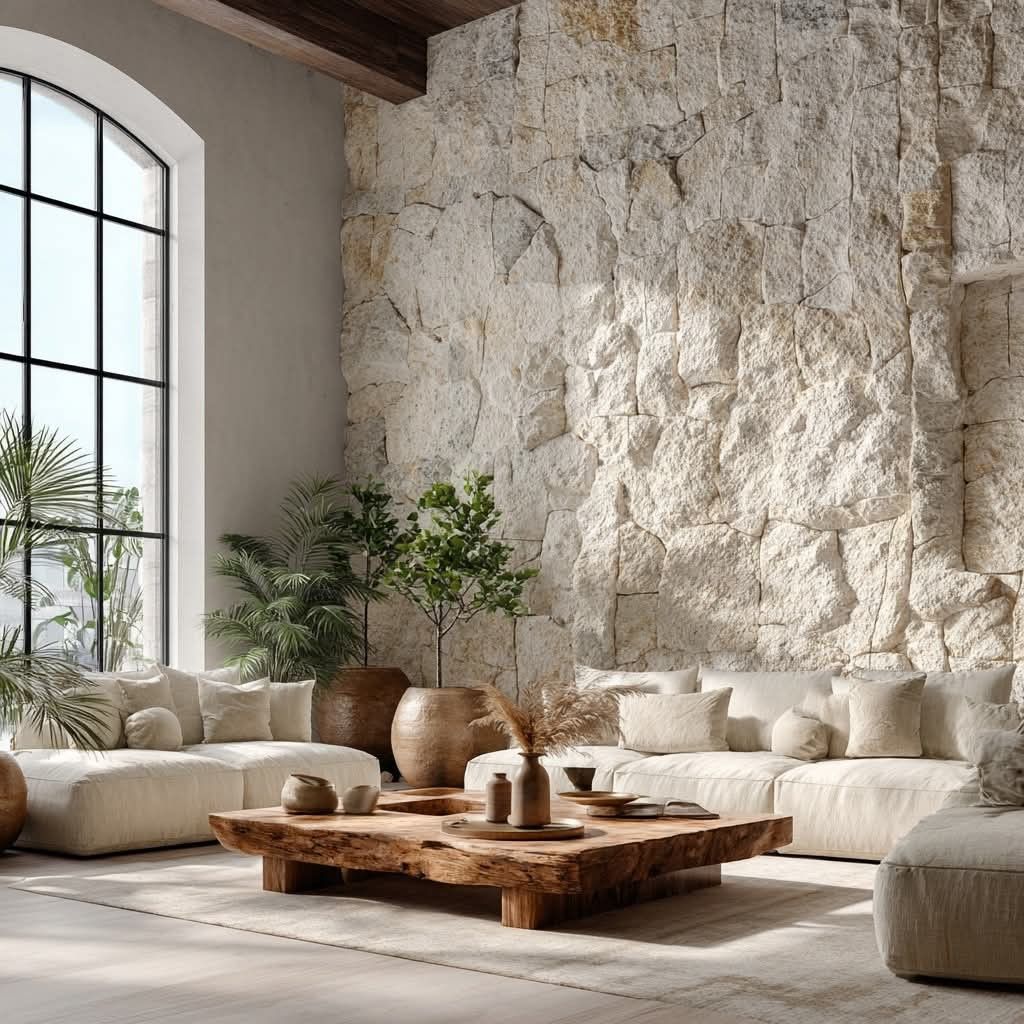
3. Maintenance Requirements
Maintenance is one of the most significant differences between natural stone and porcelain tiles.
Some natural stones are porous and require sealing to help protect the surface from moisture and staining. Depending on the type of stone and location, periodic resealing may be necessary.
Cleaning products also need to be selected carefully. Certain acidic or abrasive cleaners can damage sensitive natural stone surfaces.
Porcelain tiles generally require less maintenance. Routine cleaning with appropriate tile-cleaning products is usually sufficient for most applications.
This makes porcelain an attractive choice for busy households and commercial environments where easy maintenance is a priority.
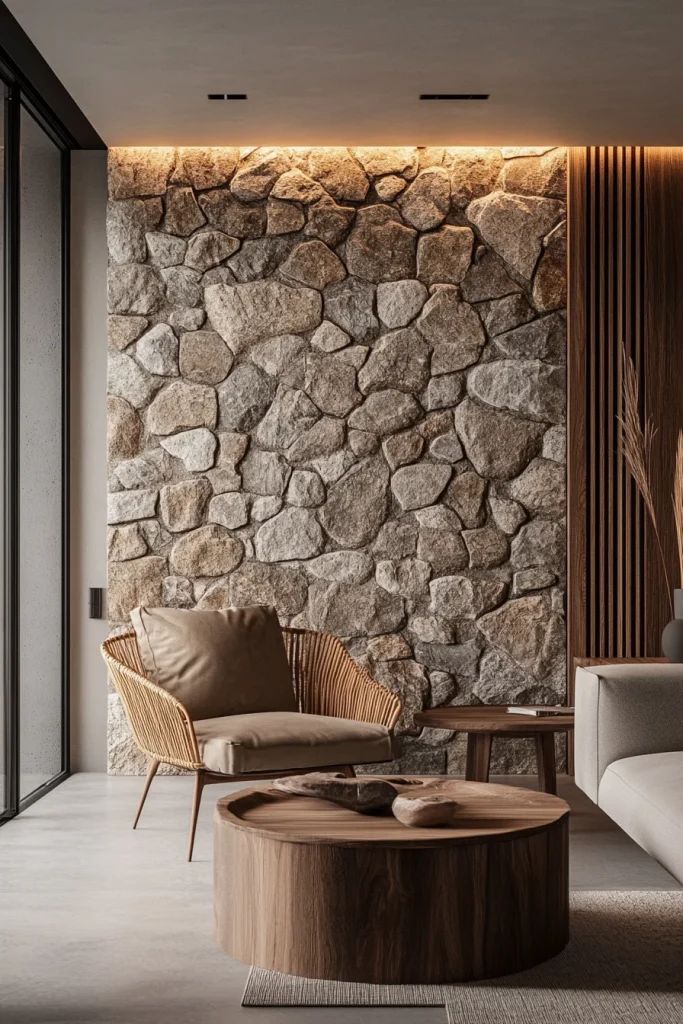
4. Water and Moisture Resistance
Moisture resistance is particularly important in bathrooms, kitchens, balconies, and other wet areas.
Porcelain tiles have very low water absorption, making them suitable for many wet-area applications.
Natural stone varies considerably depending on the type. Some stones can absorb moisture more easily and therefore require appropriate sealing and installation methods.
When planning a bathroom renovation, for example, it is important to consider not only the appearance of the material but also its porosity, slip resistance, cleaning requirements, and installation details.
A professional Renovation Johor Bahru contractor or designer can help determine which material is appropriate for each area of the property.
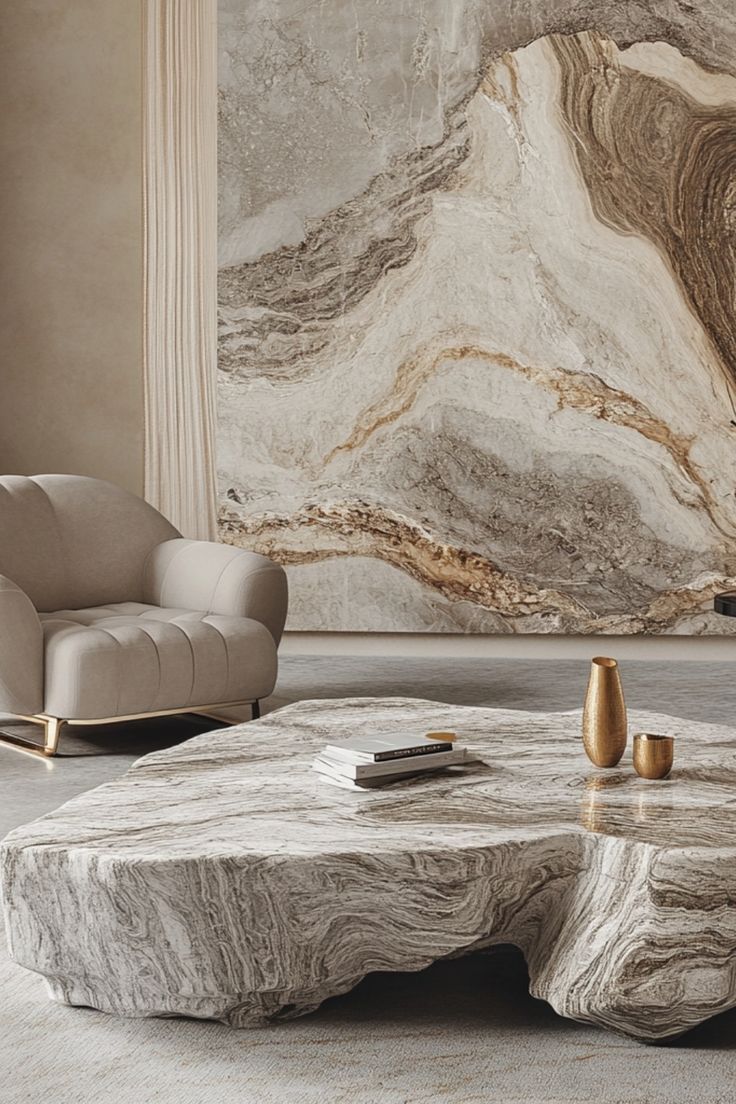
5. Cost
Budget is another major factor.
The total cost of natural stone can vary significantly depending on:
- Type of stone
- Stone grade
- Thickness
- Size
- Origin
- Availability
- Finishing
- Installation requirements
Premium marble and rare natural stones can be considerably more expensive than standard tile products.
Porcelain tiles are available across a broad price range. Standard products can be relatively affordable, while premium large-format or highly detailed porcelain tiles can also command higher prices.
Importantly, the purchase price is only part of the overall cost. Installation, wastage, transportation, sealing, maintenance, and long-term replacement should also be considered.
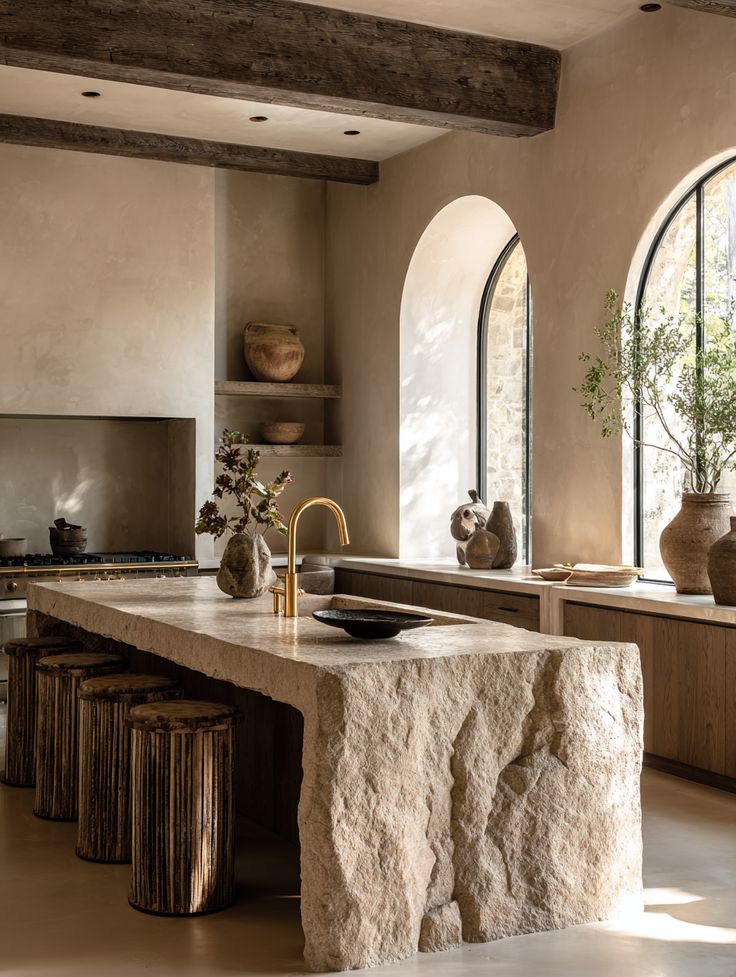
6. Installation
Natural stone can require experienced installers because the material may have variations in thickness, colour, texture, and pattern.
Certain stones may also require specific adhesives, substrate preparation, sealing, cutting, and finishing techniques.
Porcelain tiles also require professional installation, especially when using large-format tiles. Proper substrate preparation is essential to minimise problems such as uneven surfaces, lippage, cracking, or tile failure.
For a complete architectural or renovation project, material selection should ideally happen during the design stage rather than after construction has already started.
This allows the Architecture Design Johor Bahru and construction teams to coordinate dimensions, floor levels, wall thicknesses, lighting, joinery, and other details around the selected materials.
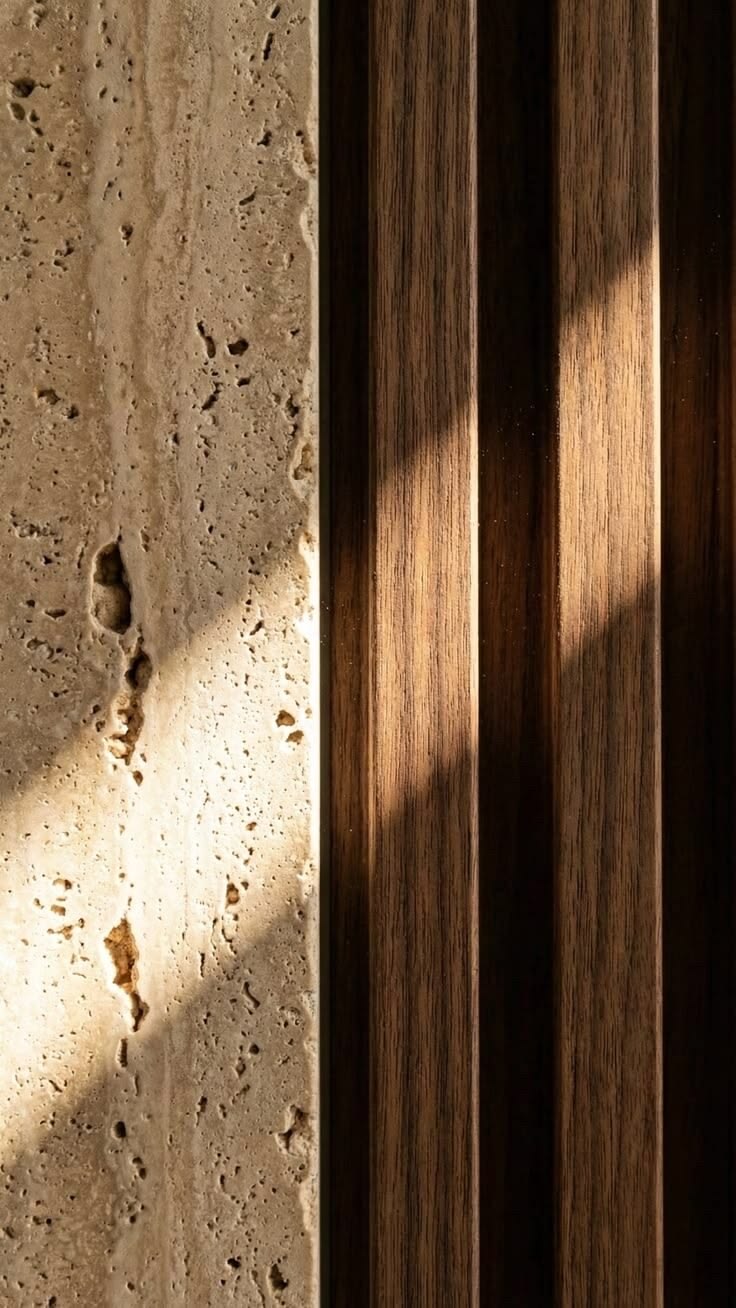
7. Large-Format Applications
Large-format surfaces have become increasingly popular in contemporary architecture and interior design.
Large porcelain slabs can be used for:
- Feature walls
- Kitchen backsplashes
- Bathroom walls
- Flooring
- Reception areas
- Office feature walls
- Countertops
- Retail interiors
Their larger dimensions can reduce the number of visible joints and create a modern, minimalist appearance.
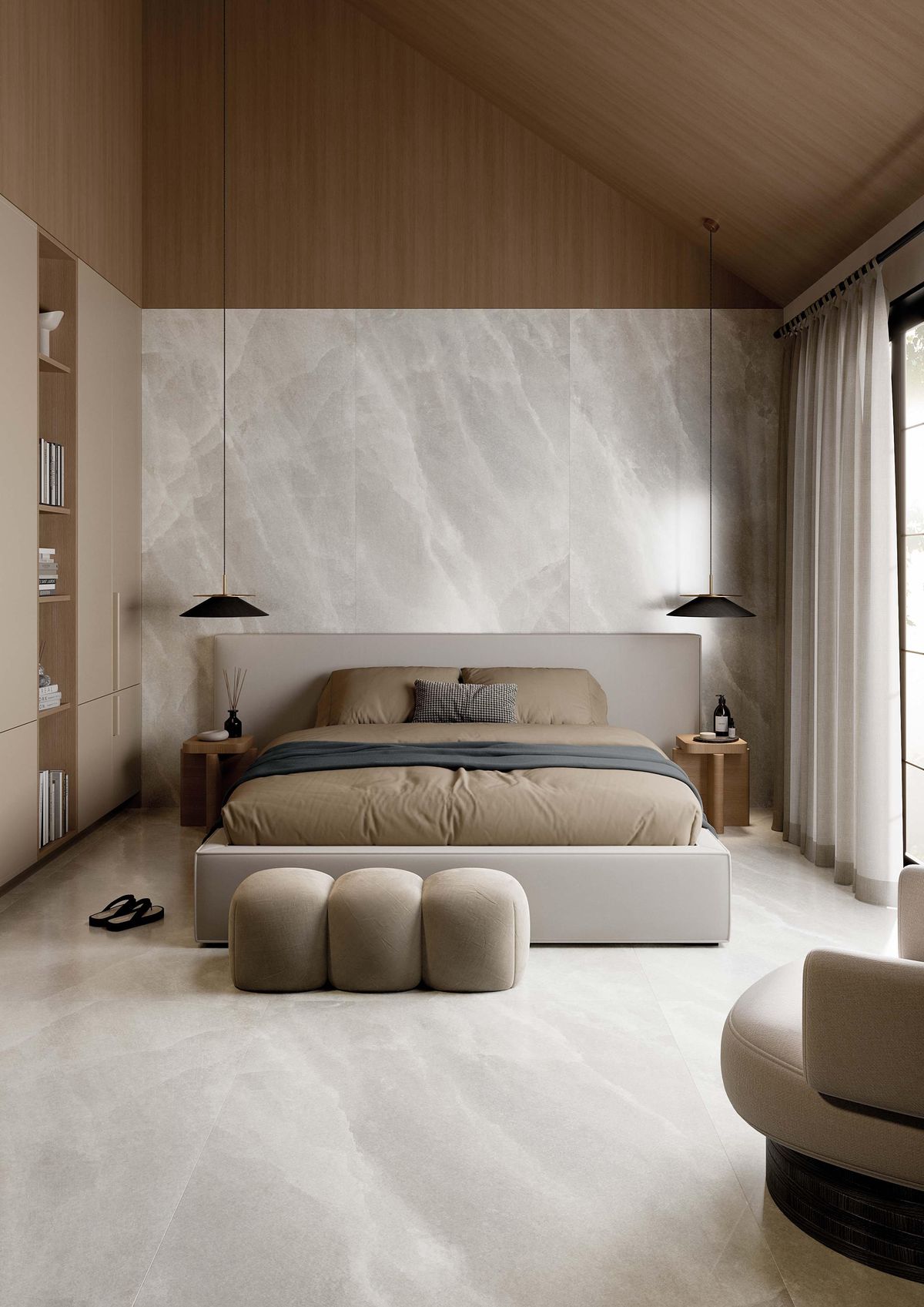
Natural stone slabs can also create impressive feature surfaces, particularly when the natural veining is carefully selected and positioned.
For luxury interiors, book-matched marble or other natural stone can become a major architectural feature.
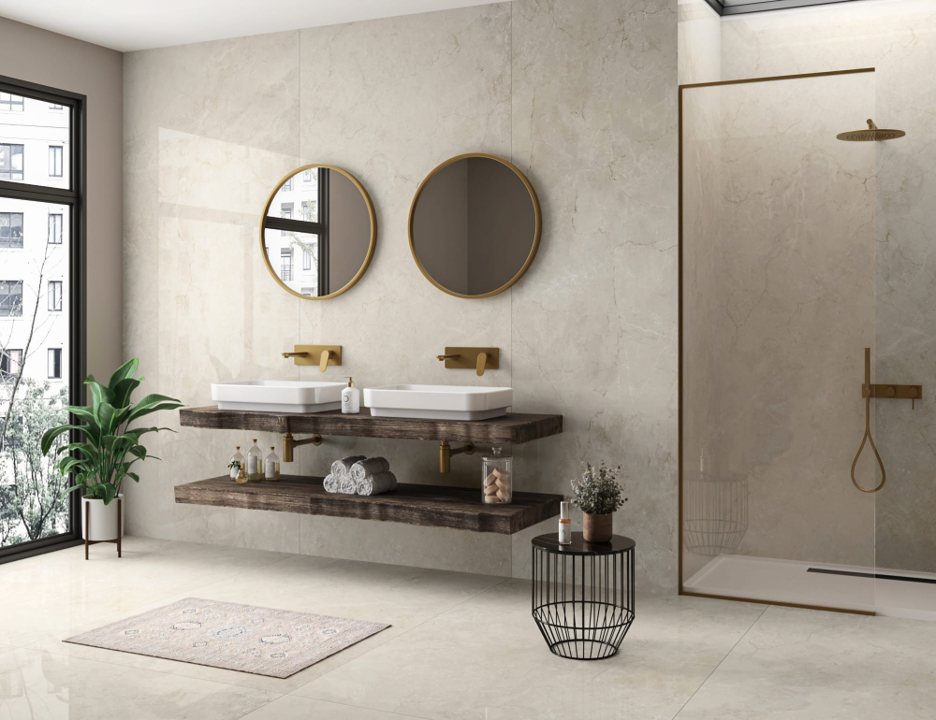
8. Sustainability and Material Considerations
Environmental considerations are becoming increasingly important in modern architecture and construction.
Natural stone is a natural material, but quarrying, processing, transportation, and installation all have environmental impacts.
Porcelain tiles are manufactured products, and their environmental impact depends on factors such as manufacturing processes, energy consumption, transportation, product lifespan, and recycling practices.
Instead of choosing a material based solely on whether it is labelled "natural" or "manufactured," it is useful to consider the entire lifecycle of the product.
A design professional can also help select materials that are durable and appropriate for the building's expected lifespan, reducing unnecessary replacement and renovation.
Natural Stone vs. Porcelain Tiles for Different Spaces
The best material can vary depending on where it will be used.
1. Living Room
- Both materials can work well in living rooms.
- Natural stone can create a luxurious and distinctive atmosphere, while porcelain offers a wider range of finishes and can imitate natural materials such as marble or timber.
2. Kitchen
- Porcelain is often a practical choice for kitchen floors and walls because of its low water absorption and relatively easy maintenance.
- Natural stone can also be used successfully, particularly for countertops and feature surfaces, provided the selected stone is appropriate and properly maintained.
3. Bathroom
- Porcelain is particularly suitable for bathrooms because of its low porosity and wide selection of anti-slip finishes.
- Natural stone can create a spa-like environment, but appropriate sealing and maintenance should be considered.
4. Office
- For offices, porcelain tiles can provide a clean, contemporary appearance while offering durability and straightforward maintenance.
- Natural stone may be used strategically in reception areas, executive offices, meeting rooms, or feature walls to create a premium visual impression.
- A well-planned Office Interior Design Johor Bahru project may combine both materials rather than using only one throughout the entire space.
Can You Combine Natural Stone and Porcelain Tiles?
Yes. In fact, combining the two materials can create an interesting and balanced interior.
For example, a designer might use:
Natural stone
- Reception feature wall
- Kitchen island
- Luxury bathroom feature
- Fireplace surround
- Selected countertop
Porcelain tiles
- Main flooring
- Bathroom flooring
- Kitchen backsplash
- Corridor
- High-traffic commercial areas
This approach allows the natural stone to become a focal point while porcelain provides practicality in areas that experience more daily wear.
The key is to coordinate the colours, textures, grout lines, patterns, and transitions between materials.
What Should You Consider Before Choosing?
Before selecting natural stone or porcelain tiles, consider these questions:
- What is the purpose of the space? A luxury residential living room may have different material requirements from a busy commercial corridor.
- How much maintenance are you comfortable with? If low maintenance is a priority, porcelain may be more convenient. If you appreciate the character of natural stone and are willing to maintain it properly, natural stone can be an excellent choice.
- What is your budget? Consider the complete installed cost rather than simply comparing the price per square metre.
- What aesthetic are you trying to achieve? Natural stone offers authentic variation, while porcelain provides extensive design choices and consistent appearance.
- How much traffic will the surface receive? High-traffic areas require materials with appropriate durability and slip-resistance characteristics.
- What are the environmental conditions? Humidity, water exposure, sunlight, and temperature changes can affect material selection.
- How will the material work with the overall architecture? Flooring and wall materials should complement the building's architecture, lighting, furniture, cabinetry, and colour palette.
The Importance of Professional Design and Installation
Choosing between natural stone and porcelain tiles is not simply a matter of selecting the material that looks better.
The final result depends on how the material works with the overall design and how it is installed.
A professional designer can consider factors such as:
- Spatial planning
- Material combinations
- Lighting
- Colour schemes
- Tile proportions
- Grout selection
- Floor transitions
- Furniture arrangement
- Maintenance requirements
- Construction details
For property owners planning a project in Johor Bahru, working with an experienced Architecture Design Johor Bahru and renovation team can help coordinate these decisions from concept through construction.
Similarly, if you are searching for Interior Design near me, look beyond portfolio images and consider whether the designer understands your property's functional requirements, budget, material preferences, and long-term maintenance needs.
Natural Stone or Porcelain: Which Fits Your Project?
There is no single material that is suitable for every project.
Natural stone offers authentic character, natural variation, and a distinctive premium appearance. It can be particularly effective when the material itself is intended to become a major design feature.
Porcelain tiles offer versatility, consistent appearance, low water absorption, and generally straightforward maintenance. They can also reproduce the appearance of many natural materials while providing designers with extensive choices in size, colour, texture, and finish.
The right decision should therefore be based on the specific requirements of your space rather than simply choosing one material over the other.
Final Thoughts
Natural stone and porcelain tiles can both deliver beautiful and durable results when they are appropriately specified and professionally installed.
For residential projects, the decision may come down to lifestyle, maintenance, aesthetics, and budget. For commercial and office projects, factors such as traffic, durability, cleaning requirements, brand image, and long-term operating costs may become more important.
Whether you are planning a new property, Renovation Johor Bahru, or Construction johor bahru project, selecting flooring and wall materials early in the design process can help create a more cohesive and practical result.
For commercial spaces, a carefully considered Office Interior Design Johor Bahru approach can also combine natural stone and porcelain strategically, allowing each material to perform where it is most appropriate.
Ultimately, the best material is the one that fits your design concept, functional requirements, budget, maintenance expectations, and long-term goals.
Explore Our Work:
Get in Touch:
For bespoke interior solutions tailored to your lifestyle and cultural preferences, contact us at +6011-5755 0549. Let’s turn your vision into a crafted reality.
↵Back to Design