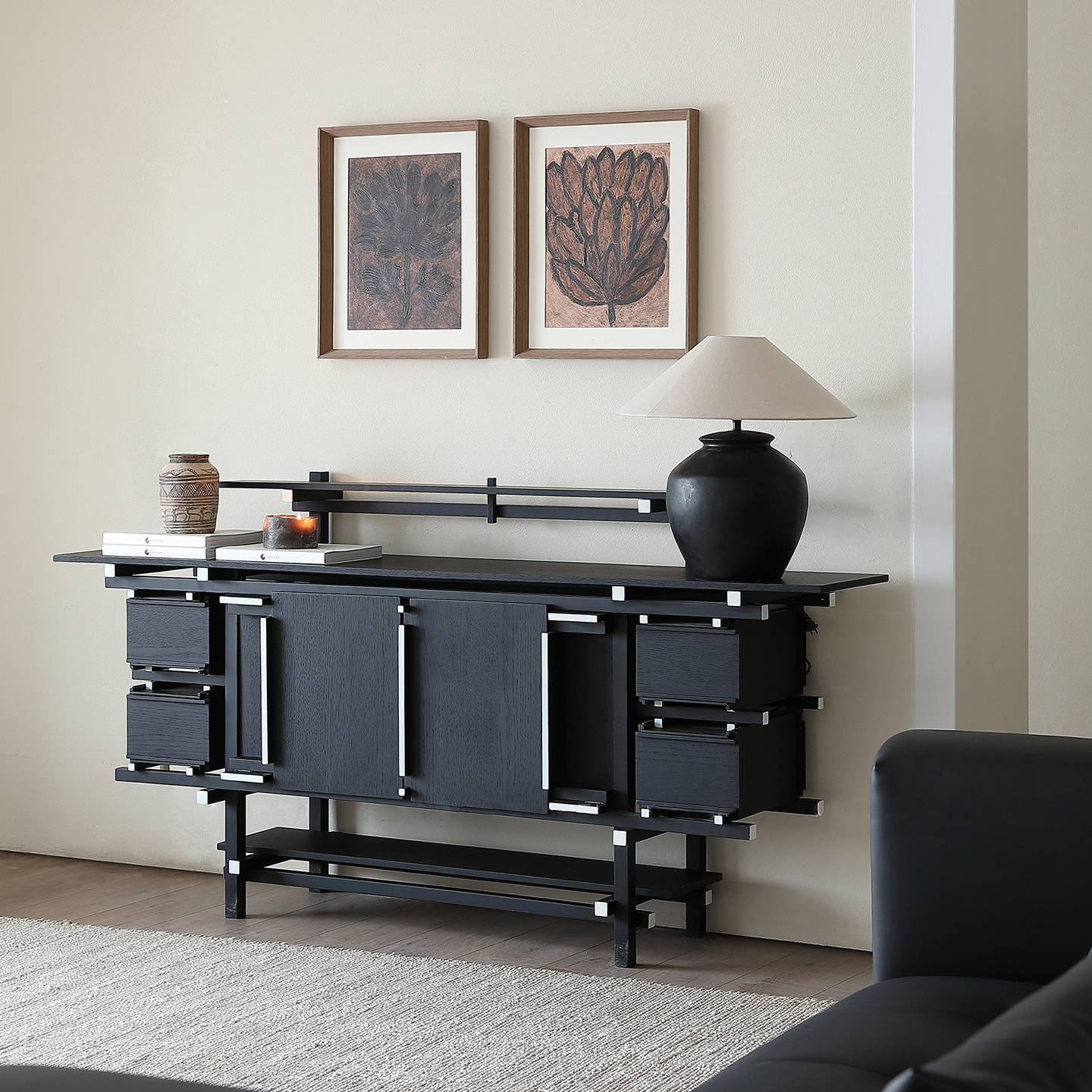
Cassina Elling Buffet: A Timeless Expression of Modern Design
Cassina Elling Buffet: A Timeless Expression of Modern Design
The Elling Buffet is more than a functional storage piece. Designed by Dutch architect and designer Gerrit Thomas Rietveld, this iconic sideboard represents an important chapter in modern furniture design. With its distinctive geometric structure, strong horizontal lines, and carefully balanced proportions, the Elling Buffet brings together architecture, craftsmanship, and functionality in one sculptural piece.
Originally designed in 1919, the Elling Buffet reflects Rietveld's pioneering approach to Neoplasticism, a movement closely associated with the De Stijl art and design movement. Today, a has brought this historic design back into production, allowing a new generation to experience Rietveld's influential furniture design.

A Brief History of Cassina
Founded in 1927 in Meda, Italy, Cassina began as a small artisan workshop established by brothers Cesare and Umberto Cassina. The company initially focused on traditional woodworking and furniture craftsmanship before gradually developing into one of Italy's most influential design furniture brands.
During the post-war period, Cassina played an important role in the development of modern Italian furniture by combining traditional craftsmanship with innovative design. The brand began collaborating with some of the most important architects and designers of the 20th century, including Le Corbusier, Pierre Jeanneret, Charlotte Perriand, Gio Ponti, and Gerrit Rietveld.
Cassina became particularly recognised for its ability to bring significant pieces of modern design into contemporary production. Its iMaestri Collection, launched in the 1970s, focuses on historically important designs and works closely with designers' archives and foundations to reproduce these pieces with respect for their original concepts.
This combination of Italian craftsmanship, design heritage, innovation, and architectural thinking has become a defining characteristic of Cassina furniture.
The History Behind the Elling Buffet
The story of the Elling Buffet begins in the Netherlands in 1919. Gerrit Rietveld designed the piece during an important period of experimentation with spatial composition and modern furniture. The original buffet was used in the model home designed by architect J.P. Oud in Spangen, Rotterdam, and was later associated with the interior of P.J. Elling's home. Unfortunately, the original piece was destroyed by fire.
In 1951, however, the Elling Buffet was reconstructed under Rietveld's supervision for an exhibition at the Stedelijk Museum in Amsterdam.
Cassina subsequently worked with Rietveld's heirs to bring the design into contemporary production. The piece is produced in Cassina's historic carpentry workshop in Meda, Italy, combining Rietveld's original design principles with Cassina's expertise in furniture craftsmanship.
A Distinctive Expression of Neoplasticism Design
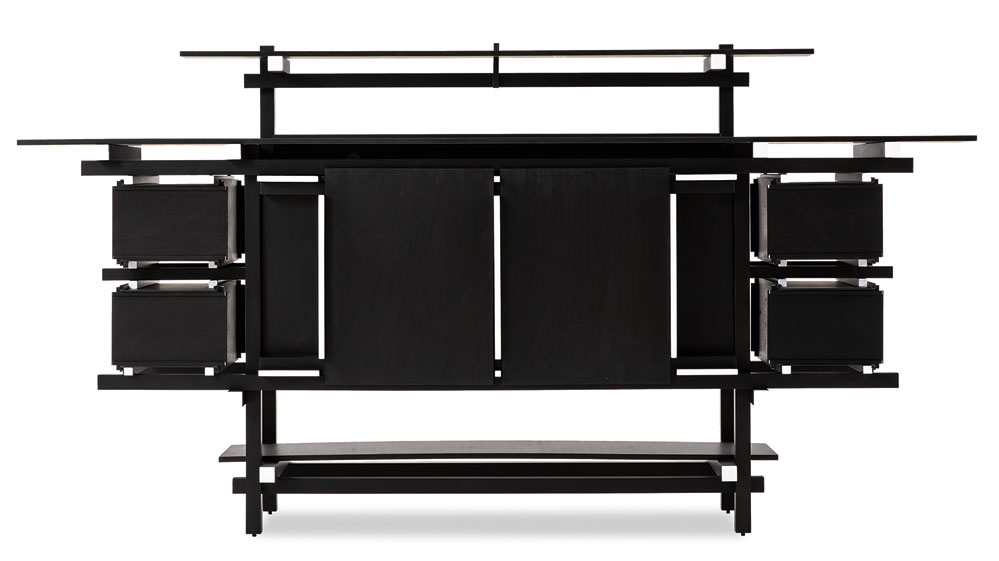
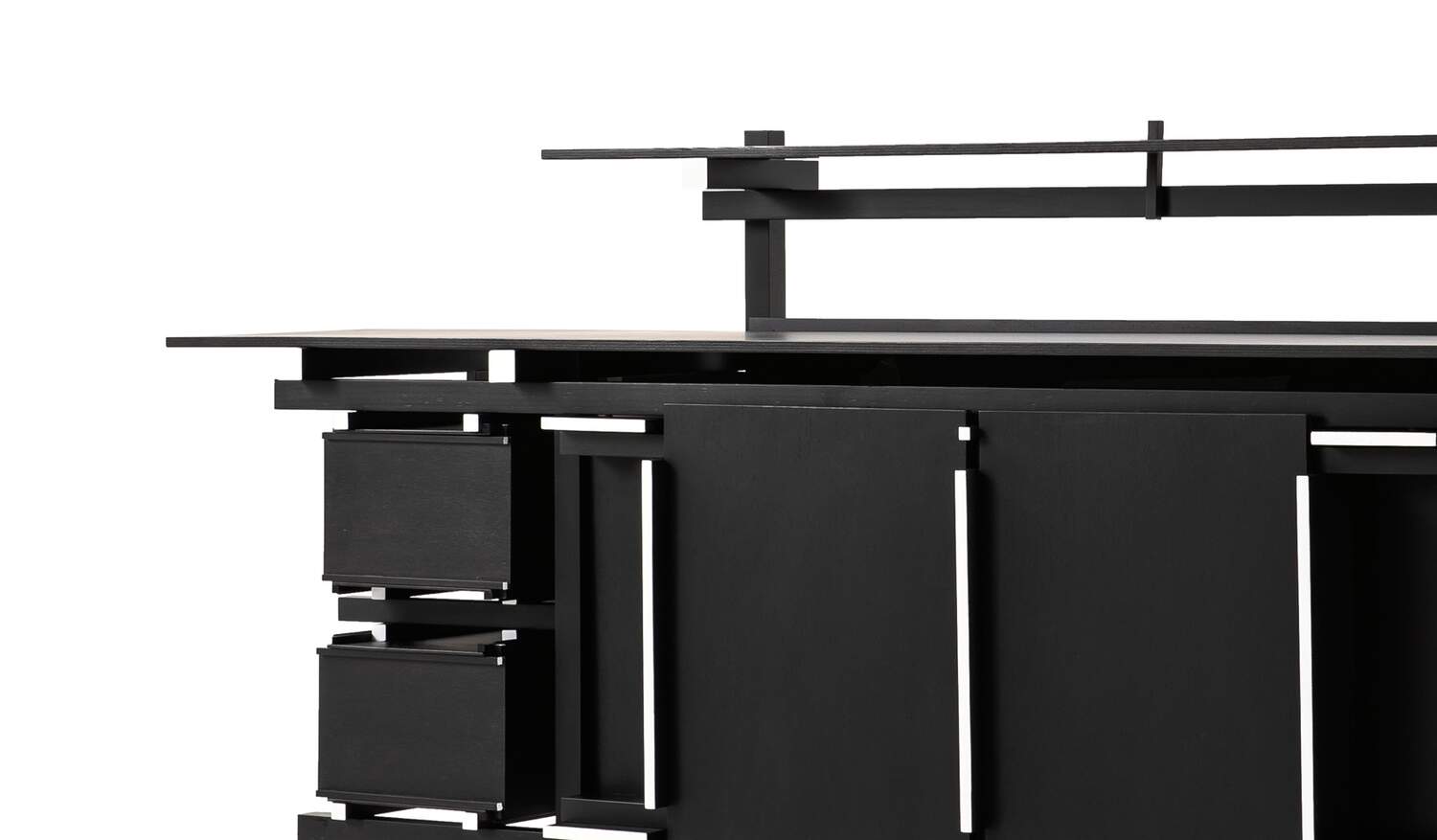
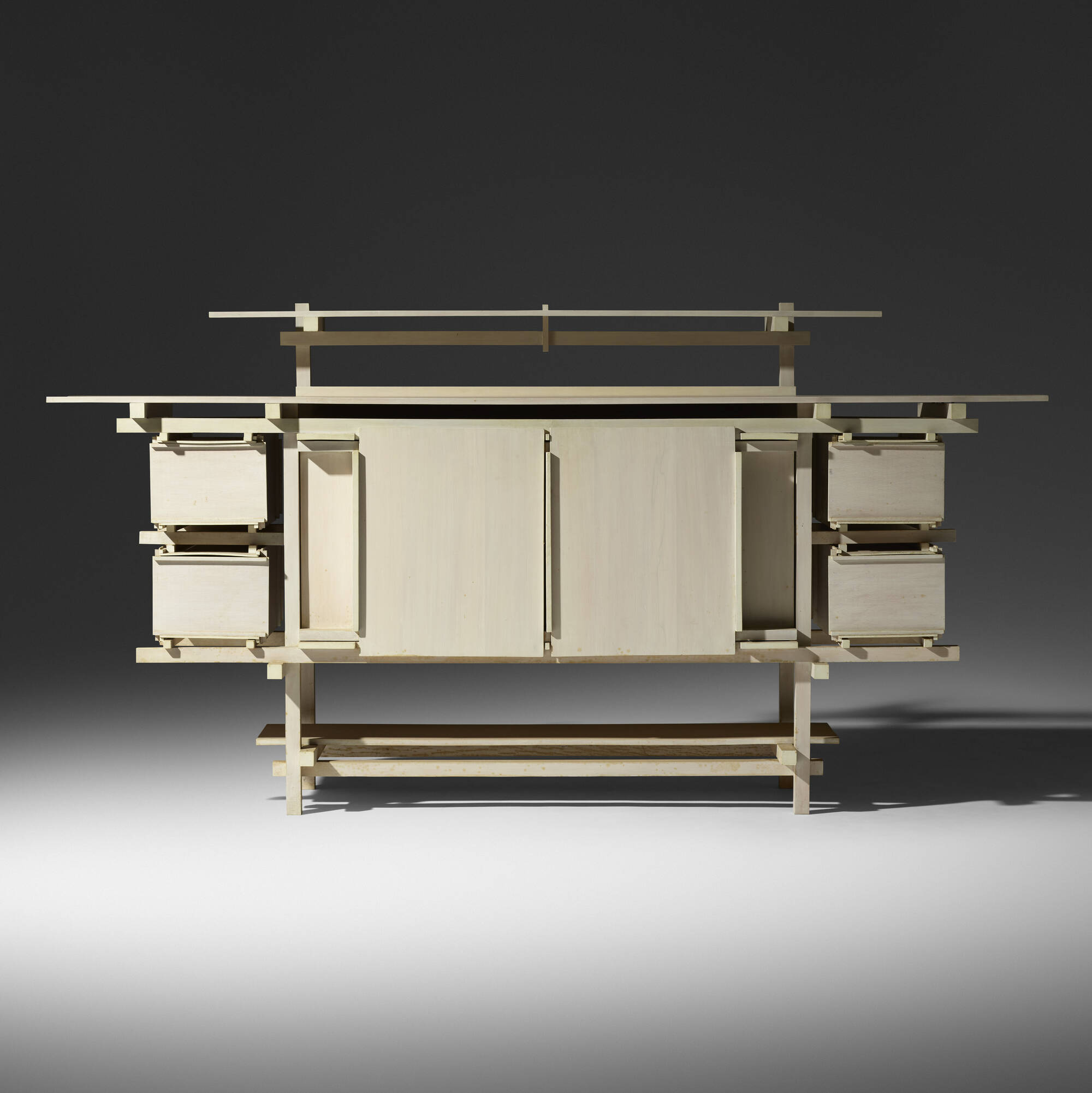
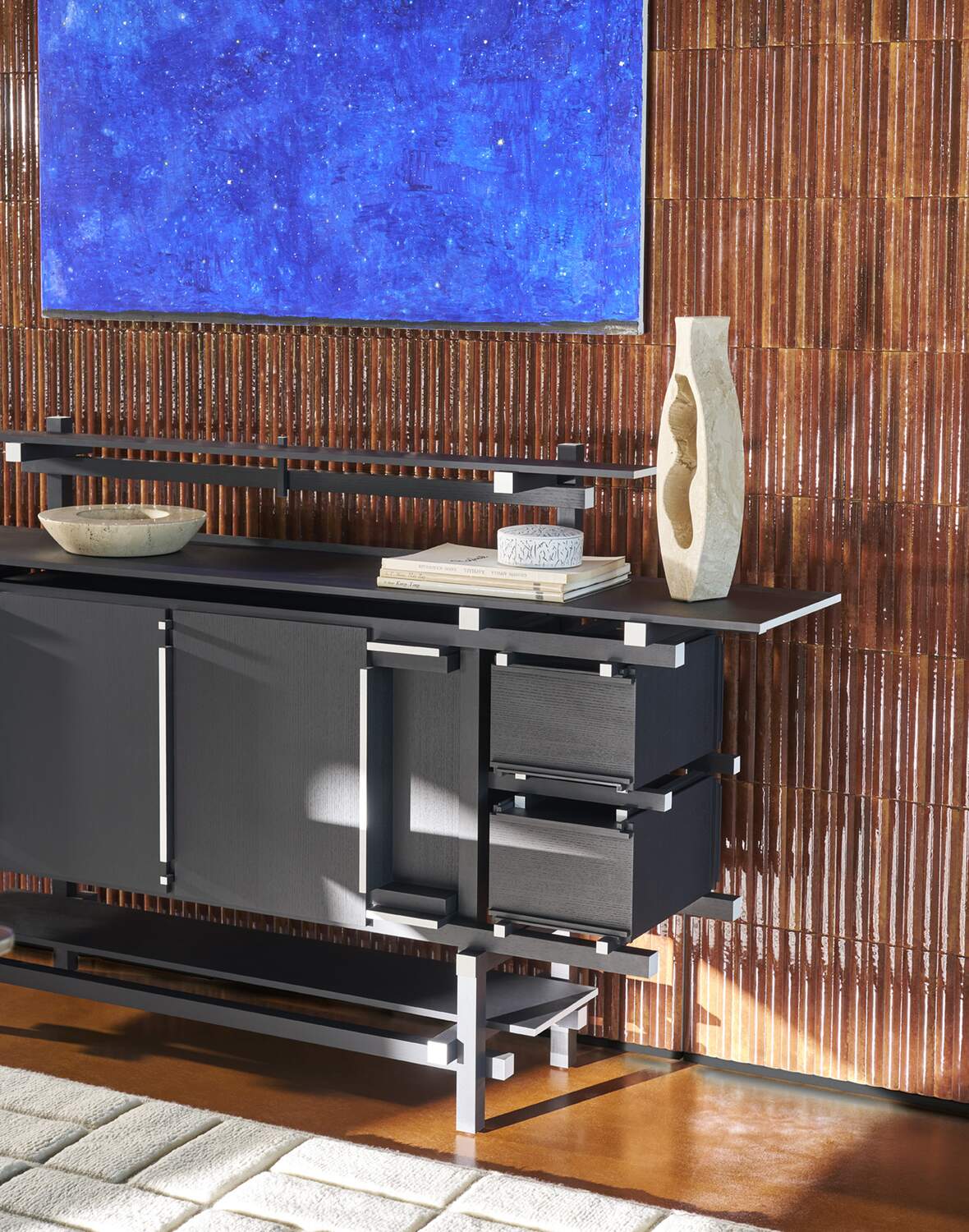
One of the most recognisable characteristics of the Elling Buffet is its strong geometric composition.
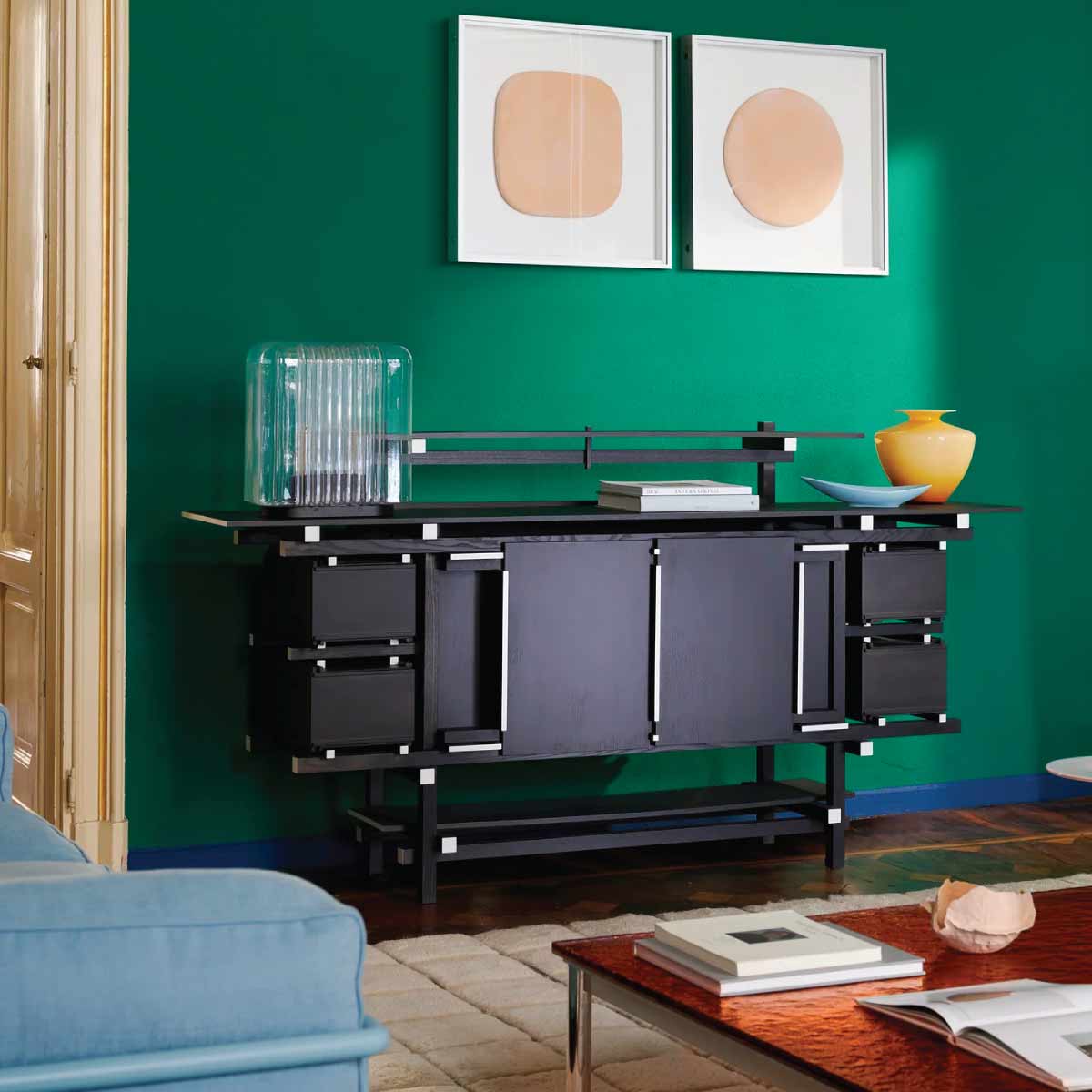
Rather than treating the sideboard as a simple enclosed storage cabinet, Rietveld approached it almost like an architectural structure. The frame creates a visual grid, while drawers, shelves, doors, and storage compartments are positioned within this framework.
The result is a piece that feels open, structured, and dynamic.
The design also reflects influences from Frank Lloyd Wright and Anglo-Japanese art, particularly through its emphasis on horizontal surfaces and contrasting vertical supports.
This architectural quality makes the Elling Buffet particularly interesting for contemporary interiors. It can function not only as furniture but also as a strong visual element within a room.
Craftsmanship and Materials
Although the design has a distinctly architectural appearance, the Elling Buffet is also a carefully crafted piece of furniture.
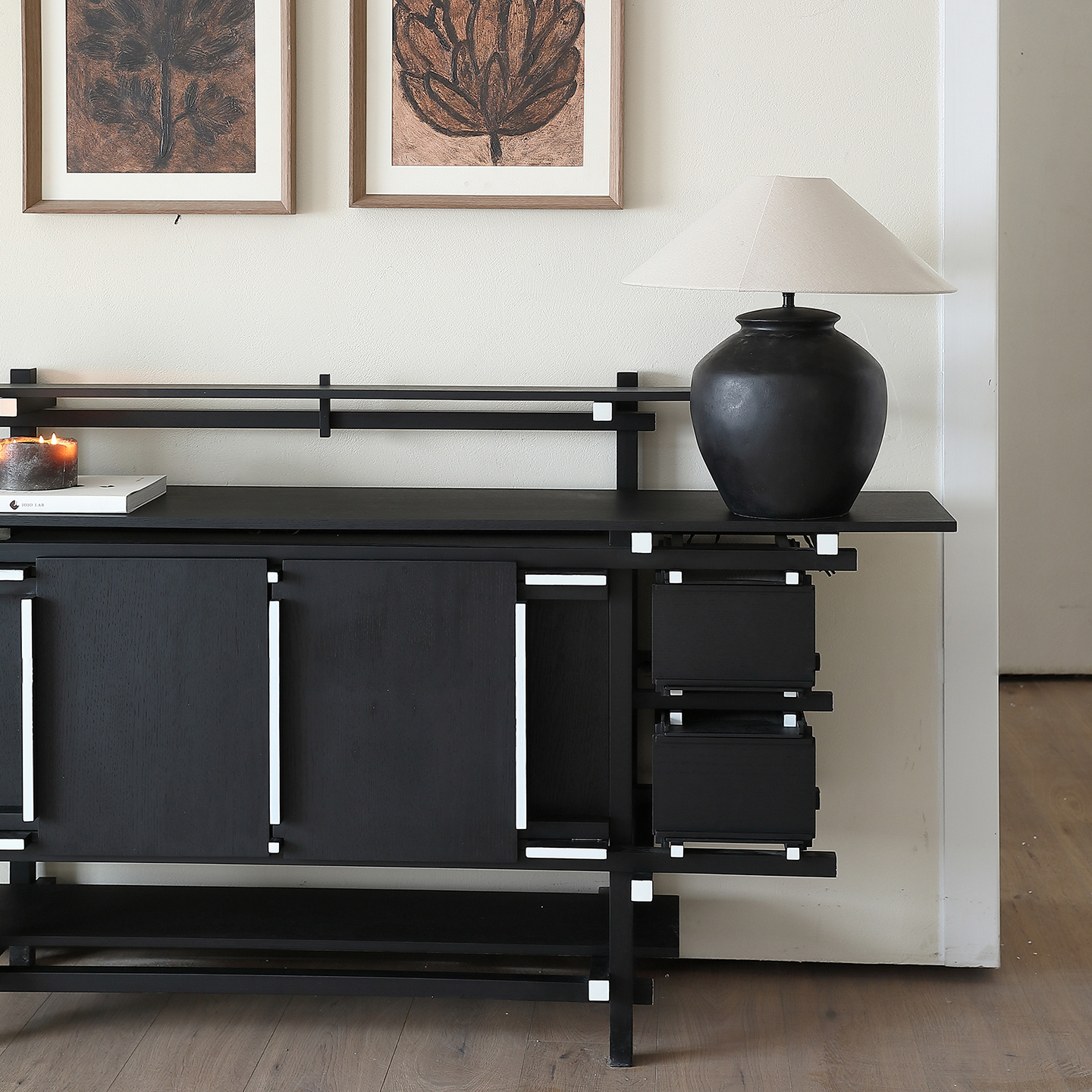
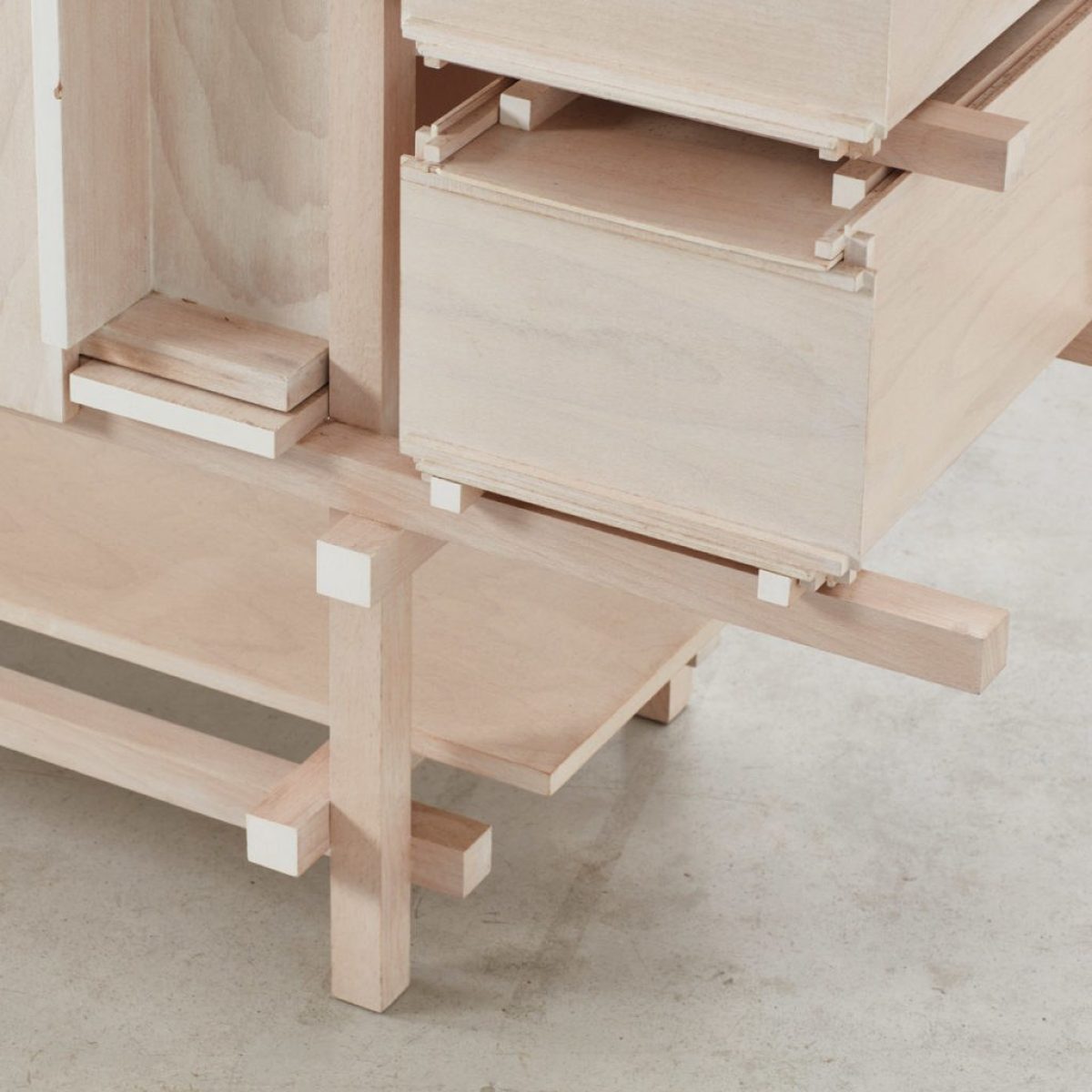
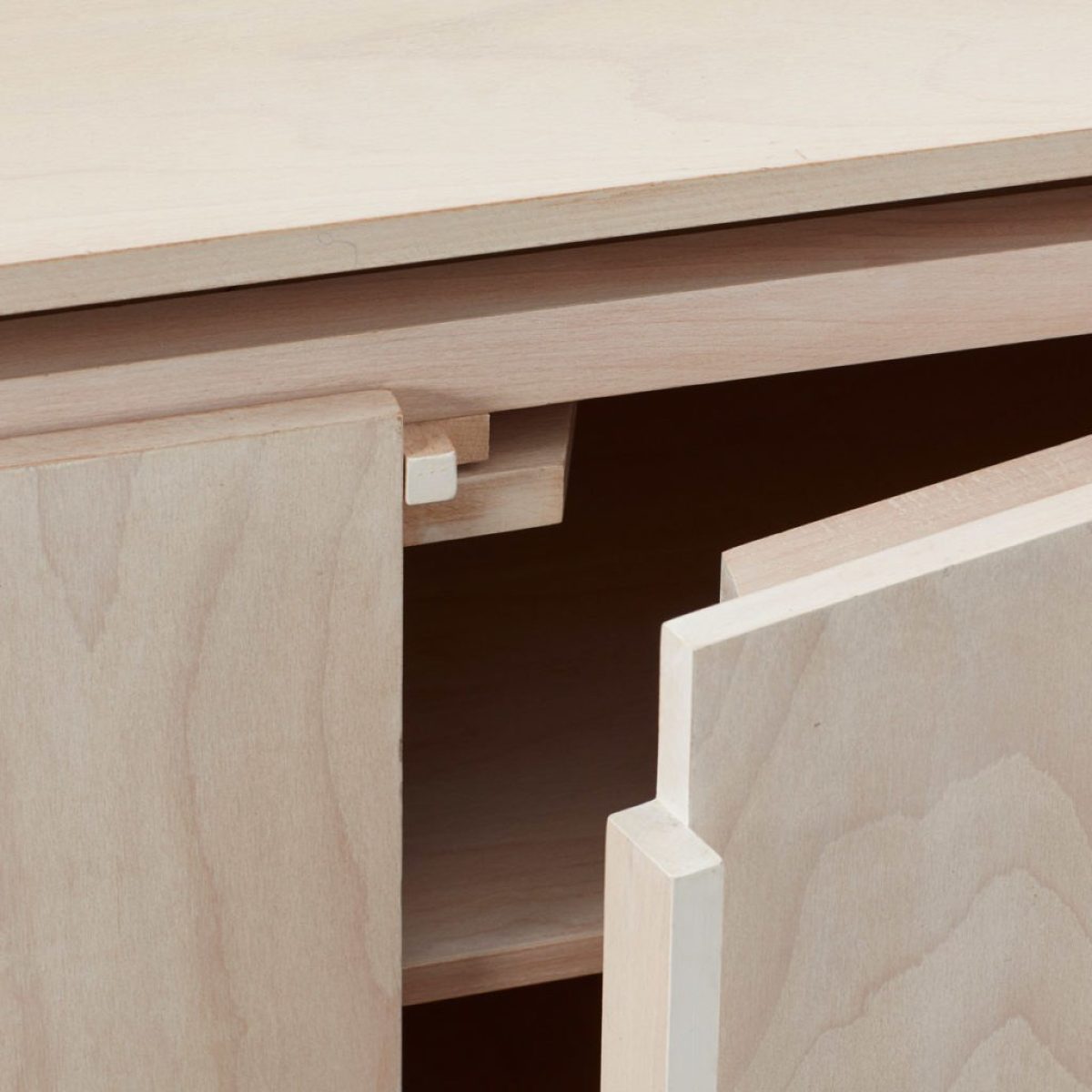
Its structure combines solid ash with beech plywood veneered in ash. Decorative slats are made from solid wood, while the base incorporates black plastic glides. The sideboard is assembled using traditional woodworking techniques, including joints and wooden pins.
The combination of natural wood and geometric construction gives the piece a warm yet highly structured character.
This balance between craftsmanship and modernist geometry is one of the qualities that allows the design to remain relevant more than a century after its original conception.
Why the Elling Buffet Still Feels Contemporary
Despite being designed more than a century ago, the Elling Buffet does not feel outdated. Its appeal comes from the simplicity of its visual language. Instead of relying on decorative trends, Rietveld focused on proportion, structure, material, and spatial relationships.
This makes the piece particularly suitable for modern luxury interiors. Its clean geometry can complement minimalist spaces, contemporary dining rooms, sophisticated living areas, and carefully curated residential interiors. For designers who appreciate timeless furniture design, the Elling Buffet demonstrates how a well-resolved design can remain relevant across different generations and interior styles.
A Statement Piece for Contemporary Interiors
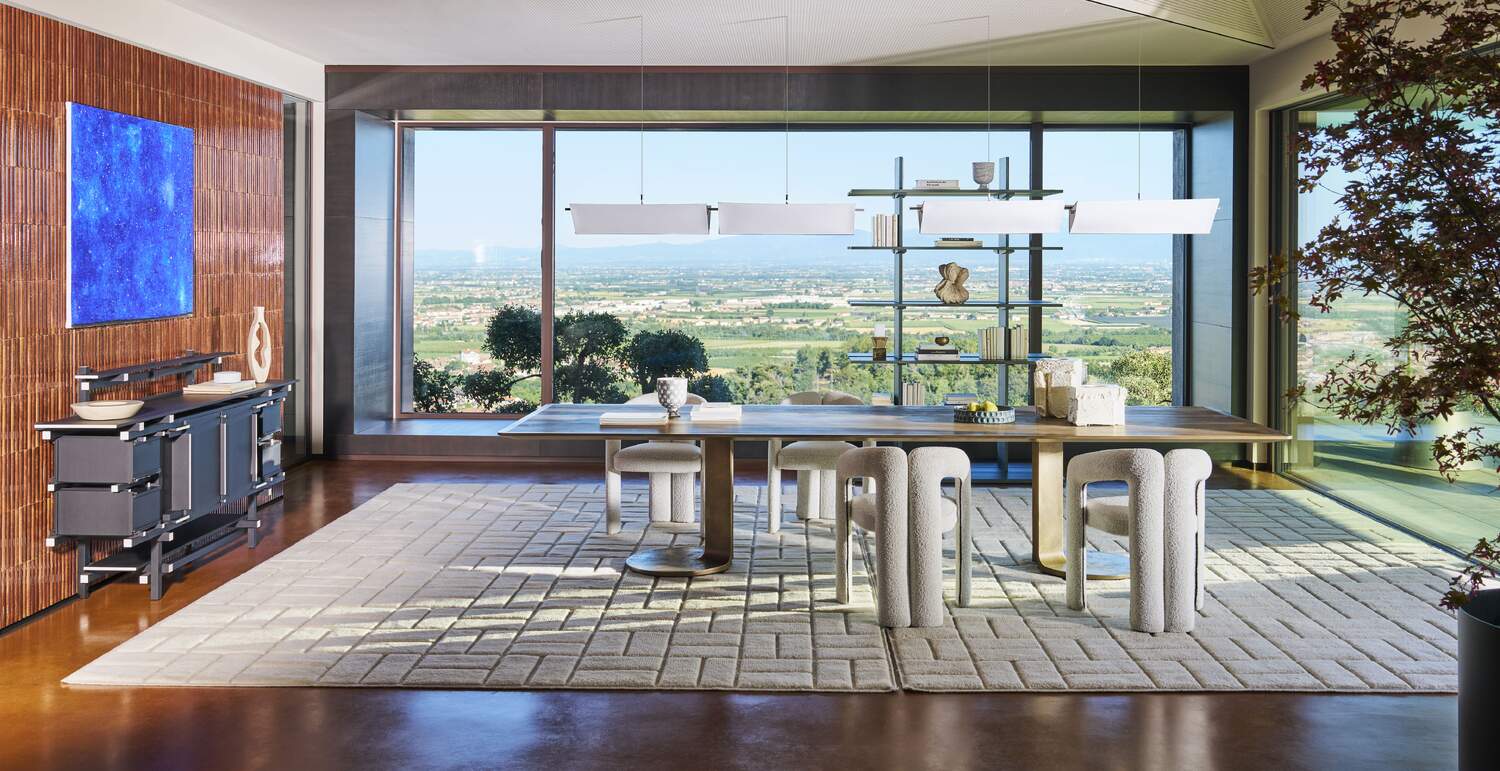
In a dining room, the Elling Buffet can provide practical storage while establishing a strong focal point. Its long horizontal composition works particularly well against a clean architectural wall, allowing the geometric framework to become part of the overall interior composition.
In a living room, it can be used as a sophisticated storage unit for books, tableware, decorative objects, or collectibles. Its sculptural quality also means that it does not need to be heavily styled to make an impact.
For an interior designer, the Elling Buffet offers another advantage: it can bridge the gap between furniture and architecture. Its framework creates a sense of structure within the room, making it more than simply a functional cabinet.
Where Design Heritage Meets Contemporary Living
The Elling Buffet represents the philosophy that has made Cassina an important name in international furniture design.
From its origins as an Italian woodworking workshop to its collaborations with some of the world's most influential architects and designers, Cassina has consistently explored the relationship between craftsmanship, technology, architecture, and everyday living.
The Elling Buffet is a strong example of this approach. A design created in 1919 can still be produced and appreciated today because its underlying principles—balance, proportion, functionality, and architectural clarity—remain relevant.
The Beauty of Timeless Furniture Design
Good furniture design is not simply about appearance. It is about how a piece interacts with its surroundings, how it functions, and how it continues to feel relevant over time.
The Elling Buffet embodies this philosophy. Its architectural structure creates visual rhythm, while its storage function gives it everyday practicality. The natural wood construction introduces warmth, balancing the strong geometric lines.
For contemporary residential projects, this combination makes the Elling Buffet an excellent example of Italian luxury furniture that celebrates both historical design and modern craftsmanship.
Final Thoughts
The Elling Buffet is a remarkable example of how furniture can become part of architectural thinking. Originally designed by Gerrit Rietveld in 1919, its geometric structure, refined craftsmanship, and connection to Neoplasticism continue to make it relevant in contemporary interior design.
At the same time, the history of Cassina furniture adds another layer to the piece. With nearly a century of Italian furniture-making heritage and a long history of collaborating with influential architects and designers, Cassina has helped preserve and reinterpret some of the most important works in modern design.
Rather than following short-lived trends, the Elling Buffet demonstrates the lasting value of strong proportions, thoughtful materials, and purposeful design.
For those looking to create a sophisticated and timeless interior, the Elling Buffet is not simply a storage solution—it is a piece of design history that brings architectural character, Italian craftsmanship, and enduring elegance into the contemporary home.
Explore more story regarding Elling Buffet here: Elling Buffet-sideboardby Gerrit Thomas Rietveld | Cassina
↵Back to Design