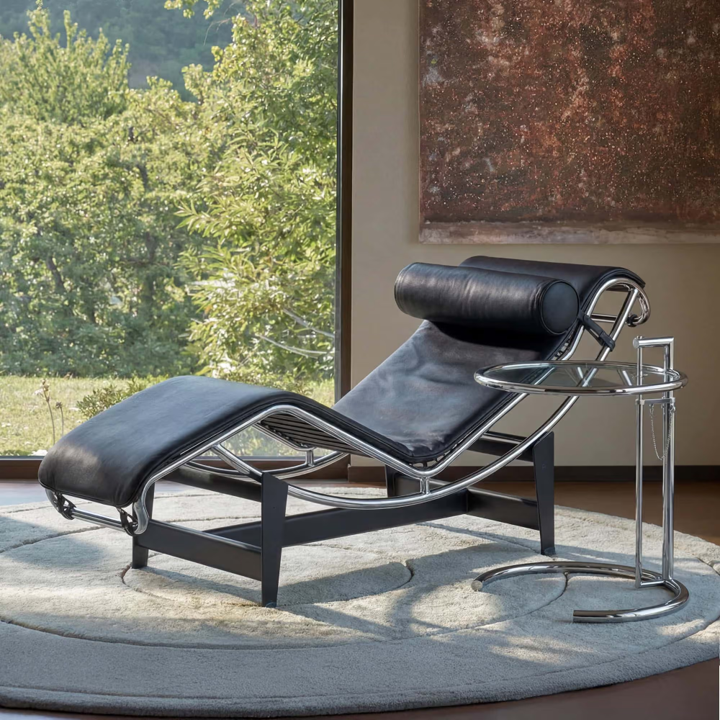
LC4 Chair: The Timeless Icon of Modern Furniture Design
LC4 Chair: The Timeless Icon of Modern Furniture Design
Few pieces of furniture have achieved the iconic status of the LC4 Chair. More accurately known as the Chaise longue à réglage continu, the LC4 is celebrated for its distinctive silhouette, ergonomic form and timeless modernist aesthetic.
Designed by Le Corbusier, Pierre Jeanneret and Charlotte Perriand, the LC4 has become one of the most recognisable pieces of 20th-century furniture design. Nearly a century after its original creation, it continues to inspire interior designers and design enthusiasts around the world.
A Brief History of Cassina
Founded in 1927 in Meda, Italy, began as a company specialising in high-quality wood furniture. Over the decades, the brand evolved from traditional craftsmanship into one of Italy's most influential furniture design companies.
A major turning point came in the 1950s and 1960s, when Cassina began collaborating with some of the world's most important architects and designers. This approach helped establish the brand as a pioneer of Italian modern furniture, combining advanced industrial production with traditional craftsmanship.
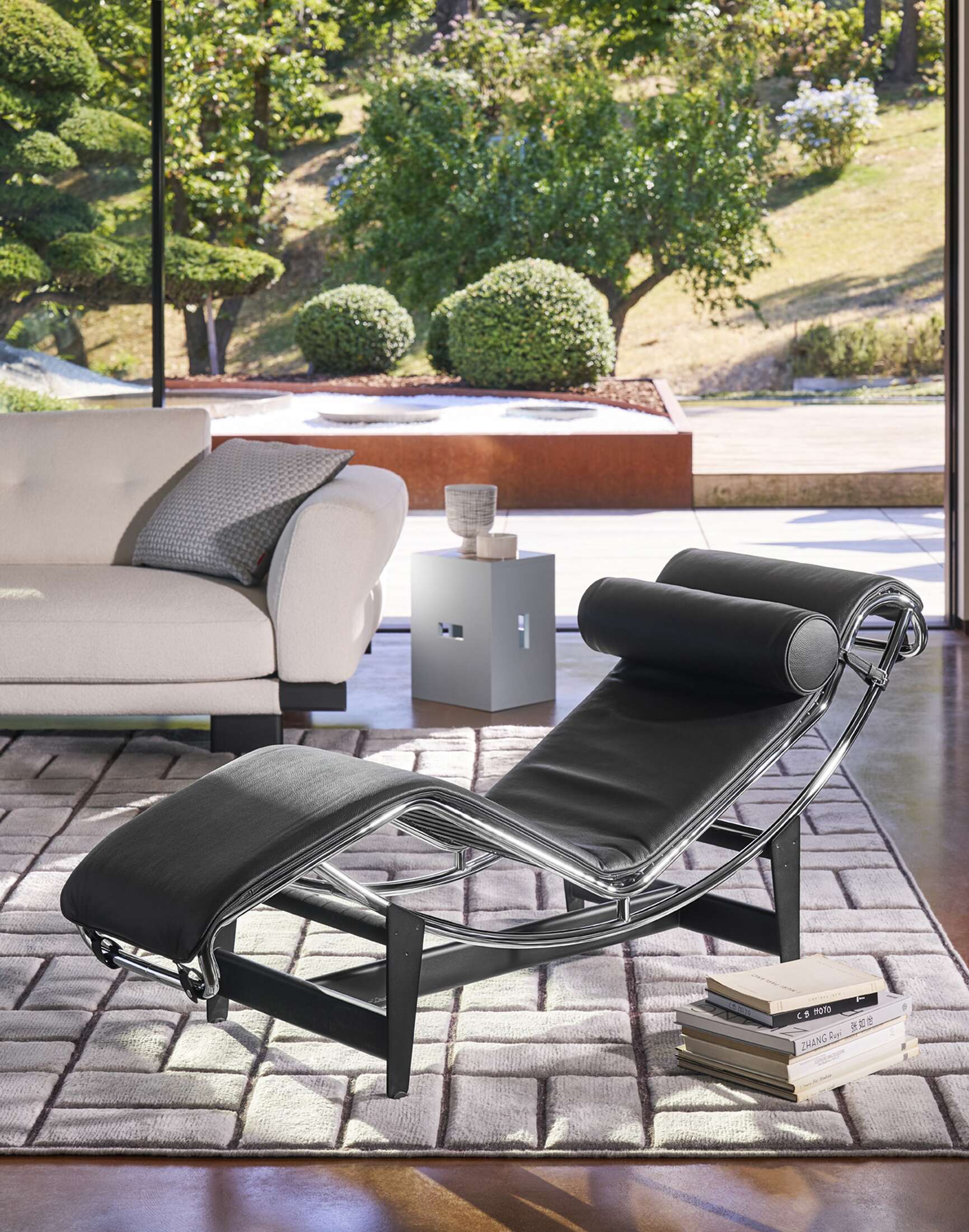
In 1965, Cassina began producing the LC4 chaise longue, bringing the iconic design by Le Corbusier, Pierre Jeanneret and Charlotte Perriand into wider production. The LC4 subsequently became one of Cassina's signature designs and an important milestone in the history of modern furniture.
Today, Cassina is recognised internationally for its collection of iconic furniture, its collaborations with leading designers and its commitment to Italian design culture.
The History Behind the LC4 Chair
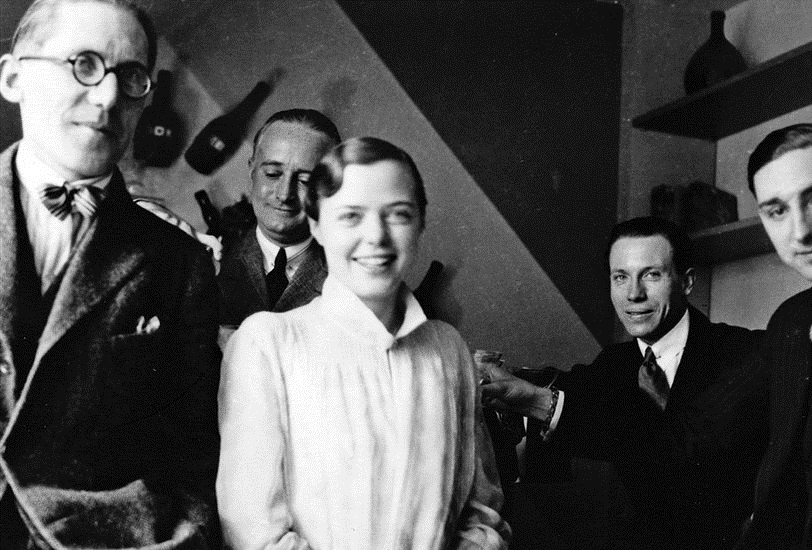
The story of the LC4 Chair began in 1928, when Le Corbusier, Pierre Jeanneret and Charlotte Perriand developed the chaise longue as part of their exploration of furniture, comfort and the relationship between the human body and its surroundings.
The design was presented at the Paris Salon d'Automne in 1929, where its unconventional form attracted attention. Rather than creating a conventional armchair, the designers explored the idea of furniture as a functional object designed specifically around the human body.
This approach resulted in a chaise longue that could support the body in different reclining positions. Its combination of ergonomics, geometry and simplicity became a defining characteristic of the design.
The LC4 is sometimes described as a “machine for rest”, reflecting the designers' belief that furniture should respond naturally to the user's needs.
The Designers Behind the LC4
The LC4 was created through the collaboration of three influential figures in modern architecture and design.
Le Corbusier was one of the most influential architects of the 20th century and was known for his belief that architecture and furniture should work together as part of a complete environment.
Pierre Jeanneret, Le Corbusier's cousin and long-time collaborator, contributed significantly to their architectural and furniture projects.
Charlotte Perriand brought a strong focus on ergonomics, materials and everyday human experience to the collaboration. Her understanding of how people interact with furniture played an important role in shaping the LC4.
Together, their work transformed the concept of the traditional chaise longue into something more architectural, functional and visually striking.
A Perfect Balance Between Form and Function
One of the most remarkable qualities of the LC4 Chair is its ability to combine visual simplicity with practical comfort.
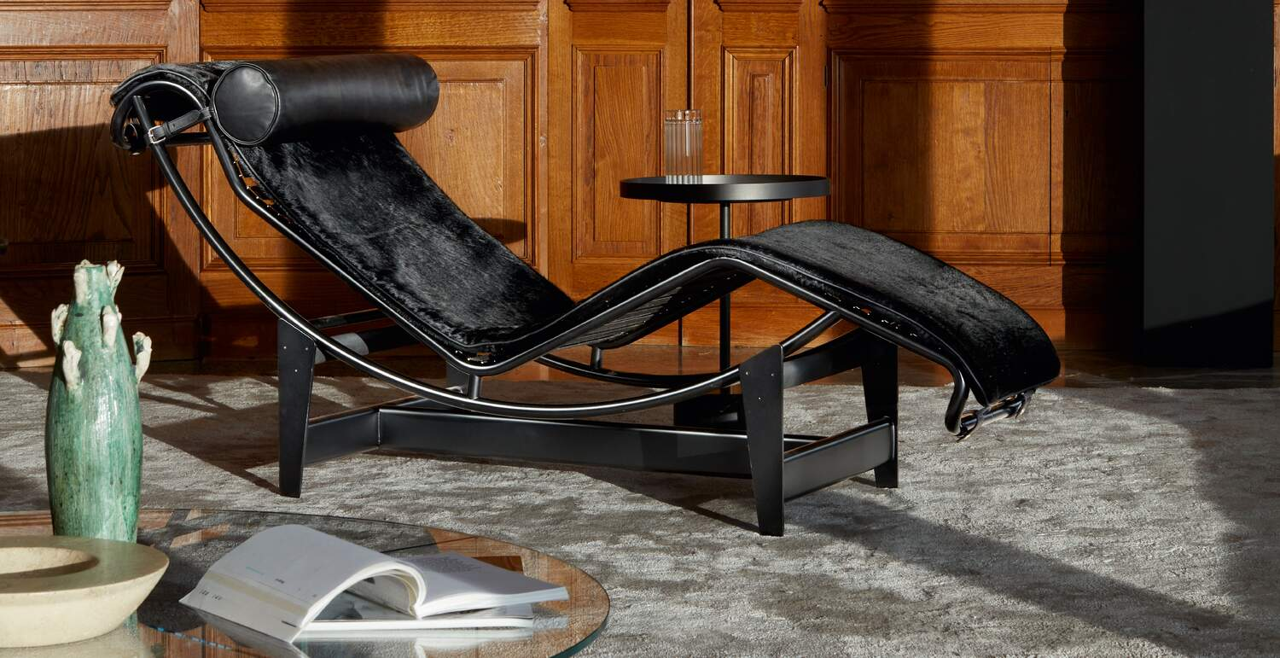
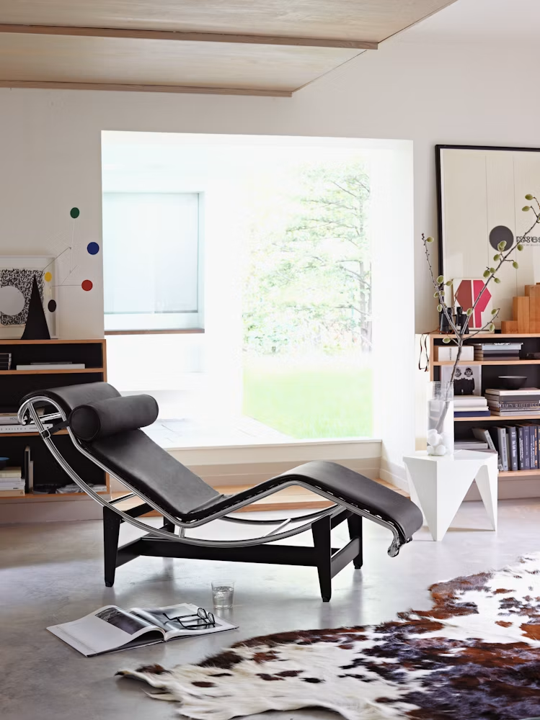
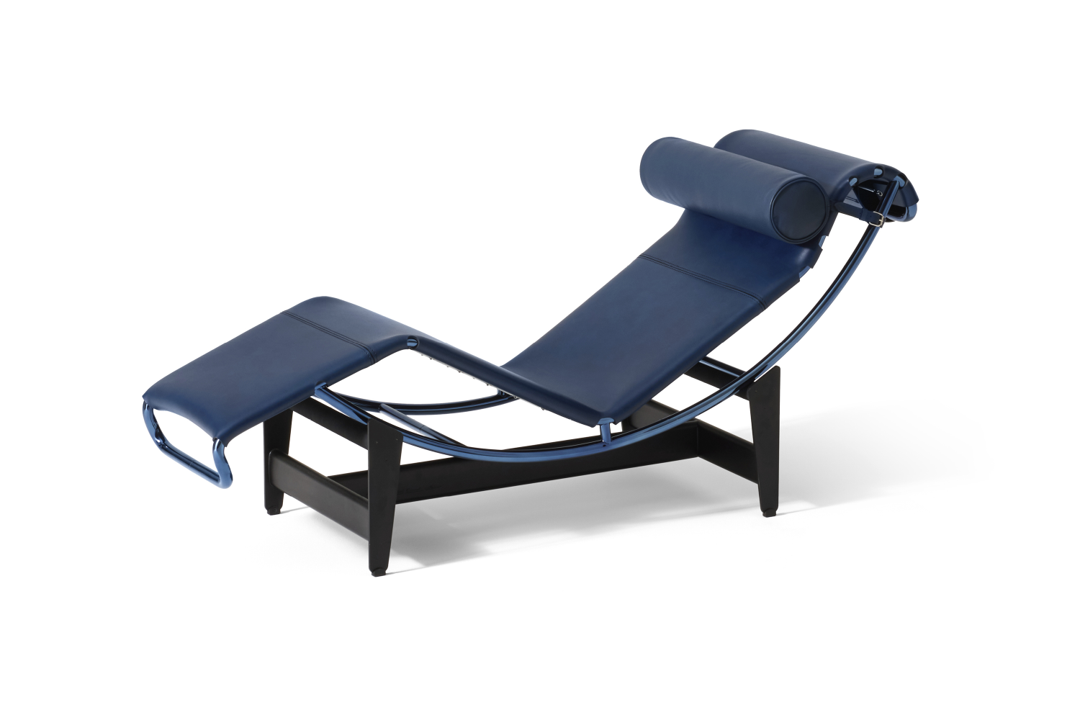
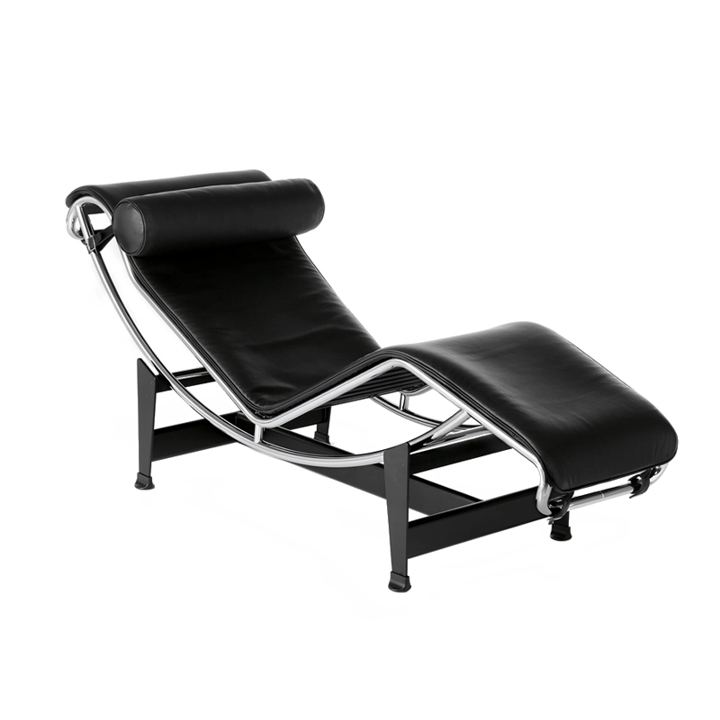
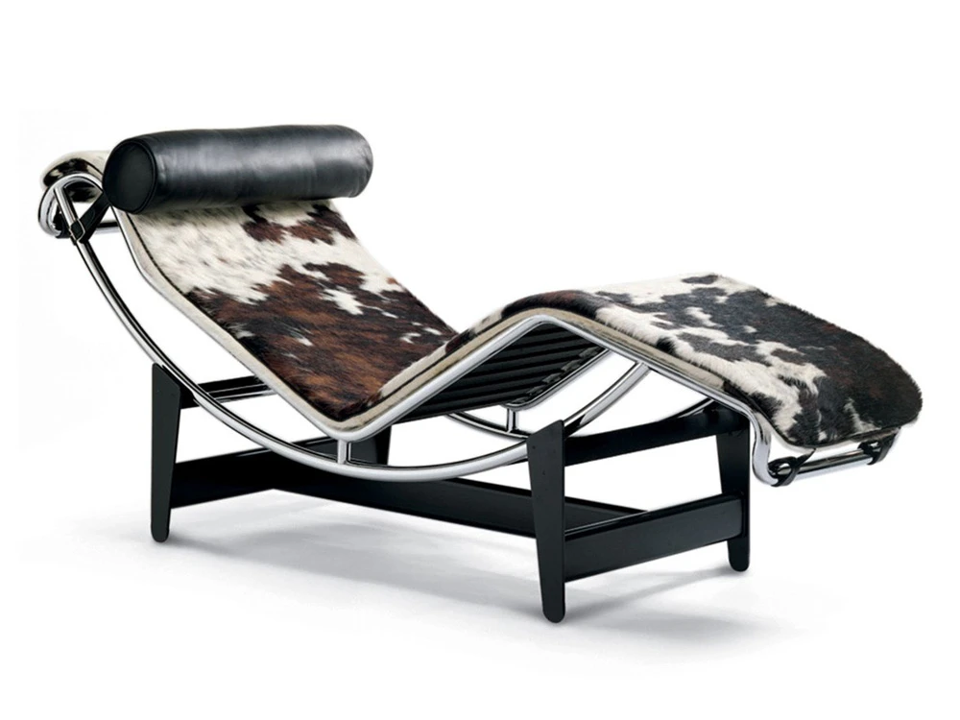
The design consists of a curved upholstered mattress supported by a tubular steel frame and a separate base. The sleek metal structure contrasts beautifully with the soft, curved cushion, giving the chair a sculptural appearance.
The reclining structure allows users to adjust the chaise to different positions. This simple yet clever mechanism demonstrates the modernist principle that form should follow function.
There are no unnecessary decorative elements. Every curve, material and structural component contributes to the overall experience.
Why Is the LC4 Still Relevant Today?
Almost a century after its original creation, the LC4 remains remarkably contemporary.
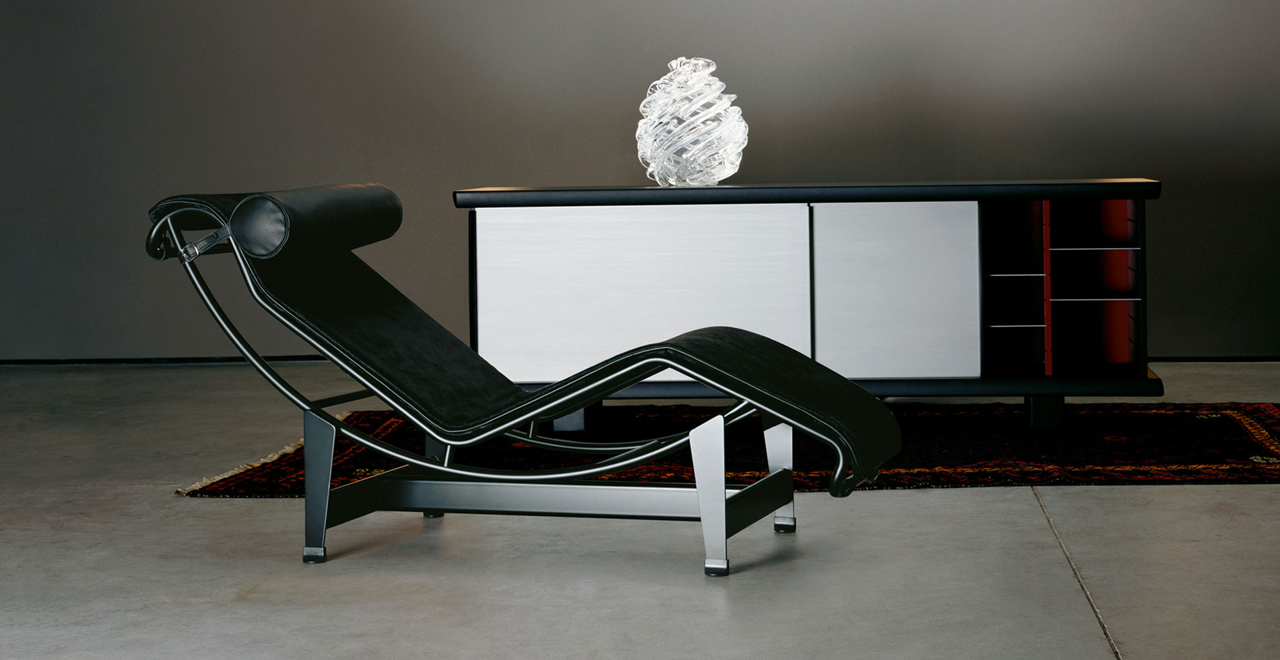
Its timeless appearance allows it to work within many different interior styles. In a minimalist interior, it can become a sculptural focal point. In a contemporary living room, it introduces a strong architectural element. In a luxury residence, leather upholstery and polished metal can create an elegant and sophisticated atmosphere.
The design does not depend on temporary trends. Instead, it is based on proportion, geometry, materials and ergonomics—principles that remain relevant regardless of changing interior styles.
This is one of the reasons why the LC4 Chair continues to be regarded as an icon of modern furniture design.
Materials and Craftsmanship
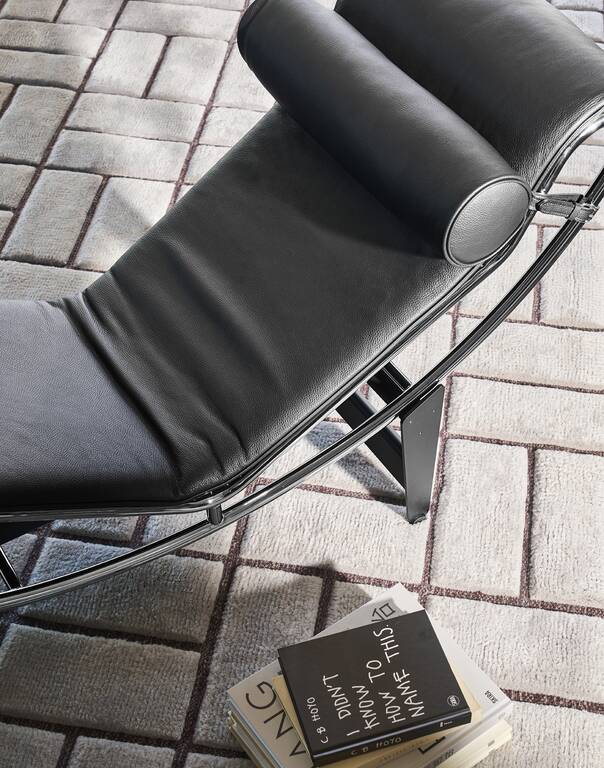
The LC4's combination of metal, leather and upholstery creates a distinctive balance between industrial structure and luxurious comfort.
Its tubular steel frame provides the clean architectural appearance associated with modernist design, while the padded mattress and headrest introduce softness and comfort.
Cassina has also developed contemporary versions of the LC4 with updated materials and a stronger focus on sustainability, demonstrating how an iconic design can evolve while preserving its original character.
The attention to construction and material selection reflects Cassina's broader philosophy of combining Italian craftsmanship, technological innovation and timeless design.
How to Style the LC4 Chair in an Interior
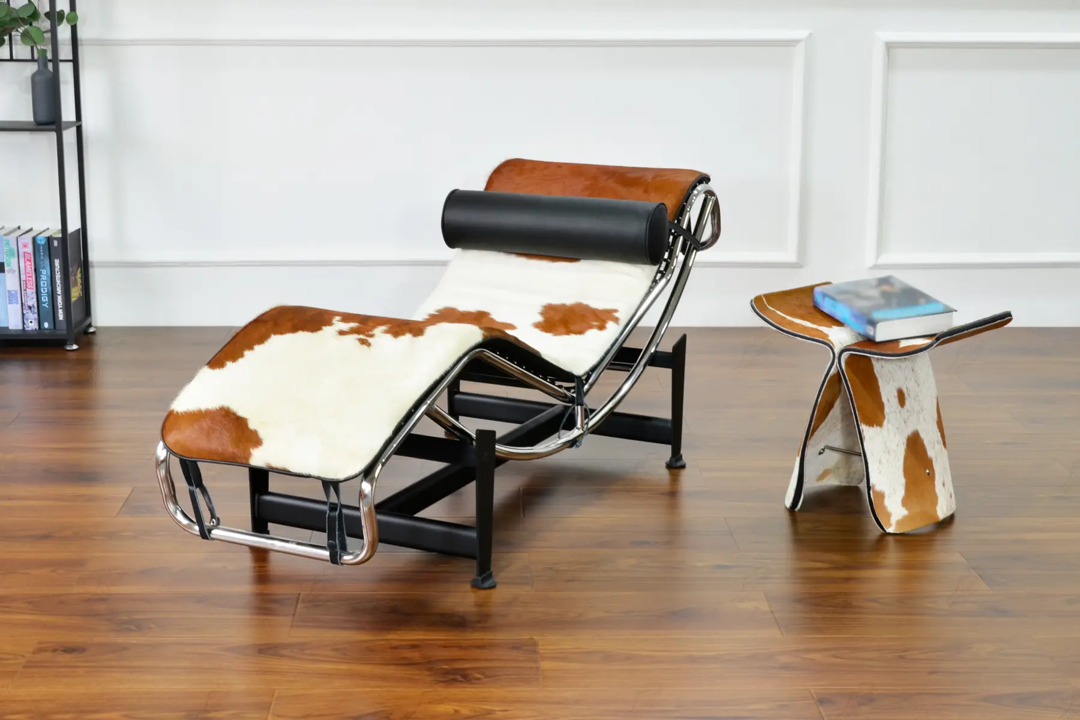
Because of its strong visual identity, the LC4 works best when it has enough space to stand out.
For a minimalist interior, pair the chair with neutral colours, natural timber, clean architectural lines and minimal accessories. The LC4 can act as a sculptural centrepiece without making the room feel crowded.
For a luxury interior, leather upholstery can be paired with marble, timber, textured fabrics and sophisticated lighting. This creates a refined environment while allowing the chair to remain the visual focal point.
For a modern living space, place the LC4 next to a side table, floor lamp or low-profile coffee table to create a dedicated reading and relaxation area.
The key is balance. Because the LC4 is already an iconic statement piece, surrounding it with too many decorative elements can reduce its visual impact.
The LC4: More Than Just a Chair
Although commonly referred to as the LC4 Chair, the design is technically a chaise longue. Its purpose goes beyond simply providing a place to sit—it creates a dedicated space for relaxation.
The LC4 demonstrates how furniture can combine architecture, ergonomics, craftsmanship and aesthetics in a single object.
Its curved form follows the body, its adjustable structure responds to different positions, and its minimalist construction gives it a timeless visual quality.
A Modern Classic That Transcends Time
The enduring appeal of the LC4 Chair lies in its ability to remain relevant across generations.
From its origins in the creative collaboration between Le Corbusier, Pierre Jeanneret and Charlotte Perriand in the late 1920s to Cassina's production of the design from 1965 onwards, the LC4 has become a landmark in the history of modern furniture.
It represents more than a famous piece of furniture. It represents a design philosophy—one where function, comfort, materials and beauty work together.
For homeowners, architects and interior designers looking for an iconic statement piece, the LC4 remains an exceptional choice. Its sculptural silhouette, ergonomic design and rich history make it a timeless addition to both contemporary and classic interiors.
After almost 100 years, the LC4 continues to prove that great design does not simply follow trends—it defines them.
Explore more story regarding LC4 Chair here: 4 Chaise longue à réglage continu, durable armchair | Le Corbusier, Pierre Jeanneret, Charlotte Perriand
↵Back to Design