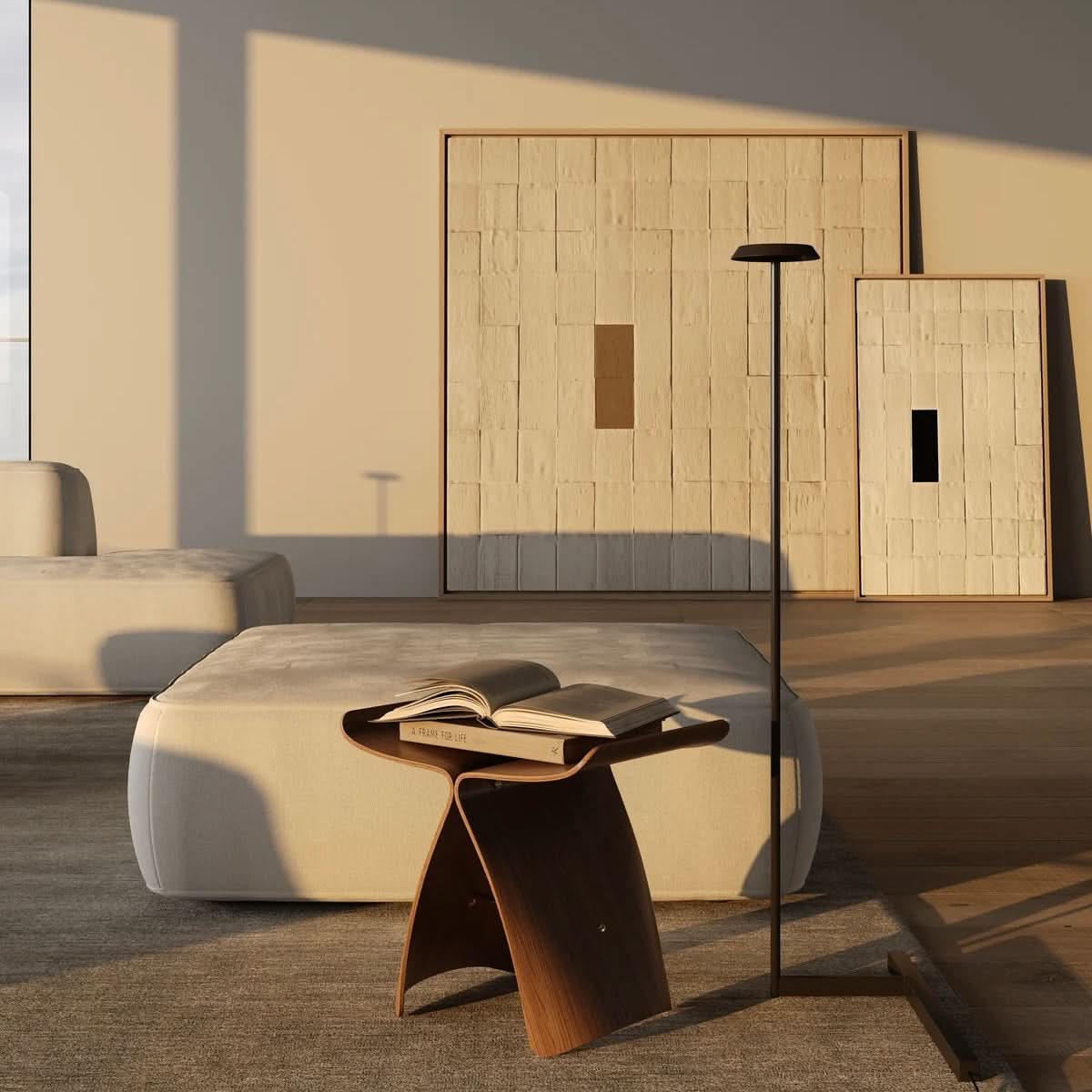
The Butterfly Stool: A Timeless Masterpiece of Minimalist Design
The Butterfly Stool: A Timeless Masterpiece of Minimalist Design
In the world of furniture design, some pieces become more than functional objects—they become icons. The Butterfly Stool is one such example. Designed by renowned Japanese designer Sori Yanagi, this distinctive stool combines elegant curves, simplicity and innovative craftsmanship to create a piece that has remained relevant for generations.
For homeowners, architects and interior designers looking for inspiration in Johor Bahru, iconic furniture such as the Butterfly Stool can also provide an interesting reference for creating refined residential and commercial interiors. Whether the project involves architecture design in Johor Bahru, office interior design in Johor Bahru, or a residential renovation, timeless furniture can play an important role in defining the character of a space.
With its sculptural silhouette and minimalist character, the Butterfly Stool represents the beauty of understated design. It demonstrates how thoughtful proportions, natural materials and innovative manufacturing can create furniture that remains relevant across different interior styles.
A Brief History of Vitra
Vitra is a Swiss family-owned furniture company recognised internationally for its contribution to modern furniture design. The company's history dates back to 1937, when Willi Fehlbaum took over a shopfitting company in Basel. In 1950, the company established a manufacturing facility in Weil am Rhein, Germany, and adopted the name Vitra.
Vitra became closely associated with influential modern designers, particularly after beginning licensed production of furniture by Charles and Ray Eames in the 1950s. Over the years, Vitra has continued to work with leading designers and architects, developing furniture collections recognised for their design heritage, functionality and innovation.
Today, Vitra is one of the recognised names in modern furniture design, with its products used in homes, offices, hospitality environments, museums and design-focused spaces around the world.
Who Designed the Butterfly Stool?
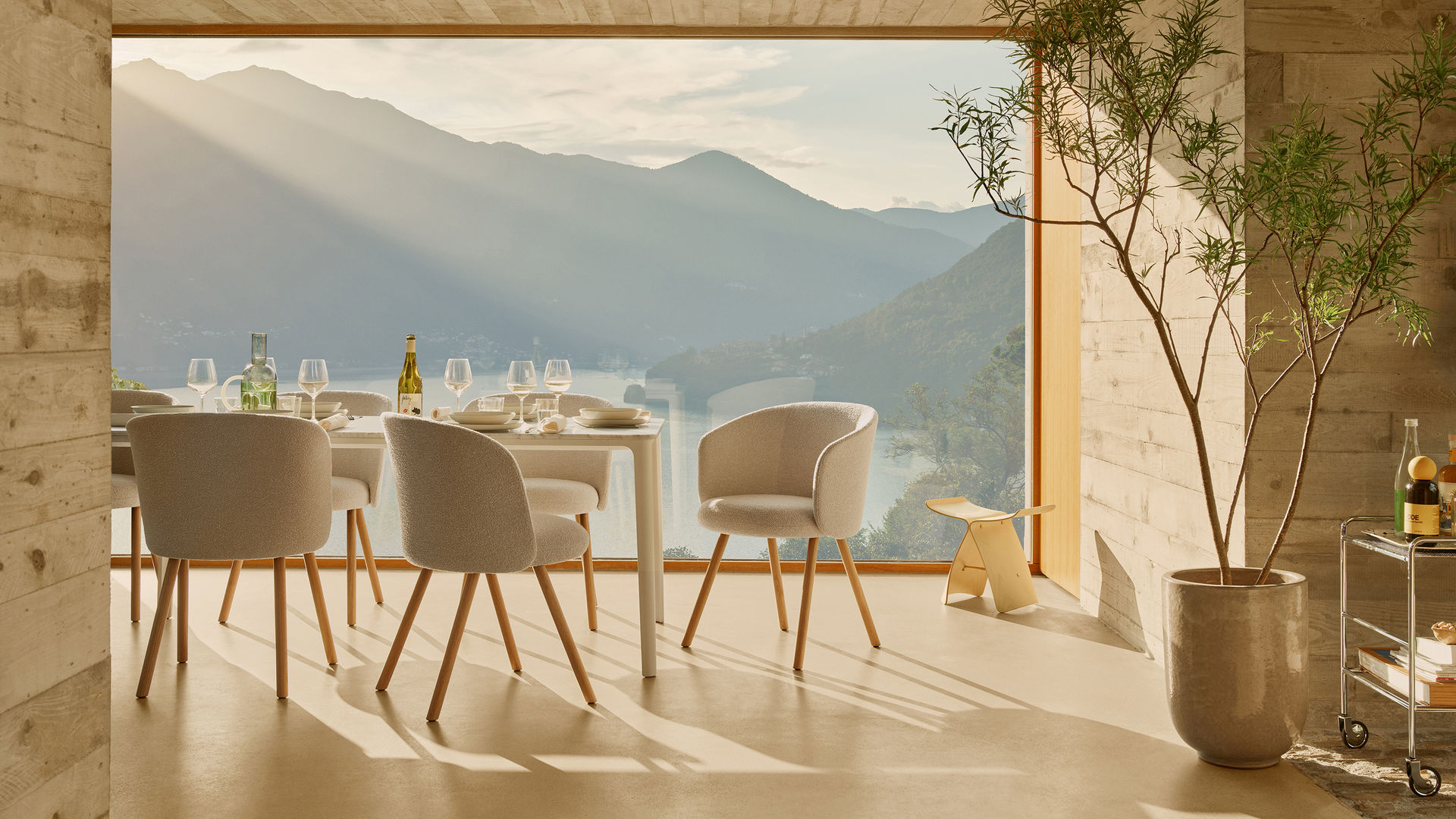
The Butterfly Stool was designed by Japanese designer Sori Yanagi in 1956. Yanagi was one of Japan's influential post-war designers and was known for combining traditional Japanese aesthetics with modern industrial design.
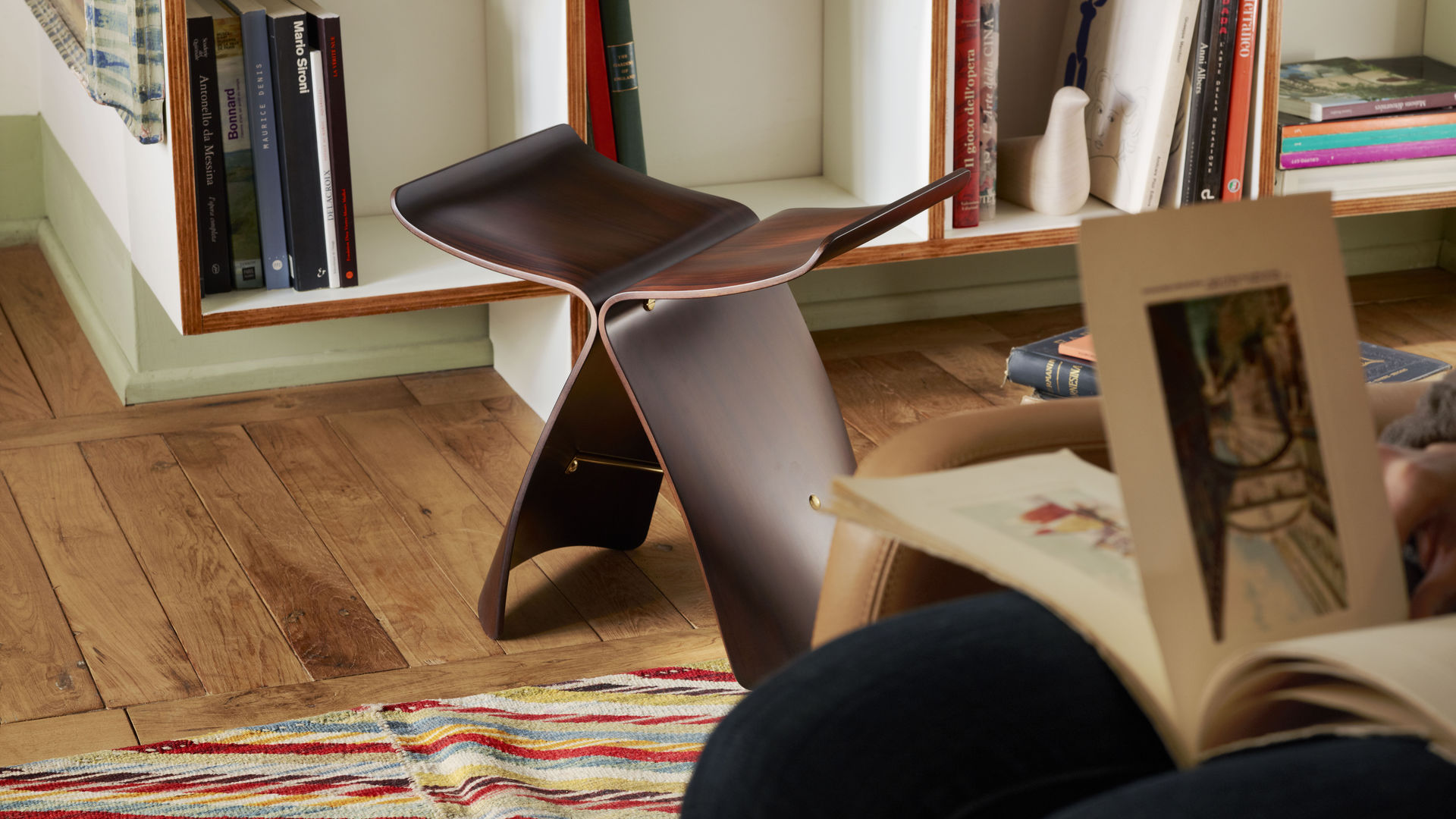
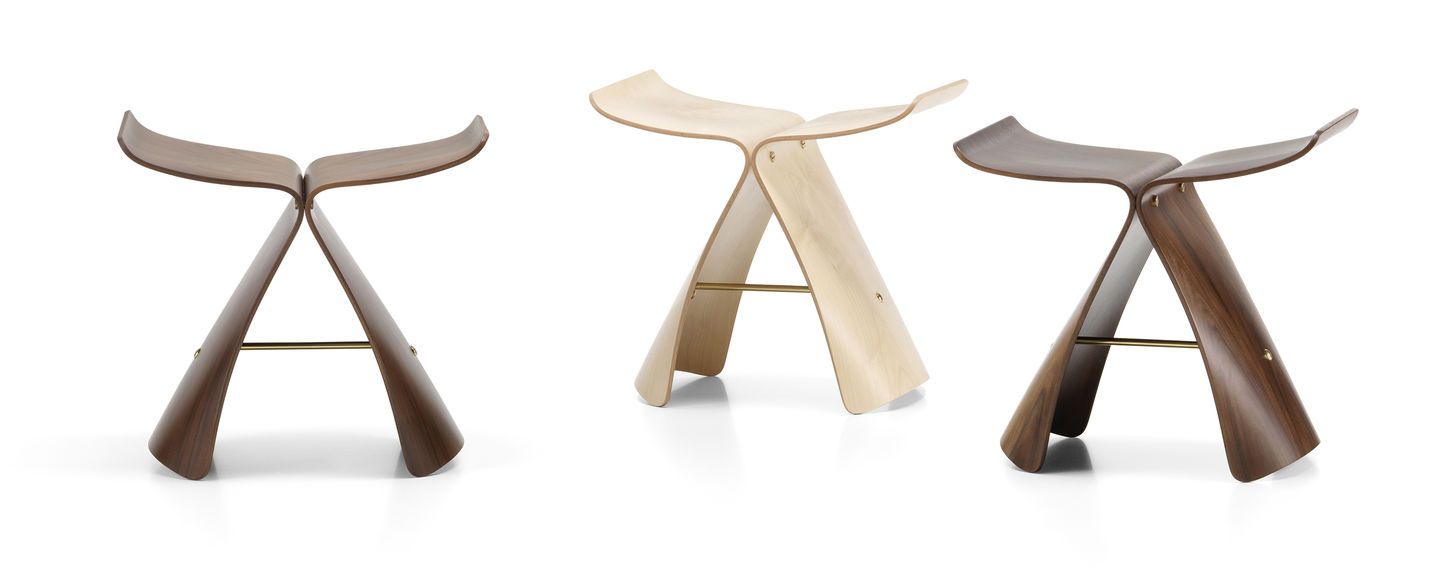
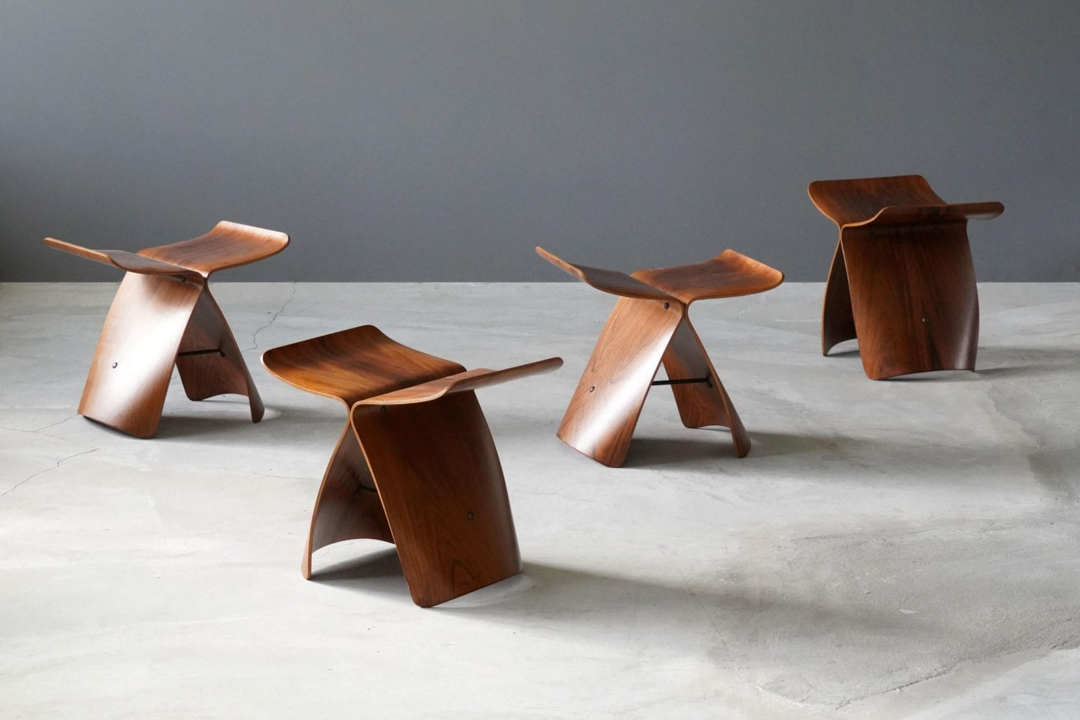
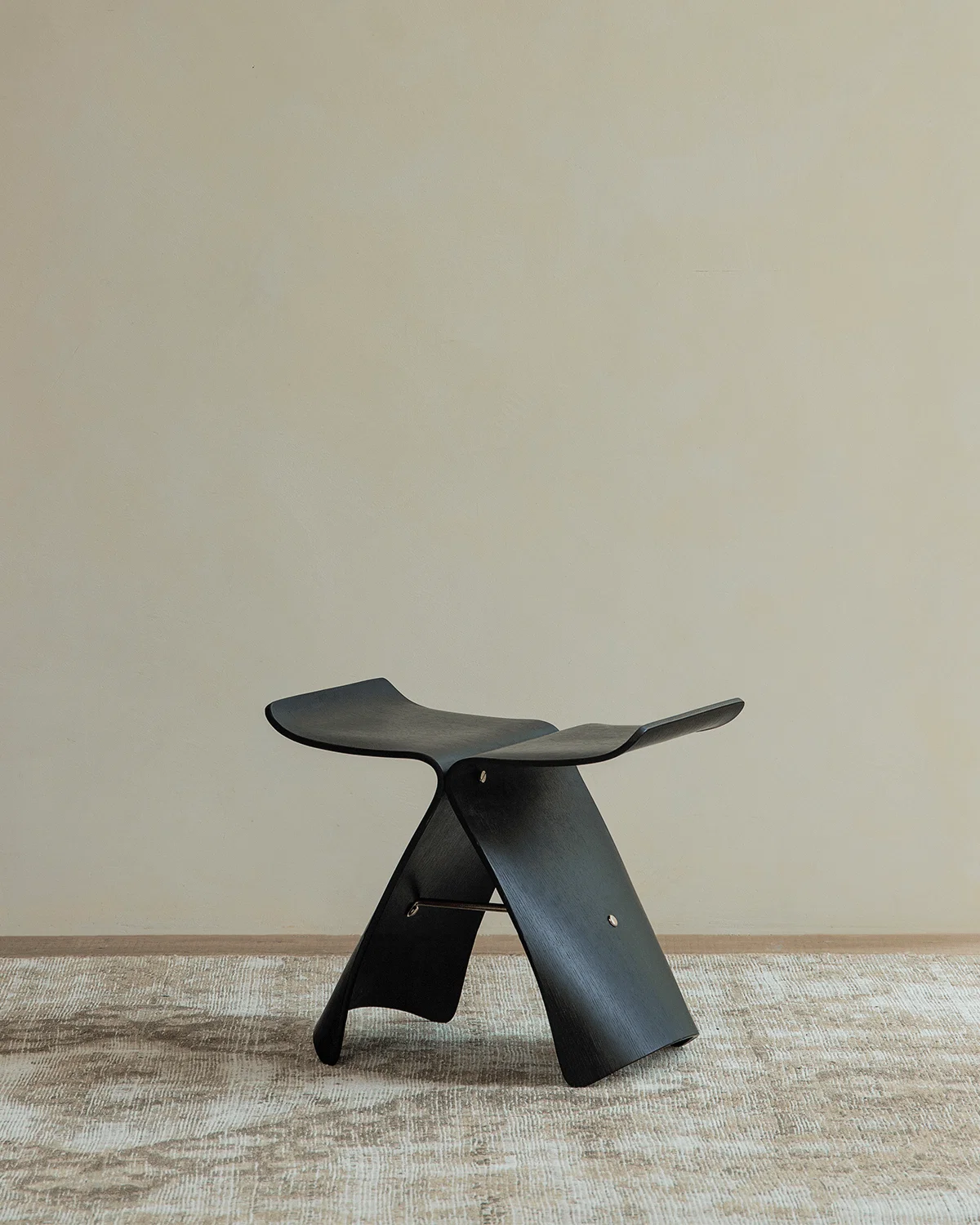
The Butterfly Stool reflects this design philosophy beautifully. Its two curved plywood shells meet at the centre, creating a form that resembles the wings of a butterfly.
The design is particularly significant because it brings together Japanese design sensibilities with modern moulded-plywood manufacturing techniques. The result is a furniture piece that feels simple, organic and highly distinctive.

The Beauty of Minimalist Design
One of the most striking characteristics of the Butterfly Stool is its simplicity.
There are no unnecessary decorative elements. Instead, the curved plywood becomes the main visual feature. The smooth silhouette creates a sense of balance and movement while maintaining a clean and refined appearance.
This is an important principle of minimalist furniture design—reducing a product to its essential elements without sacrificing beauty or functionality.
The Butterfly Stool demonstrates that minimalist design does not necessarily mean plain or boring. Through careful proportions, materials and craftsmanship, simplicity can become visually powerful.
A Fusion of Japanese and Western Design
The Butterfly Stool is also an interesting example of cultural exchange in furniture design.
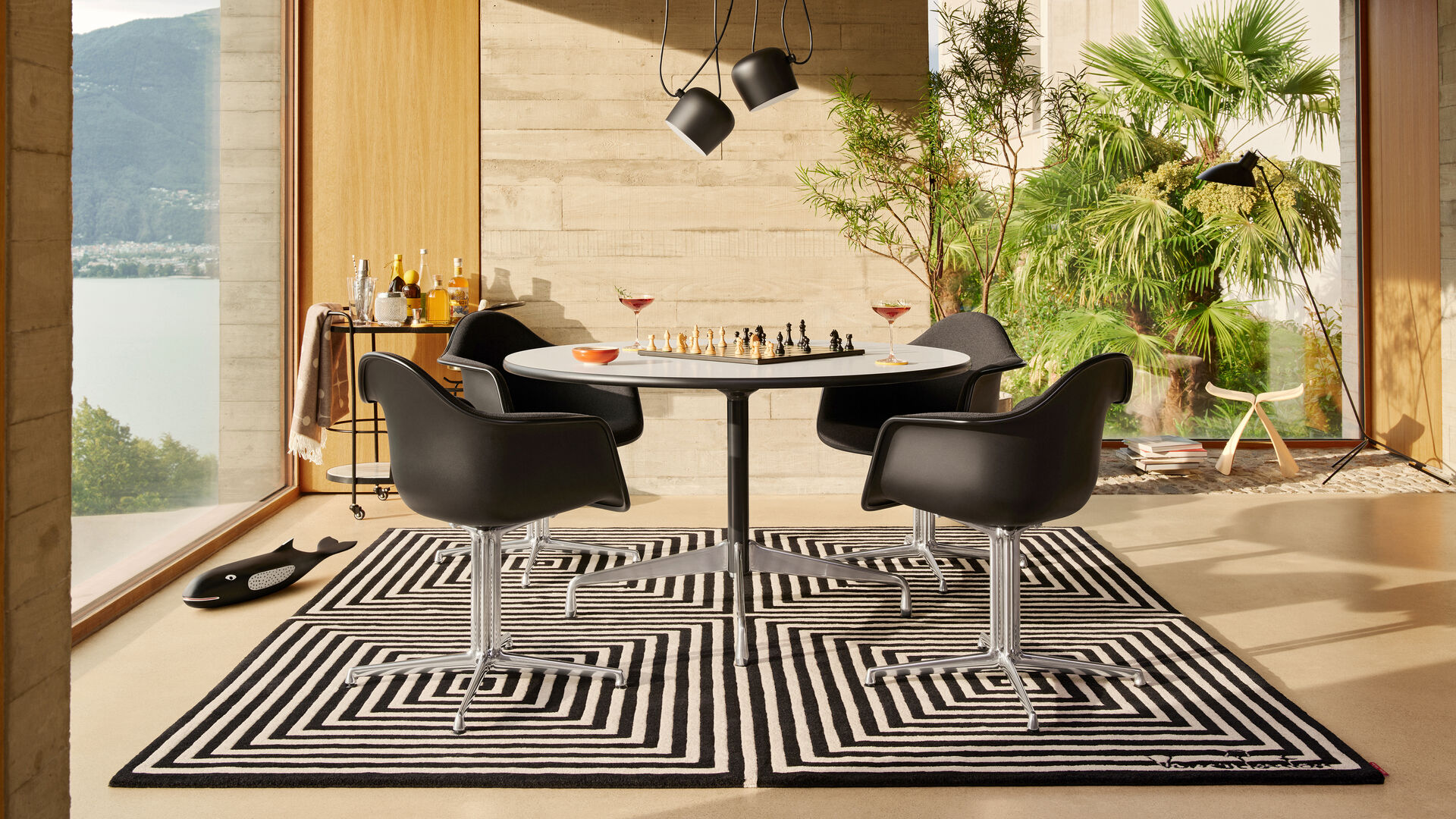
Its organic shape reflects Japanese aesthetics, while its moulded plywood construction connects it with developments in Western modernist furniture. This combination gives the stool a distinctive identity within the history of 20th-century furniture design.
The result is a design that feels both traditional and contemporary. Its visual language remains suitable for modern interiors even decades after it was first created.
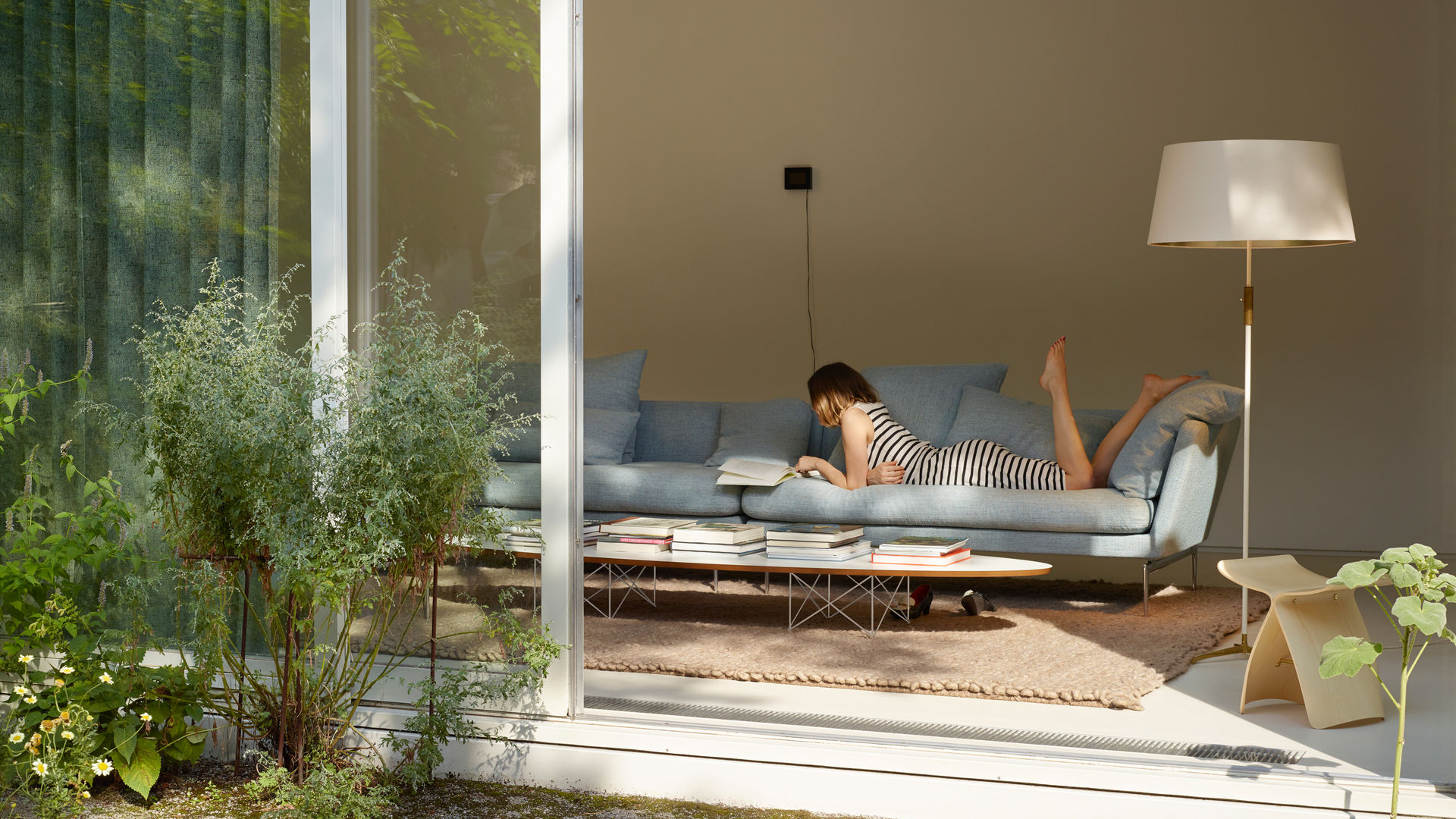
Moulded Plywood: Where Form Meets Function
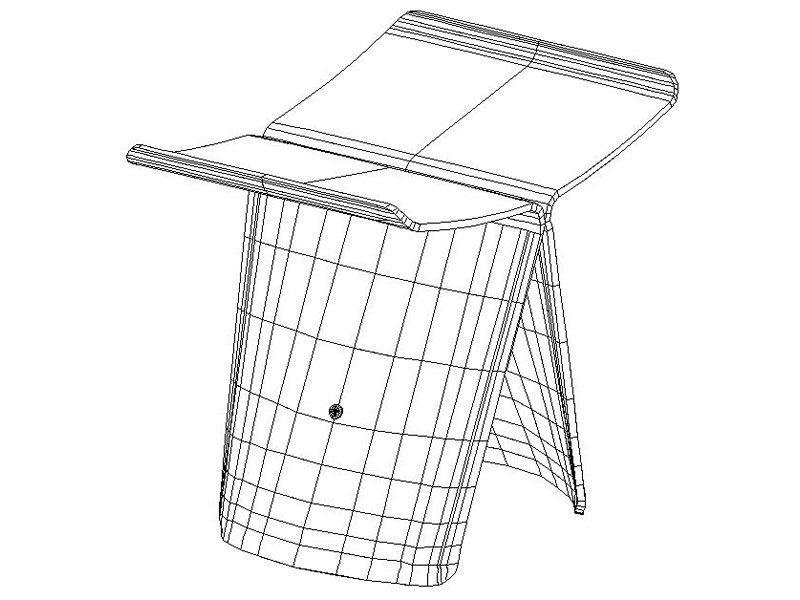
The use of moulded plywood is central to the Butterfly Stool's design.
The curved wooden components are not simply decorative. Their shape forms the structure of the stool itself, demonstrating the close relationship between form and function.
This approach is one of the reasons the Butterfly Stool continues to attract architects, interior designers and furniture enthusiasts.
For an architecture design project in Johor Bahru, details such as furniture selection can help connect the architectural language of a space with its interior concept. A sculptural furniture piece can become an important visual element without overwhelming the overall design.
Designing Better Spaces in Johor Bahru
When planning an interior project, furniture should be considered as part of the overall design rather than as an afterthought.
Whether you are searching for interior design near me in Johor Bahru or planning a larger commercial project, understanding how furniture, lighting, materials and spatial planning work together can make a significant difference to the final result.
For residential projects, a timeless furniture piece can add personality without making the space feel overly decorated. For commercial projects, furniture can contribute to the brand image and customer experience.
This is where interior design, architecture and construction need to work together. A well-designed space should not only look attractive but also function effectively for the people using it.
Why the Butterfly Stool Is Still Popular
The continued popularity of the Butterfly Stool comes from its ability to transcend changing interior trends.
While colours, materials and decorating styles evolve, the stool's fundamental design remains simple and adaptable. It can work within minimalist, contemporary, Japanese-inspired, Scandinavian and eclectic interiors.
It is also recognised as an important piece of design history. The Museum of Modern Art (MoMA) includes Sori Yanagi's Butterfly Stool in its Architecture and Design collection.
For designers and homeowners, this makes the Butterfly Stool more than a seating product. It represents an enduring approach to furniture design where simplicity, craftsmanship and functionality are equally important.
More Than Just a Stool
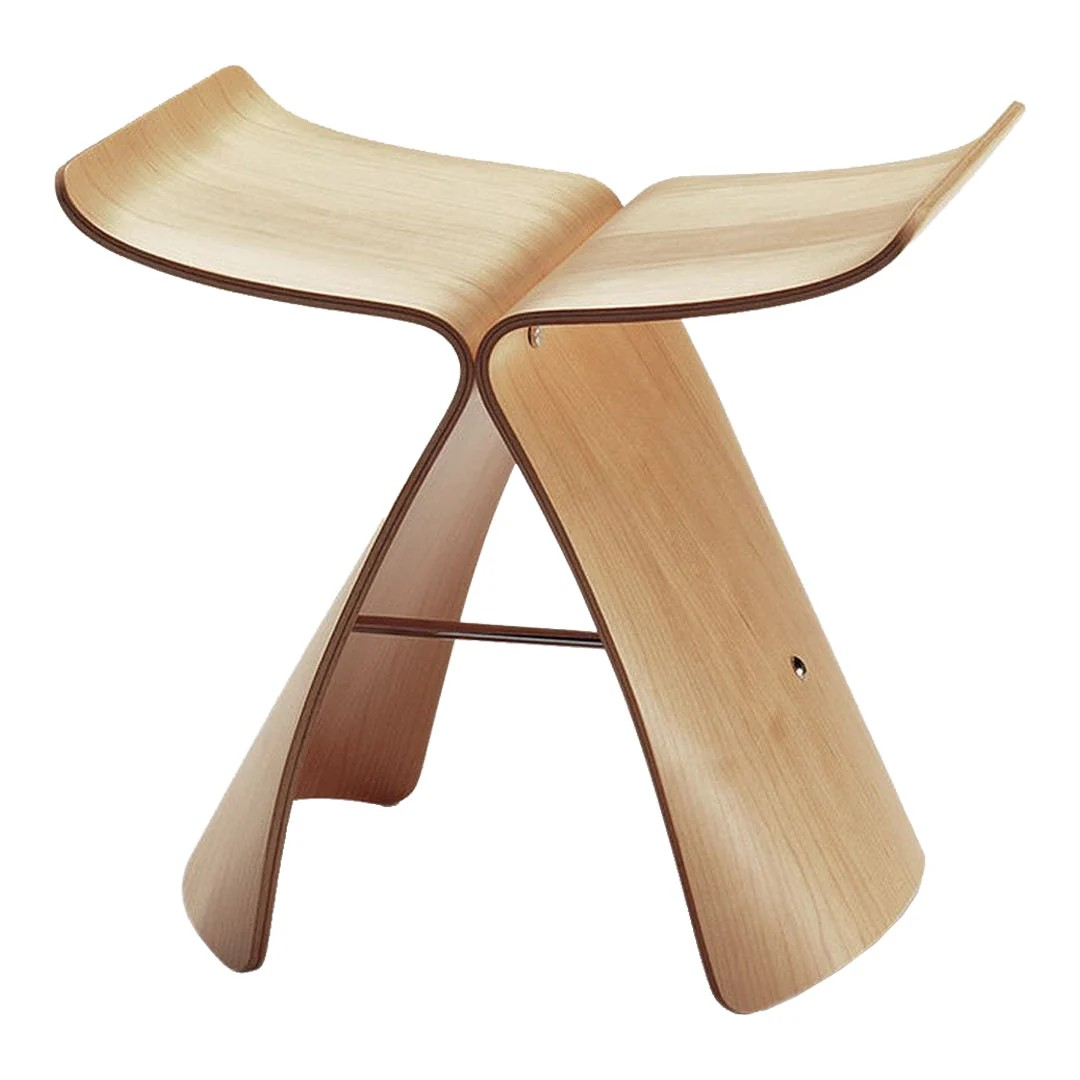
The Butterfly Stool shows how furniture can become a form of art without losing its practical purpose.
Its two curved wooden shells create a distinctive visual identity while providing a functional seating solution. This balance is what makes the design so successful.
The same design principle can be applied to interior projects in Johor Bahru. Whether it is a home renovation, commercial fit-out, retail space, F&B outlet or office, carefully selected furniture can elevate the overall design concept.
Good interior design is not simply about filling a room with attractive products. It is about creating a relationship between space, materials, furniture, lighting and functionality.
The Role of Timeless Furniture in Modern Interior Design
Trends come and go, but timeless furniture can remain relevant for decades.
The Butterfly Stool demonstrates how a strong design concept can adapt to different environments. Its natural material, sculptural shape and minimalist character allow it to complement a wide range of architectural and interior styles.
For clients planning construction in Johor Bahru, renovation or interior design projects, choosing timeless furniture can also help create interiors that do not quickly feel outdated.
Instead of following every short-term trend, designers can focus on quality materials, balanced proportions and furniture with a strong design identity.
Final Thoughts
The Butterfly Stool: A Timeless Masterpiece of Minimalist Design represents the enduring power of simplicity.
Designed by Sori Yanagi in 1956, the stool combines Japanese aesthetics, moulded plywood technology and modern furniture design into a distinctive and elegant form. Its butterfly-inspired silhouette has allowed it to remain visually relevant across generations.
Whether used in a residential interior, hospitality project, office, showroom or commercial space, the Butterfly Stool demonstrates that timeless furniture design is not about following trends. It is about creating a piece with strong proportions, thoughtful craftsmanship and a clear design identity.
For anyone interested in Japanese furniture design, minimalist interior design, modern furniture or iconic designer furniture, the Butterfly Stool remains an inspiring example of how simplicity can create lasting beauty.
For homeowners and businesses in Johor Bahru, the same design philosophy can be applied to architecture, renovation and interior projects. From architecture design in Johor Bahru to renovation in Johor Bahru, office interior design in Johor Bahru and professional interior design near me, thoughtful planning and timeless design choices can help create spaces that are both functional and visually lasting.
Explore more story regarding Butterfly Stool here: Butterfly Stool | Official Vitra® Website UN