Japandi Style Interior Design: A Quiet Story of Calm, Craft, and Timeless Living
Japandi Style Interior Design: A Quiet Story of Calm, Craft, and Timeless Living
Japandi style interior design does not announce itself loudly. It begins quietly—often long before furniture is placed or walls are painted. It starts with a pause.
A moment of consideration. A decision not to add, but to refine. In many homes, design is about filling space. In Japandi interiors, design is about understanding space. This is where the story of Japandi truly lives.

A Design Language Born from Restraint
Japandi style is the harmonious blend of Japanese minimalism and Scandinavian interior design. Though separated by geography, both cultures share a deep respect for nature, craftsmanship, and purposeful living. From Japan comes wabi-sabi—the appreciation of imperfection, natural ageing, and quiet beauty.
From Scandinavia comes functionality, warmth, and human-centred design. Together, they form interiors that feel calm, grounded, and effortlessly livable.
Japandi is not about emptiness. It is about intentional choice.
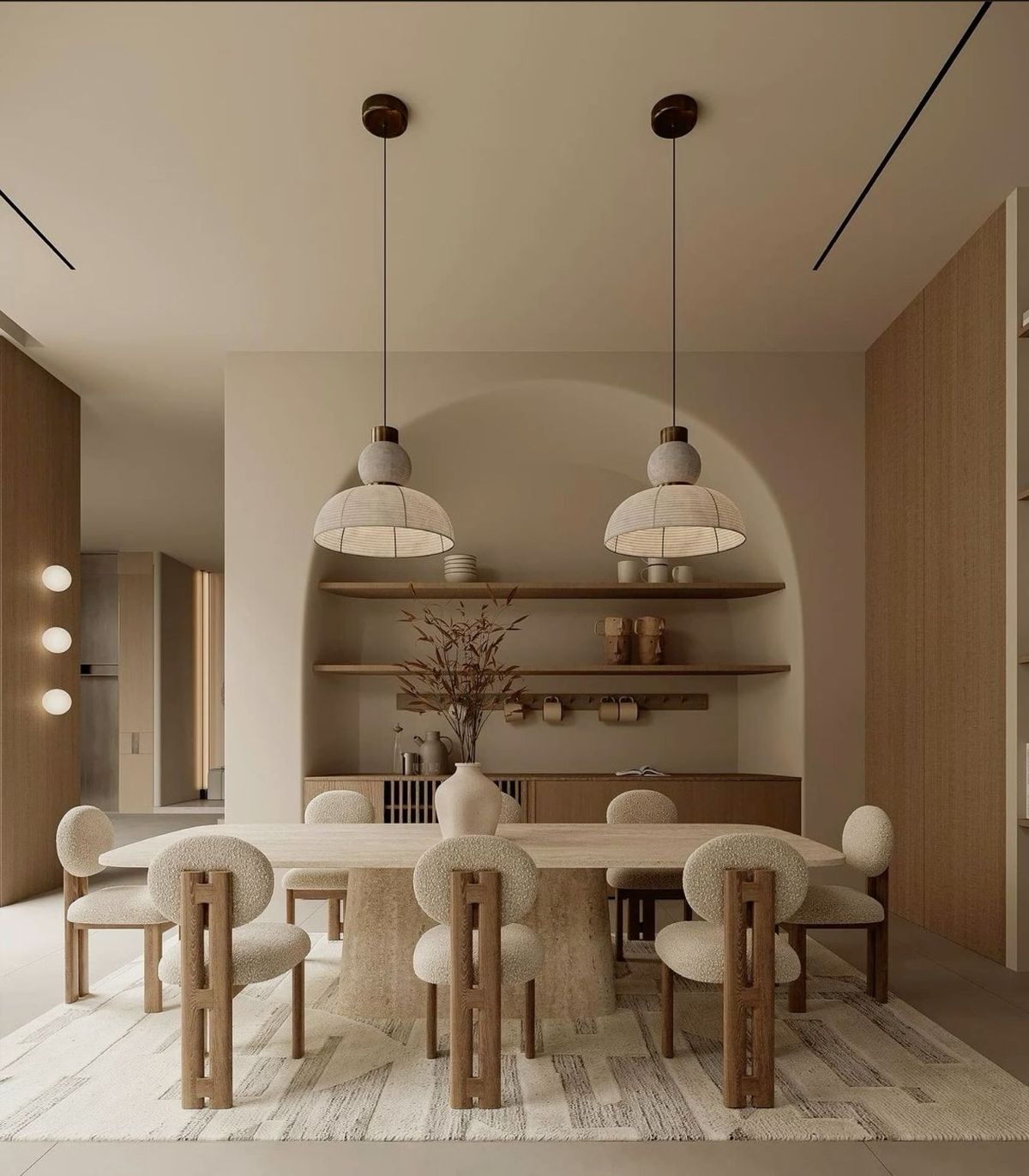
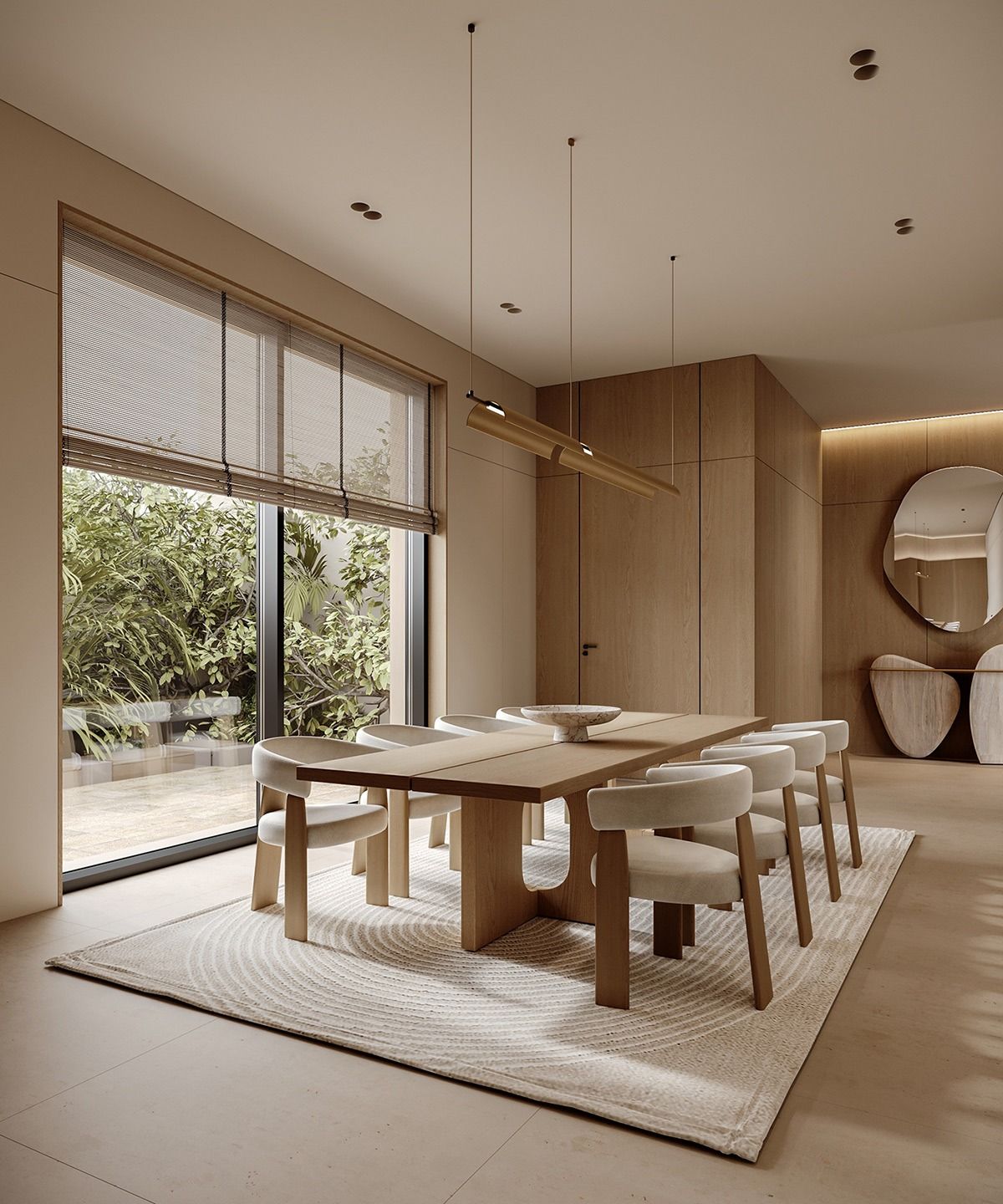
The Home as a Place to Slow Down
Imagine entering a Japandi-style home. The colour palette is soft and muted—warm whites, light wood tones, gentle greys, and earthy accents. There is no visual noise. Natural light filters across timber surfaces, revealing subtle grain and texture.
You notice what is present—and what is deliberately absent.
Every element has a reason to exist. This is one of the defining principles of Japandi interior design: removing excess so that what remains can be fully appreciated.
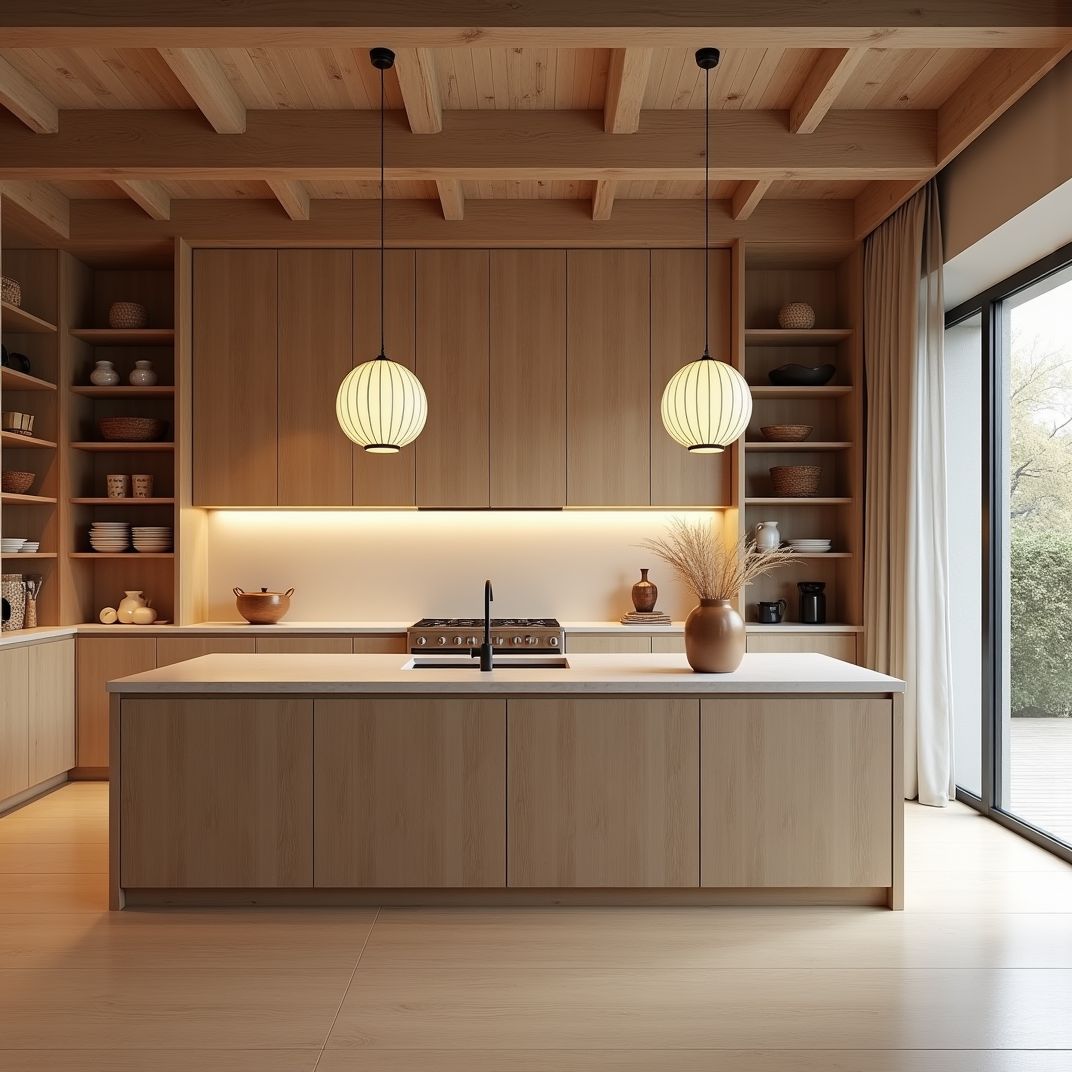
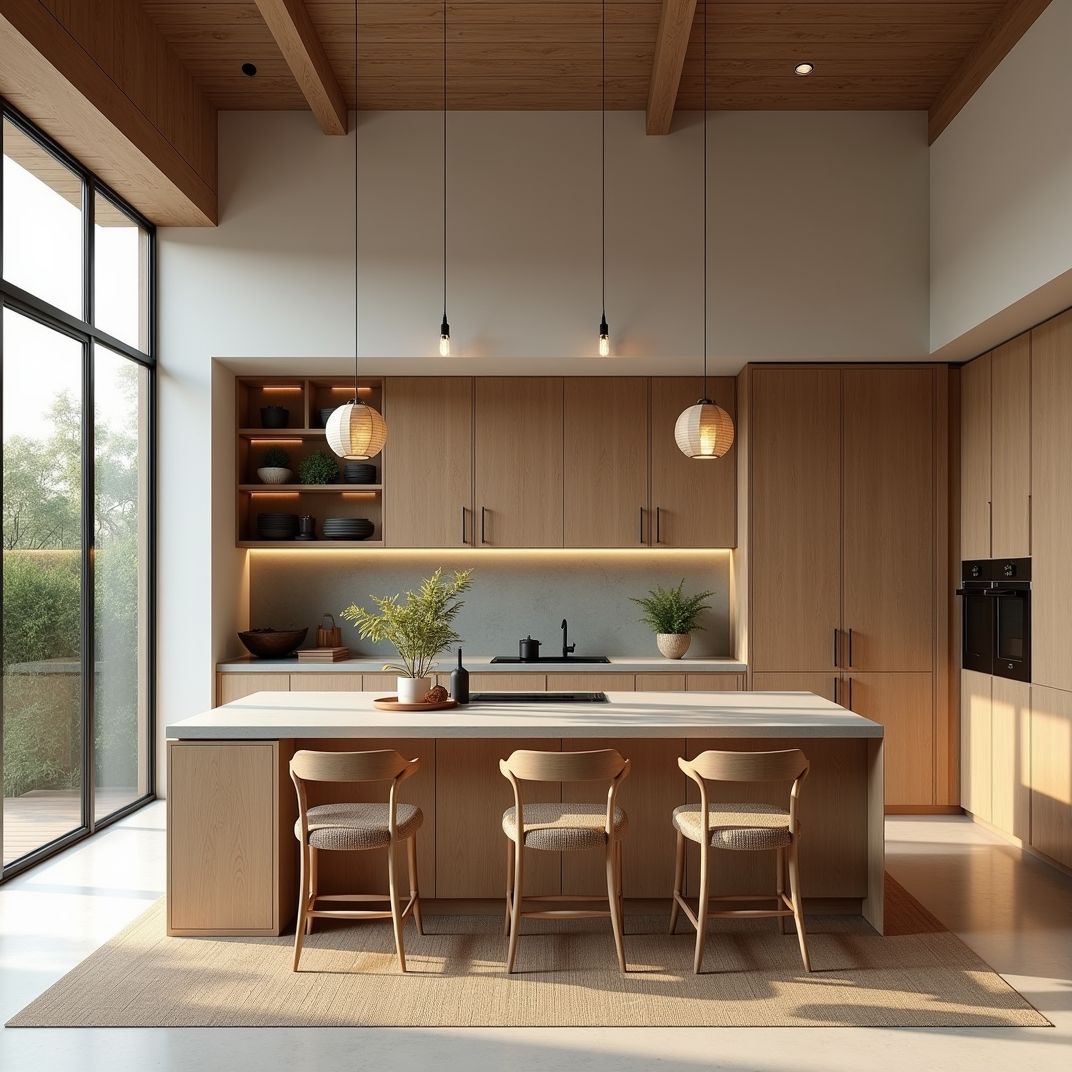
Materials That Tell Their Own Story
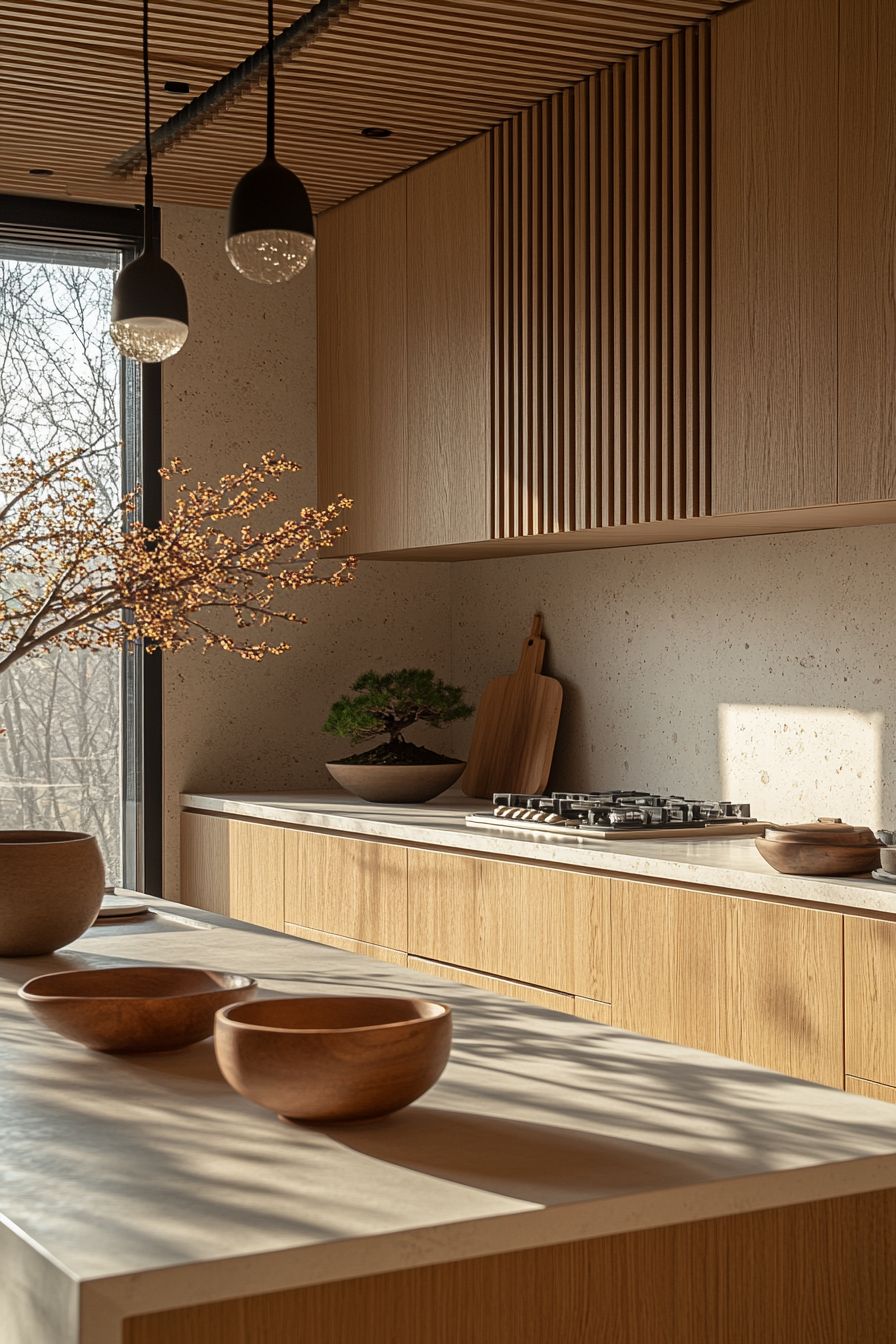
In Japandi homes, materials are chosen not for trend, but for longevity. Solid wood, natural stone, linen, clay, ceramic—these materials age gracefully. Their imperfections become part of the home’s narrative over time.
Instead of glossy finishes, Japandi interiors favour:
- Timber with visible grain
- Stone with natural variation
- Handcrafted surfaces
- Soft, tactile fabrics
This emphasis on material honesty aligns Japandi style closely with timeless interior design and sustainable living.
Furniture with Purpose, Not Decoration
Japandi furniture is low-profile, well-proportioned, and functional.
There is no excess ornamentation. Lines are clean, forms are simple, and comfort is never sacrificed. Scandinavian ergonomics meet Japanese restraint, resulting in furniture that feels natural within the space rather than dominant.
In Japandi design, a chair is not just a chair — it supports daily rituals: morning coffee, quiet reading, shared conversations.
Light, Shadow, and the Beauty of Space
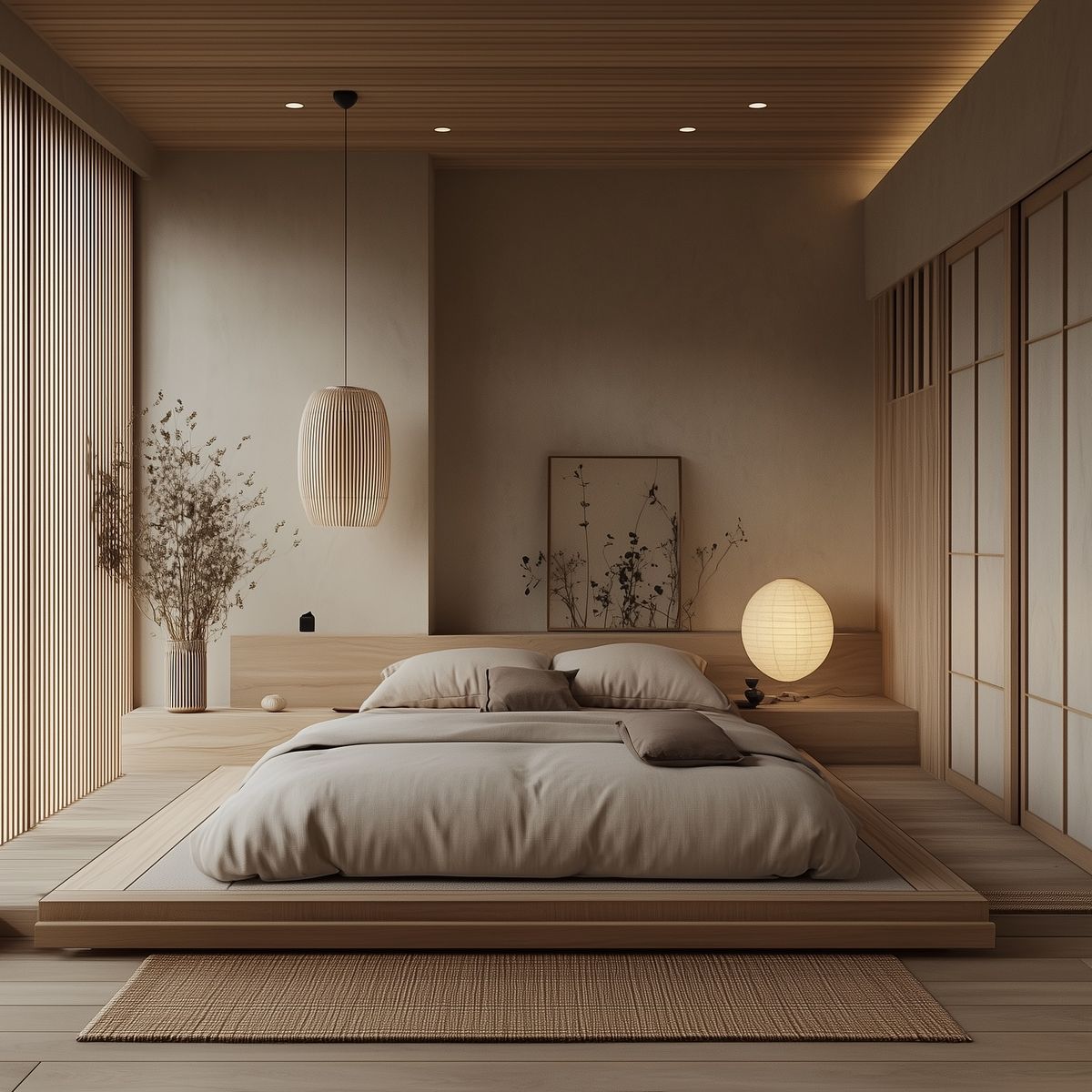
Lighting in Japandi-style interiors is soft and considered.
Natural daylight is prioritised. Artificial lighting is warm, indirect, and layered—never harsh. Shadows are allowed to exist, creating depth and calm.
Equally important is negative space. Empty areas are not unfinished; they allow the eye and mind to rest. This balance between light, shadow, and space is what gives Japandi homes their signature serenity.
Japandi Style for Modern Homes
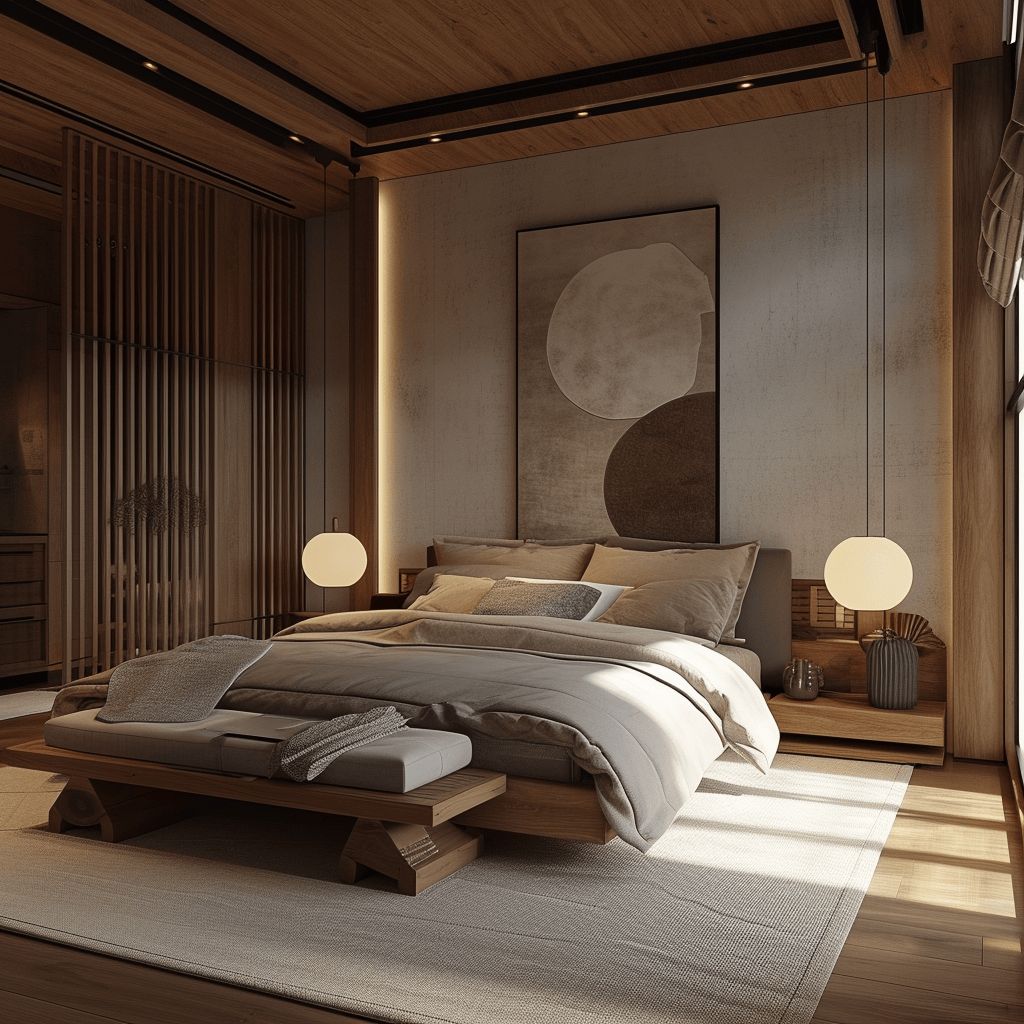
Japandi interior design works especially well in modern houses and condominiums, including urban and tropical settings.
For contemporary Malaysian homes, Japandi offers:
- Breathable layouts suited to warm climates
- Natural materials that feel cool and grounded
- Minimal maintenance, long-lasting design
- A calm contrast to busy city living
Living rooms become peaceful gathering spaces. Bedrooms transform into true places of rest. Kitchens and bathrooms feel functional, warm, and quietly luxurious.

More Than a Style—A Way of Living
At its heart, Japandi style is not about aesthetics alone.
It asks deeper questions during the design process:
- Do we truly need this?
- Is this well crafted?
- Will this still feel right in ten years?
By choosing quality over quantity and restraint over excess, Japandi interiors age beautifully—both visually and emotionally.

Final Thoughts: The Quiet Confidence of Japandi Design
Japandi style interior design offers a rare kind of luxury—the luxury of calm.
It does not chase trends or demand attention. Instead, it rewards those who slow down, observe carefully, and value craftsmanship.
In a world filled with constant stimulation, Japandi homes remind us that simplicity, balance, and intention are not limitations—but design at its most refined.


