The Art of Enclosure in Interior Design: Creating Spaces That Feel Comfortable, Elegant, and Connected
The Art of Enclosure in Interior Design: Creating Spaces That Feel Comfortable, Functional, and Luxurious
When people think about great interior design, they often focus on beautiful materials, stylish furniture, and stunning finishes. However, one of the most important design principles behind a truly comfortable and luxurious home is something less obvious—the concept of enclosure.
In professional interior design, enclosure refers to the way spaces are defined and shaped to create a sense of comfort, privacy, and belonging. Whether you're planning a new home or undertaking a home renovation in Johor Bahru, understanding the role of enclosure can dramatically improve both the aesthetics and functionality of your living space.

What Is Enclosure in Interior Design?
Enclosure (围合) is the art of creating spatial boundaries that help people feel secure and connected to their surroundings. These boundaries do not necessarily require walls. Instead, designers use elements such as ceilings, furniture, lighting, materials, and architectural features to subtly define different areas within a home.
A well-designed enclosure creates spaces that feel intentional, welcoming, and balanced.
The goal is simple:
To create homes that feel open and spacious, yet warm and comfortable at the same time.
Why Enclosure Matters in Modern Home Design
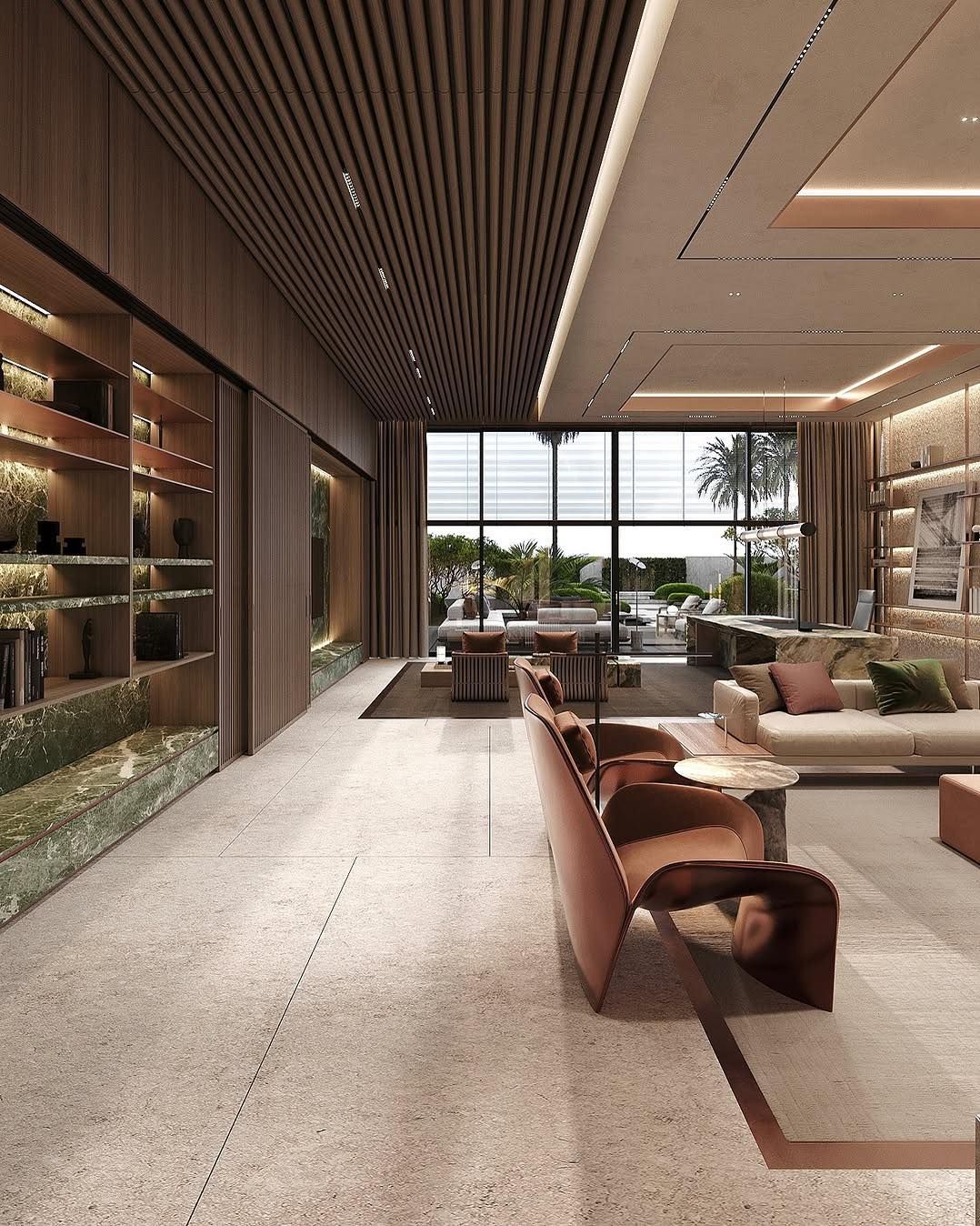
Open-concept living has become a popular trend in modern home design, especially in condominiums and contemporary landed properties. While open layouts offer flexibility and spaciousness, they can sometimes feel overwhelming or lack a sense of intimacy.
Without proper spatial definition, homeowners may experience:
- Lack of privacy
- Poor visual organization
- Reduced comfort
- Undefined functional areas
- A disconnected living experience
This is where enclosure becomes essential.
Professional interior designers in Johor Bahru often use enclosure techniques to create harmony between openness and functionality, ensuring every area serves a clear purpose while maintaining a cohesive design.

Key Design Elements That Create Enclosure
1. Ceiling Design and Light Pelmets
Ceiling treatments are one of the most effective ways to establish spatial boundaries.
Features such as:
- Plaster ceilings
- Cove lighting
- Light pelmets
- Feature ceiling designs
can visually frame different zones within an open-plan home.
For example, a custom ceiling design above the dining area naturally creates a sense of enclosure without interrupting the overall flow of the space.
2. Furniture Arrangement
Furniture placement plays a significant role in space planning.
A strategically positioned sofa, dining table, or custom-built cabinet can define living, dining, and entertainment zones while maintaining openness.
This technique is widely used in luxury interior design projects to achieve both functionality and elegance.
3. Lighting Design
Lighting is more than illumination—it is a powerful design tool.
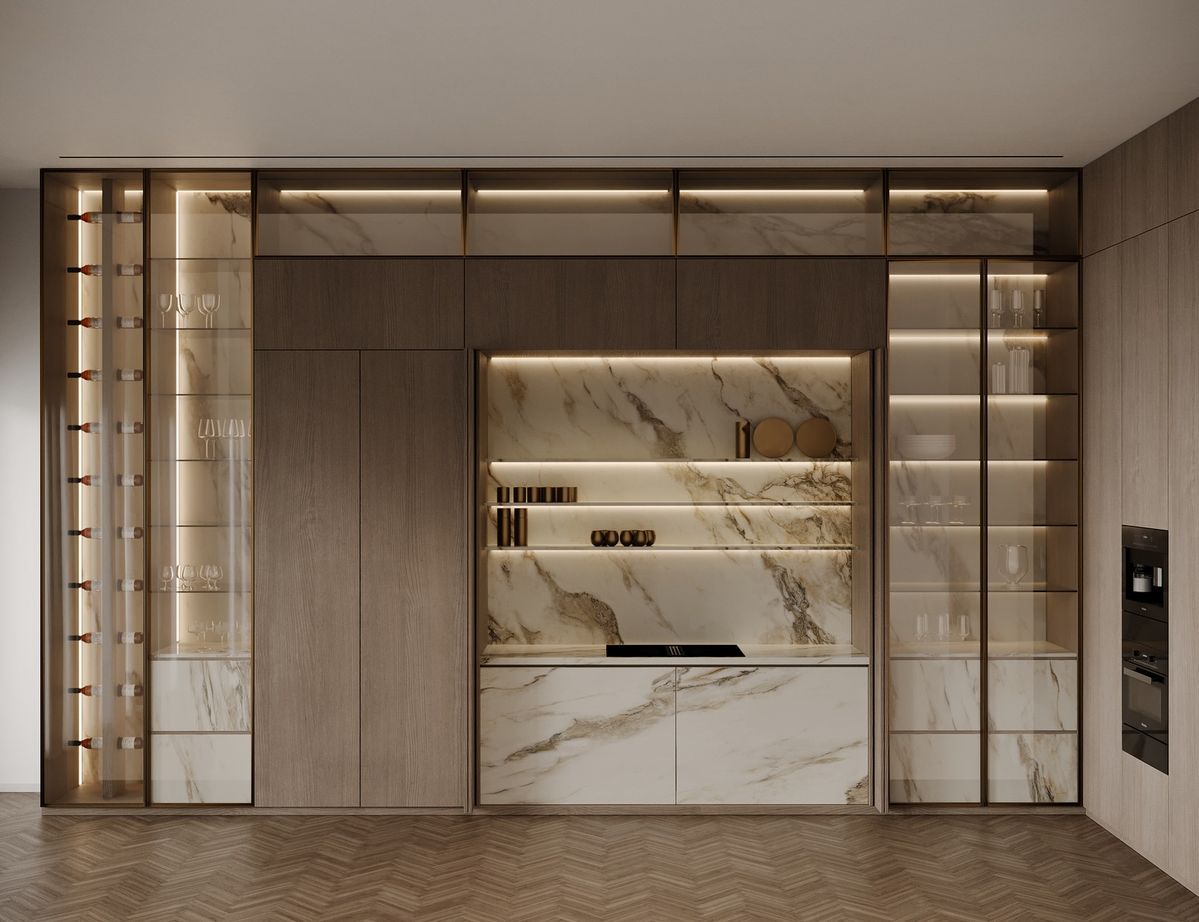
Pendant lights above a dining table, wall lights in a reading corner, or indirect cove lighting in a living room help establish visual boundaries and create inviting atmospheres.
A professional lighting plan enhances the overall experience of a home while reinforcing spatial enclosure.
4. Material and Texture Transitions
Different materials can subtly separate one space from another while maintaining design continuity.
Examples include:
- Wood panel feature walls
- Marble surfaces
- Textured paint finishes
- Decorative wall cladding
These transitions create depth and character while strengthening the identity of each space.
5. Custom Carpentry and Built-In Features
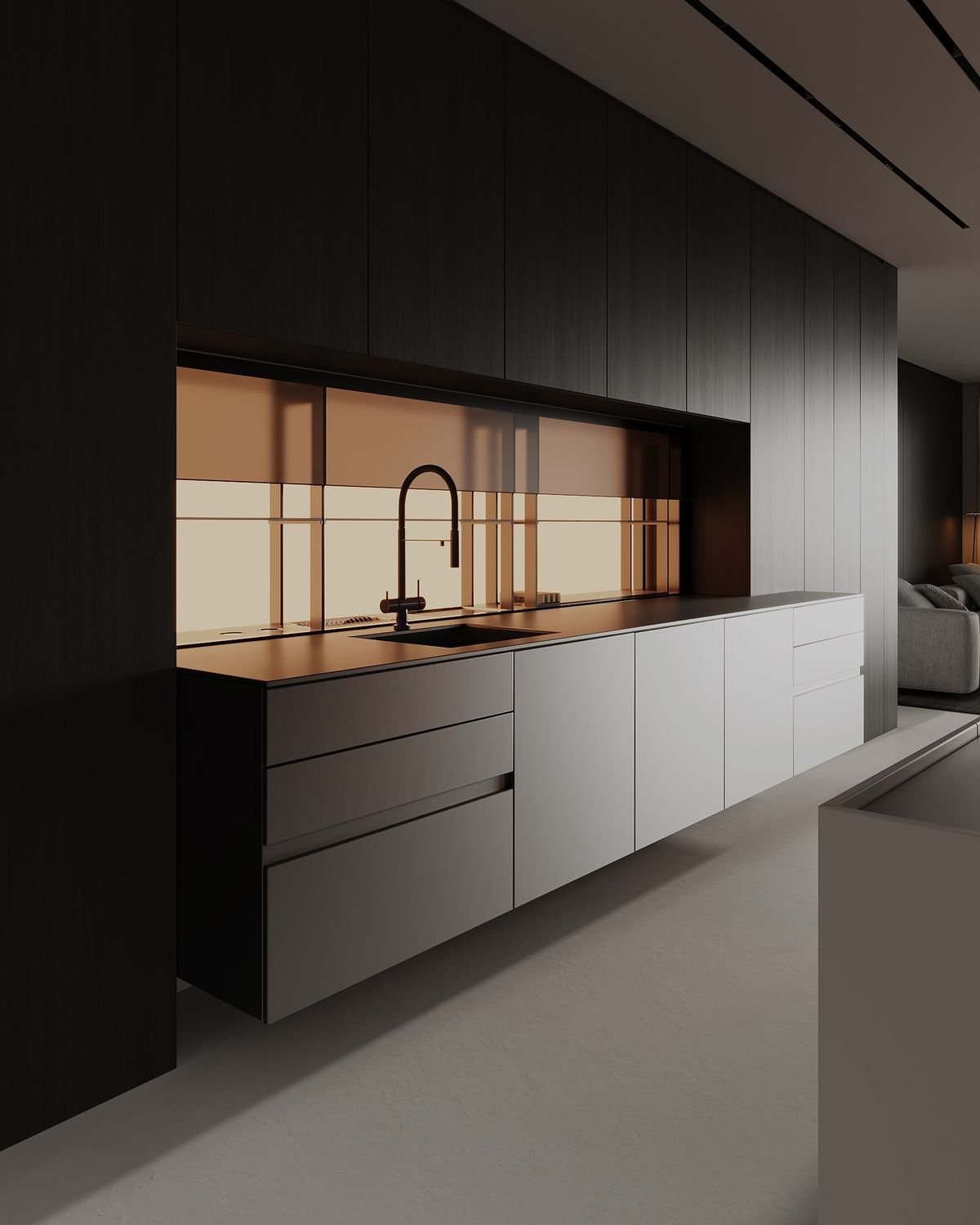
Custom cabinetry and built-in furniture are commonly used in residential interior design to define spaces while maximizing storage.
Feature walls, display cabinets, TV consoles, and room dividers all contribute to creating a stronger sense of enclosure without sacrificing openness.
The Psychological Benefits of Enclosure
The best homes are not only visually attractive—they make people feel good.
Research in environmental psychology suggests that people naturally gravitate toward spaces that provide both shelter and visibility. A well-enclosed environment offers:
- A greater sense of comfort
- Improved relaxation
- Better focus and productivity
- Stronger emotional connection to the home
- Enhanced feelings of safety and security
These emotional benefits are often what separate a professionally designed home from an ordinary one.
How Luxury Interior Design Uses Enclosure
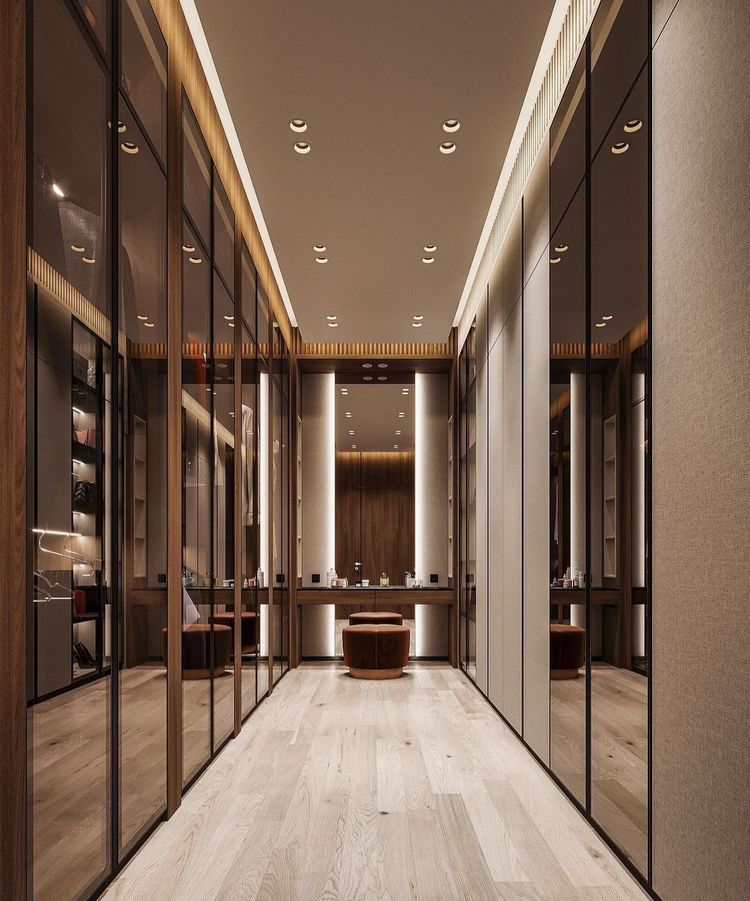
In high-end residential projects, enclosure is carefully integrated into every aspect of the design process.
Luxury spaces are rarely defined by expensive materials alone. Instead, they are characterized by thoughtful planning, balanced proportions, and carefully crafted spatial experiences.
Professional interior designers in Johor Bahru understand that true luxury comes from creating environments that feel effortless, functional, and deeply comfortable.
Through strategic use of ceilings, lighting, furniture, and architectural details, designers create homes that are both visually stunning and emotionally engaging.
Conclusion
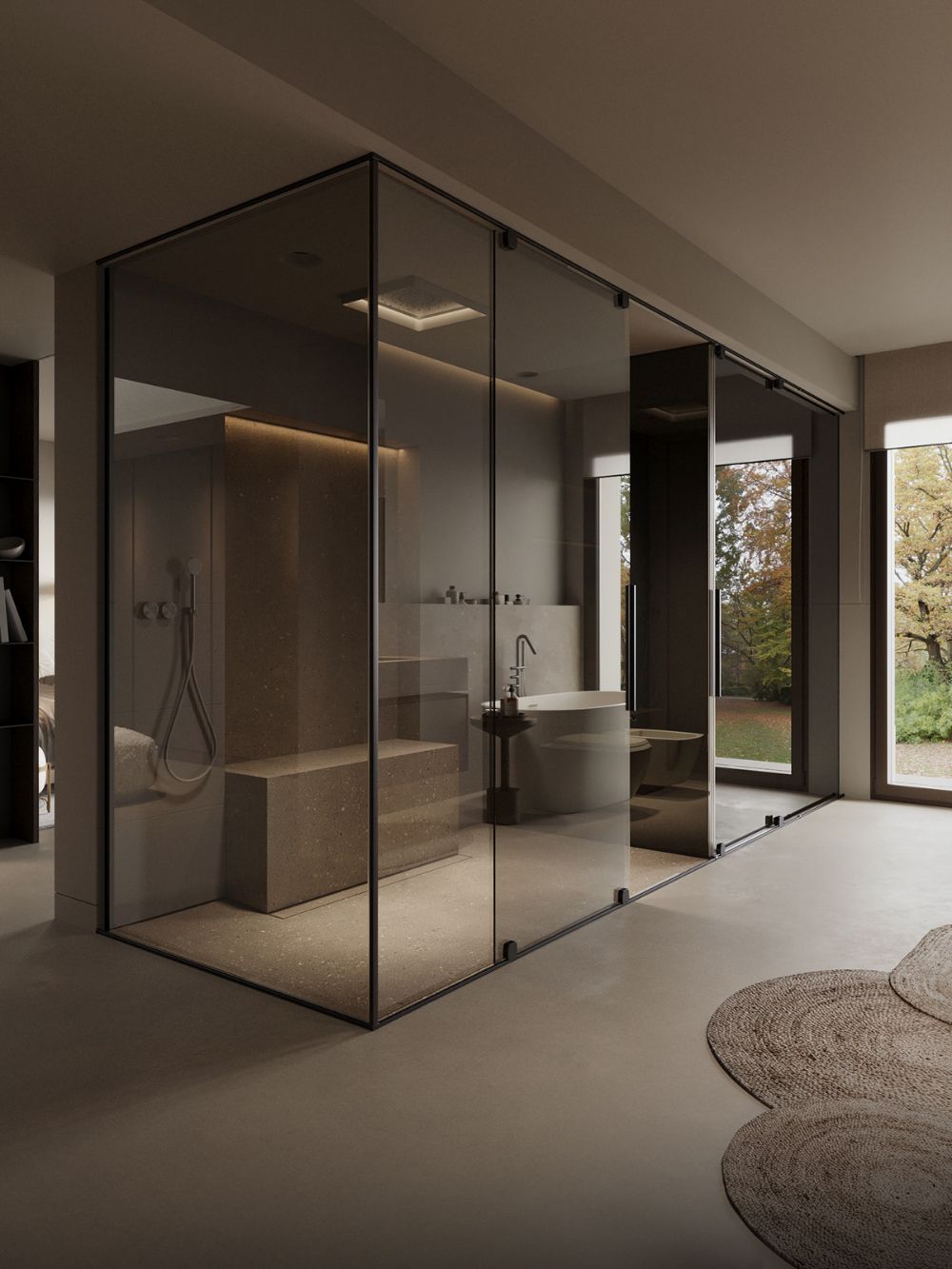
The concept of enclosure is one of the most powerful tools in interior design. It transforms open spaces into meaningful environments that support everyday living while enhancing comfort and elegance.
Whether you're planning a new residence or considering a home renovation in Johor Bahru, incorporating enclosure into your design strategy can significantly improve the way your home looks, feels, and functions.
Because exceptional design is not simply about creating beautiful spaces—it is about creating spaces where people truly feel at home.
Explore Our Work:
Get in Touch:
For bespoke interior solutions tailored to your lifestyle and cultural preferences, contact us at +6011-5755 0549. Let’s turn your vision into a crafted reality.
↵Back to Design