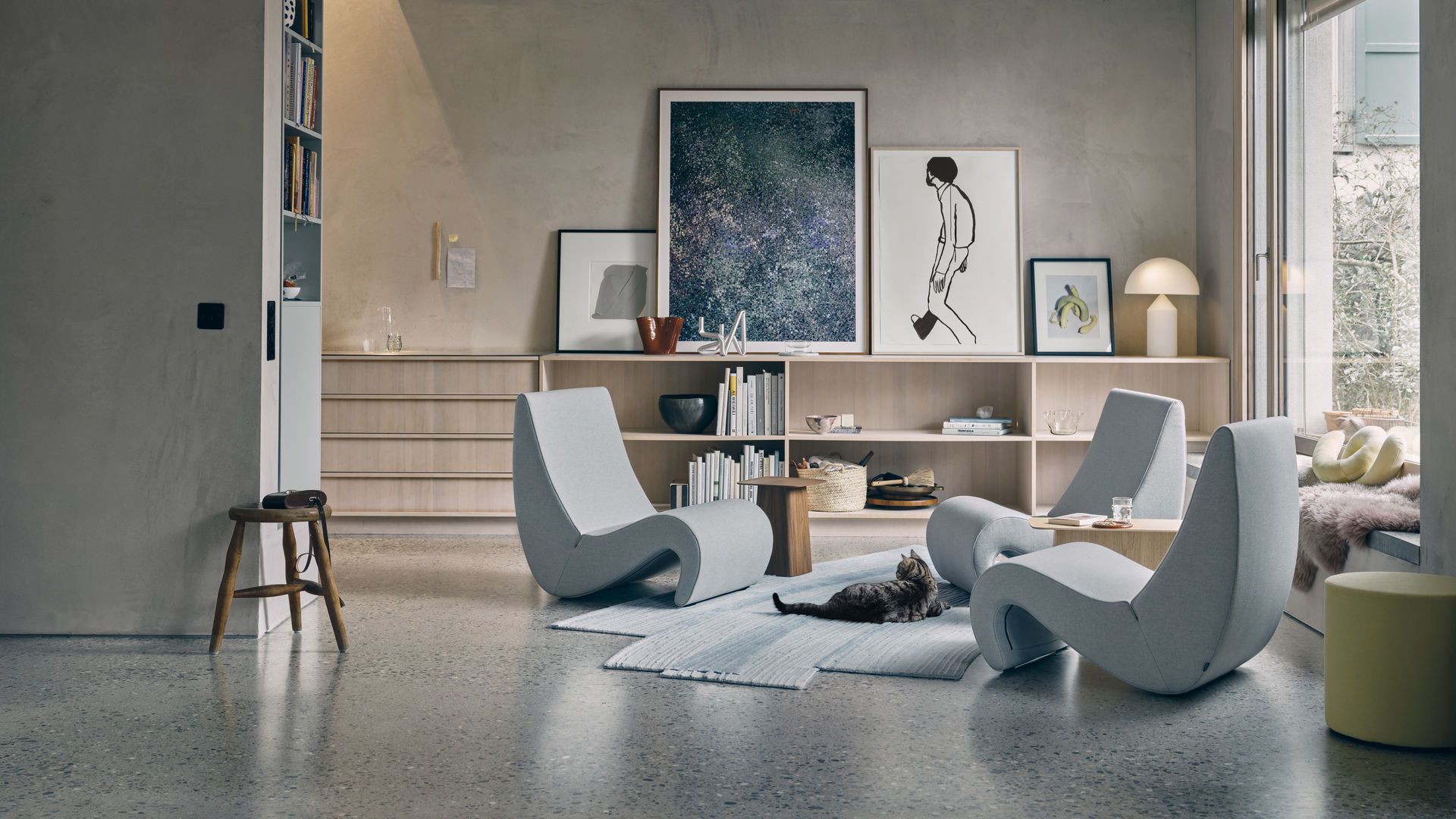
Amoebe Chair: A Sculptural Icon of Organic Comfort & Timeless Design
Amoebe Chair: A Sculptural Icon of Organic Comfort & Timeless Design
There was a time when chairs were simply chairs—straight lines, hard edges, predictable functions. Then came a shift in thinking. Designers began to ask a radical question: what if furniture could feel like a landscape instead of an object?
That question helped shape one of the most iconic lounge pieces in design history—the Amoebe Chair.
A Brand Born from Design Culture, Not Just Furniture
To understand the Amoebe Chair, you first need to understand the world it came from.
Vitra began in Switzerland in 1950, not as a trend-chasing furniture company, but as a long-term curator of design culture. From the very beginning, Vitra focused on something deeper than manufacturing chairs and tables—it focused on preserving and producing ideas.
Over the decades, Vitra collaborated with design legends like Charles & Ray Eames, Jean Prouvé, and Verner Panton, building a portfolio that blurred the line between furniture and art. By the time the 1970s arrived, Vitra had already become a platform where experimental design was not only accepted—but encouraged.
It was in this creative environment that the Amoebe Chair was born.
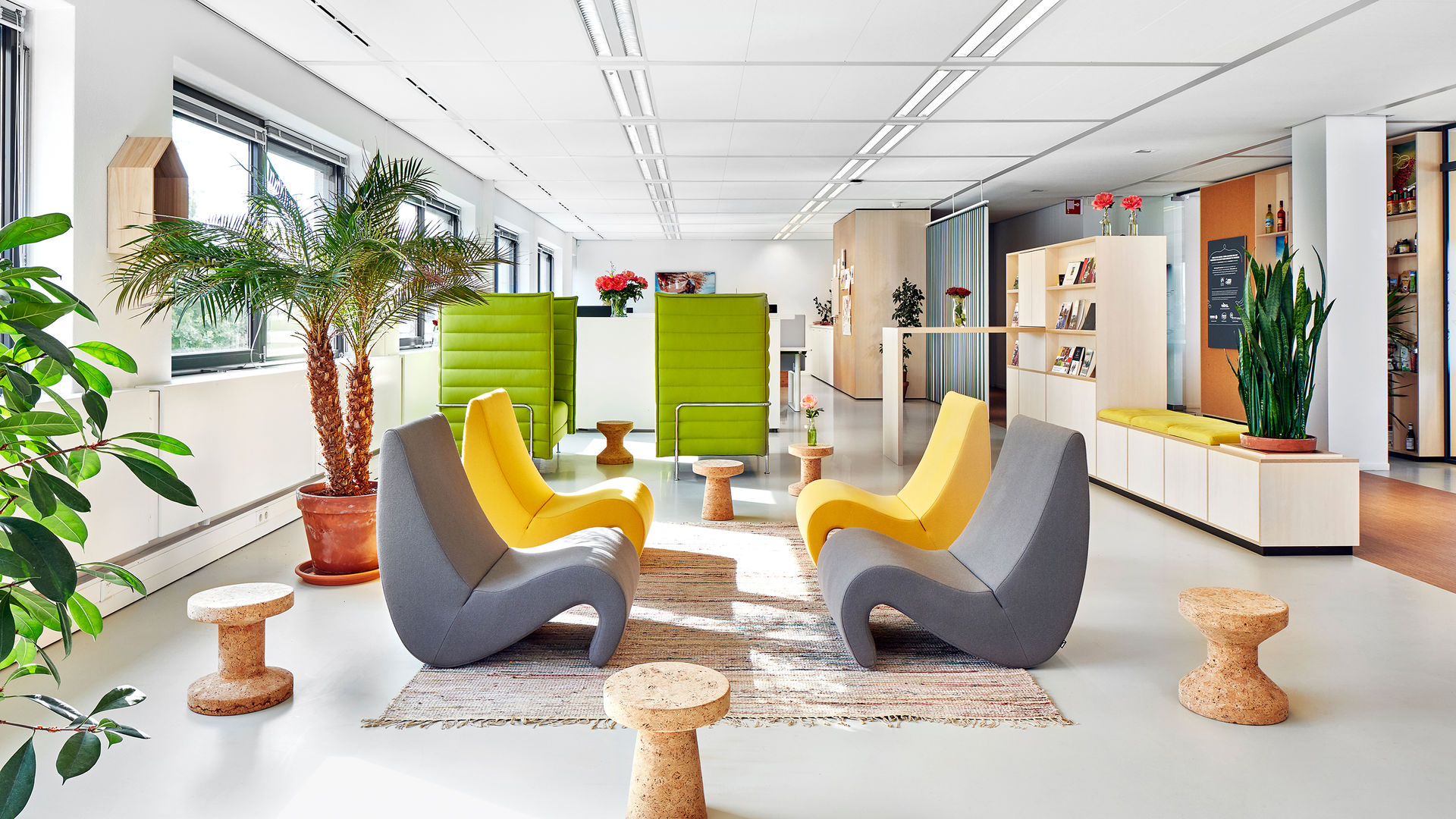
The Moment Verner Panton Changed the Rules
In 1970, designer Verner Panton imagined something very different from the structured seating of his time.
He didn’t want a chair that dictated posture.
He wanted a chair that invited experience.
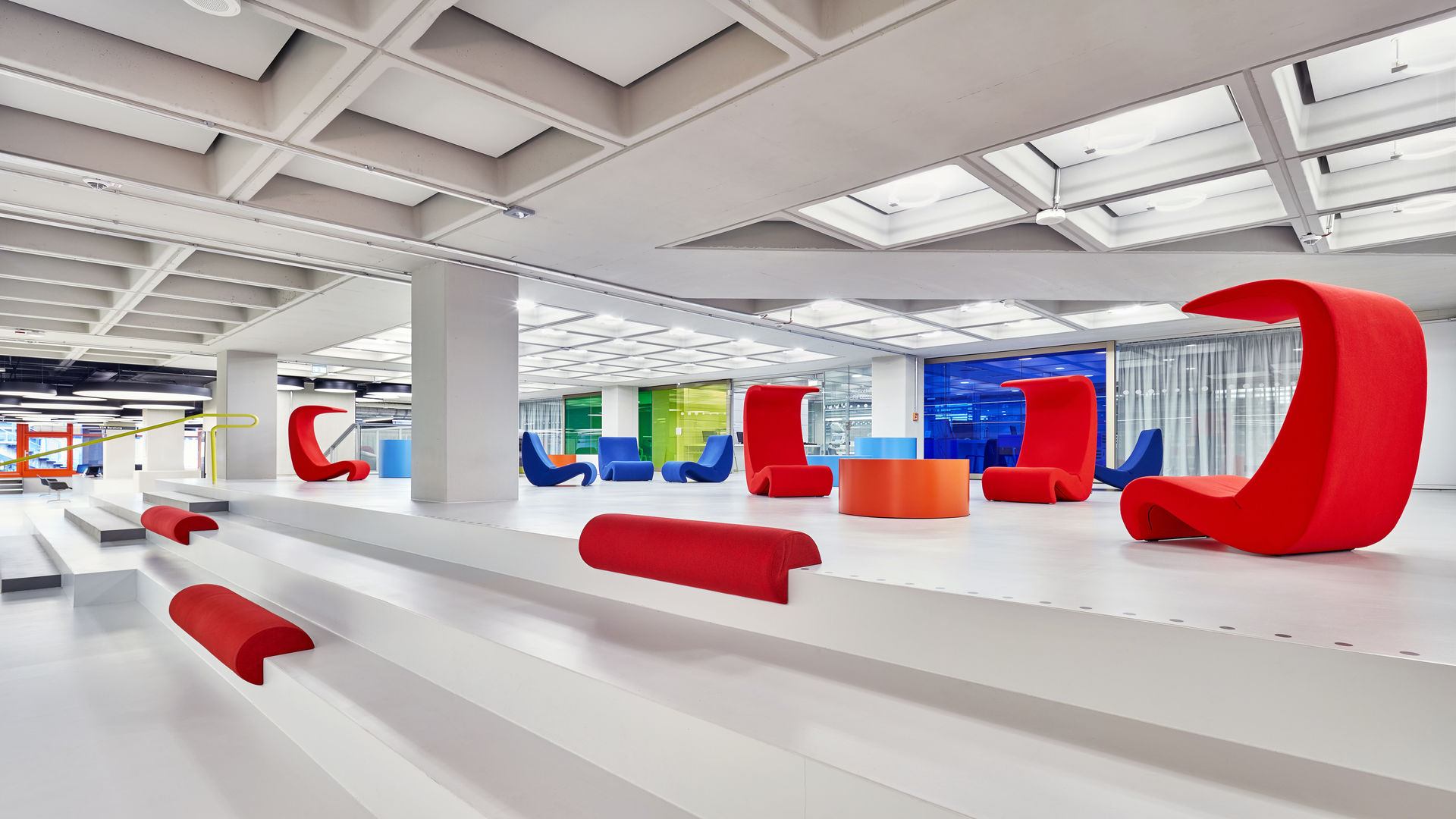
Inspired by organic shapes, soft environments, and the idea of immersive interiors, he designed the Amoebe series—part furniture, part environment. It was first introduced in experimental interior installations where entire rooms were transformed into flowing, surreal landscapes of color and softness.
The Amoebe Chair was not meant to stand alone like traditional furniture. It was meant to belong to a world.
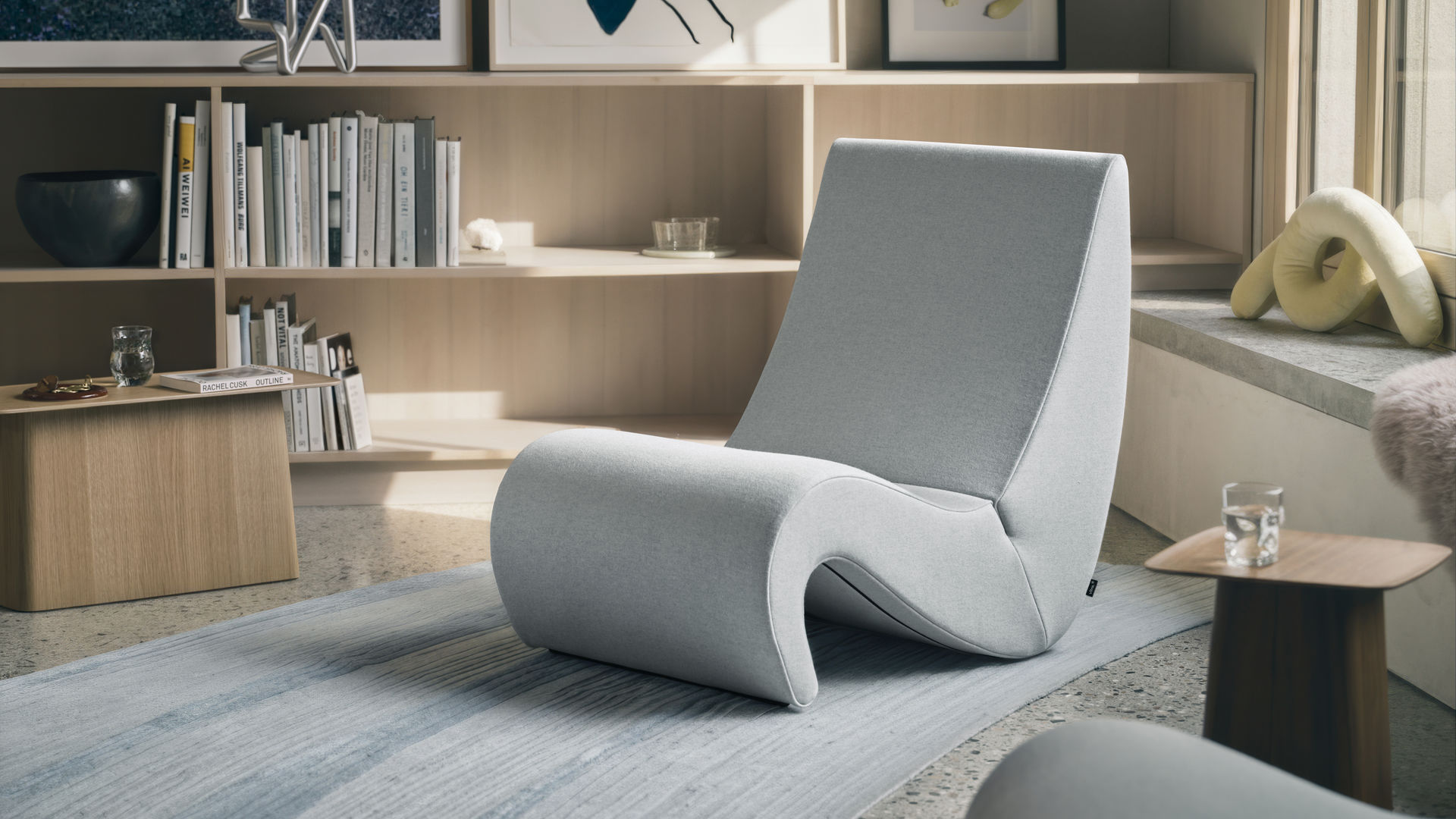
The First Time You See It
Imagine walking into a room where everything feels too straight, too controlled… and then you see it.
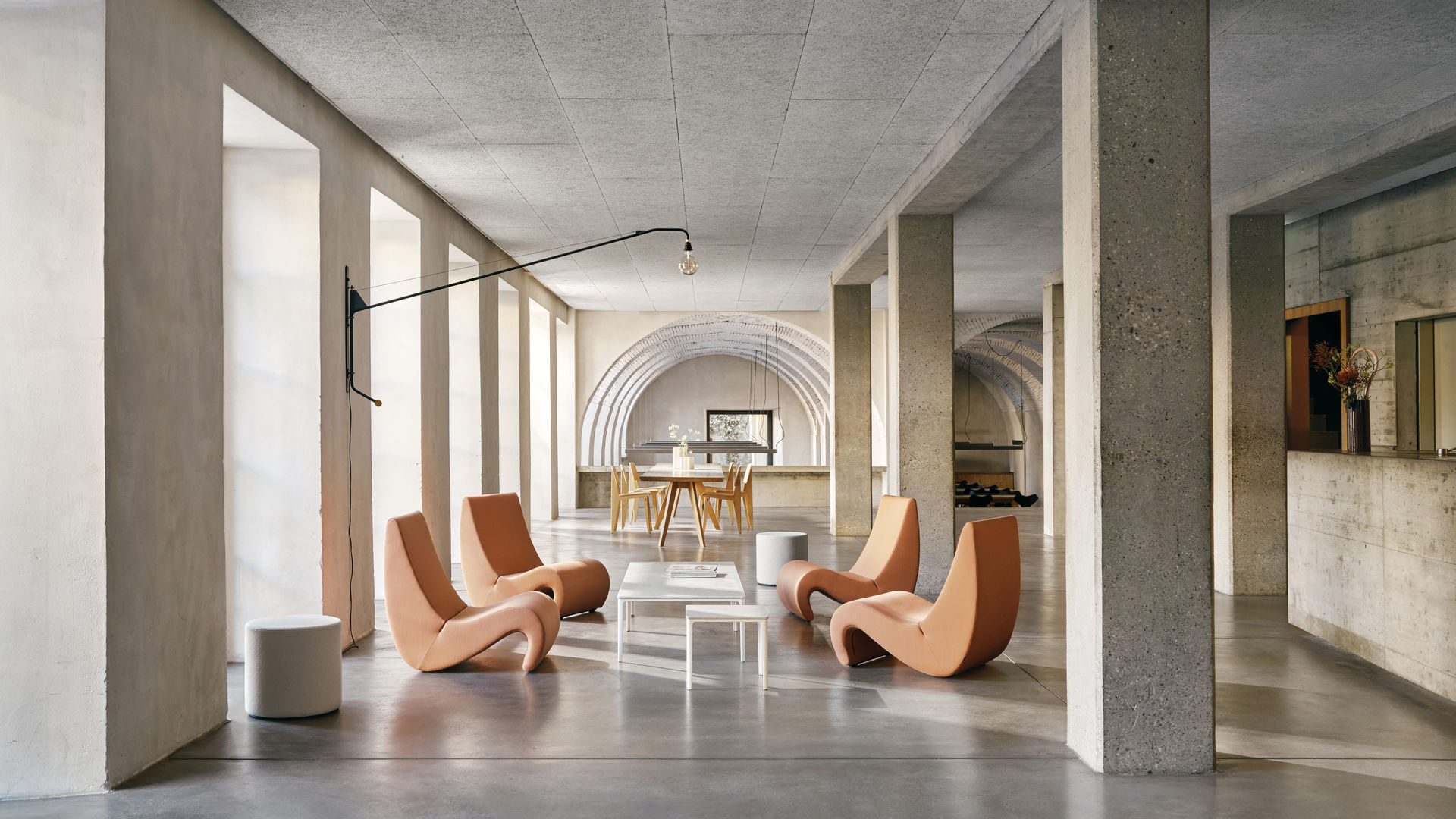
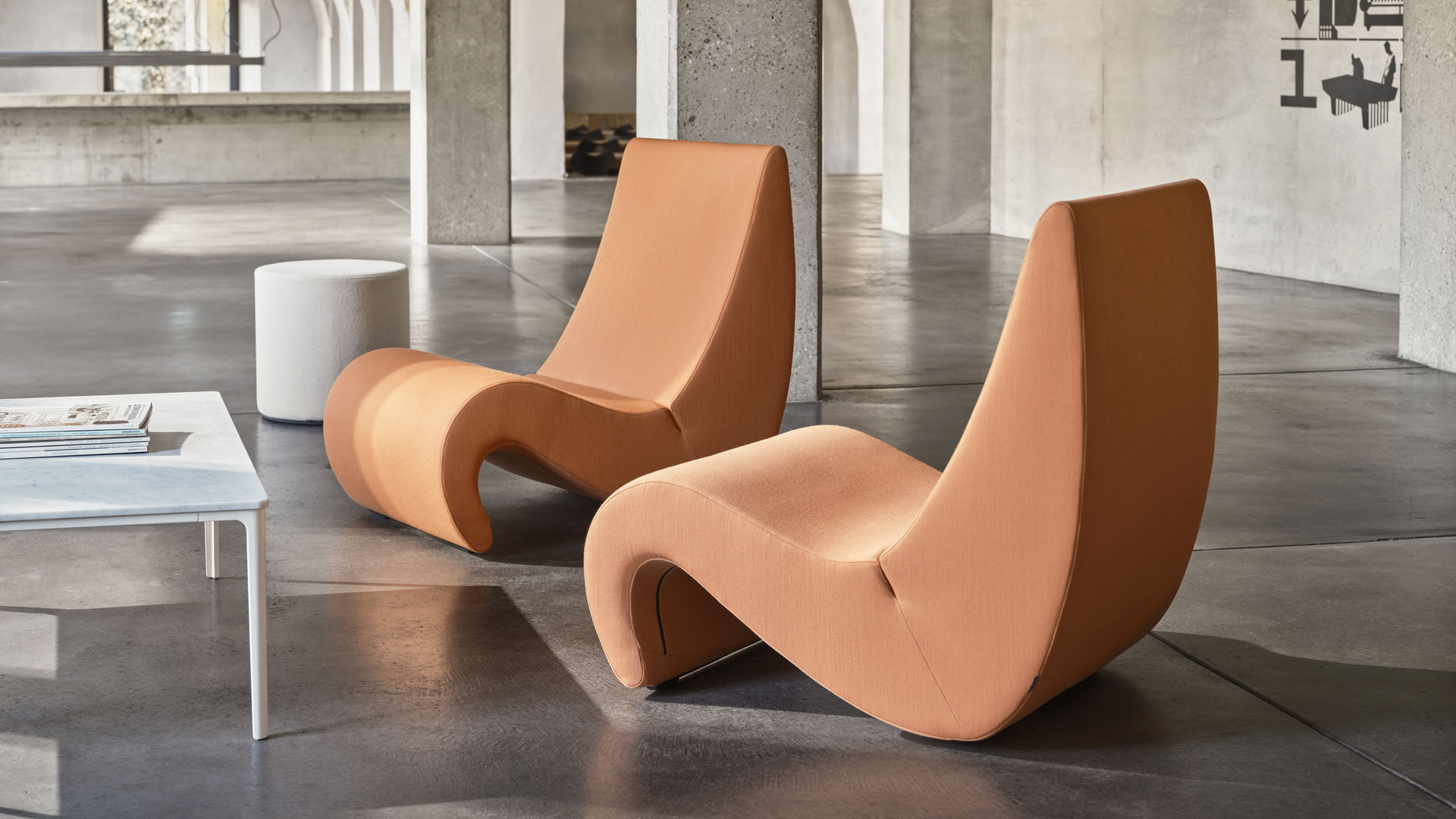
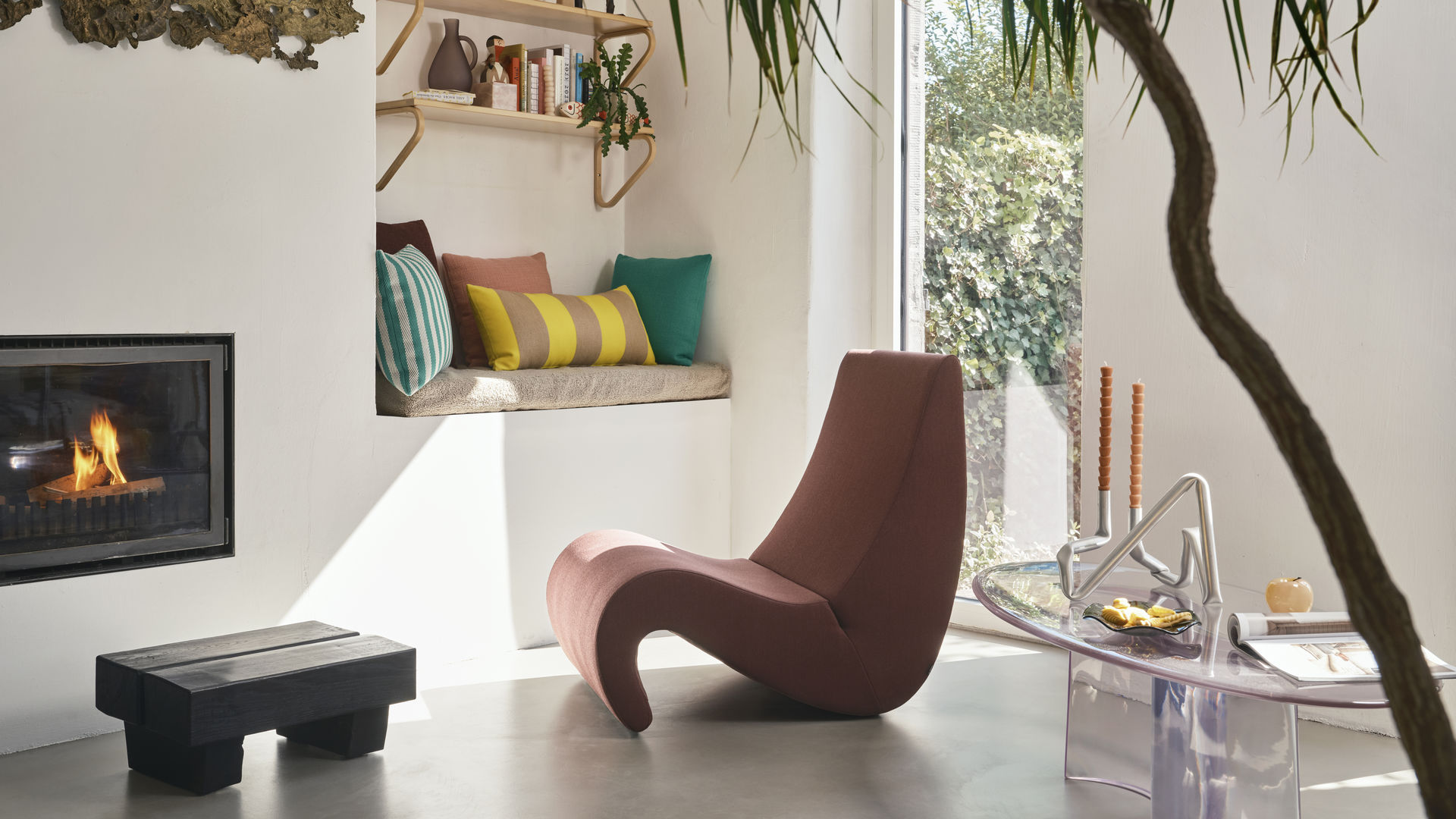
The Amoebe Chair doesn’t sit like other chairs. It spills gently into space. Its curves feel almost alive, like a soft wave frozen mid-motion. There are no sharp corners, no rigid rules—only form that seems to breathe.
You don’t just look at it. You instinctively imagine yourself sinking into it.
That emotional reaction is exactly what made it iconic.
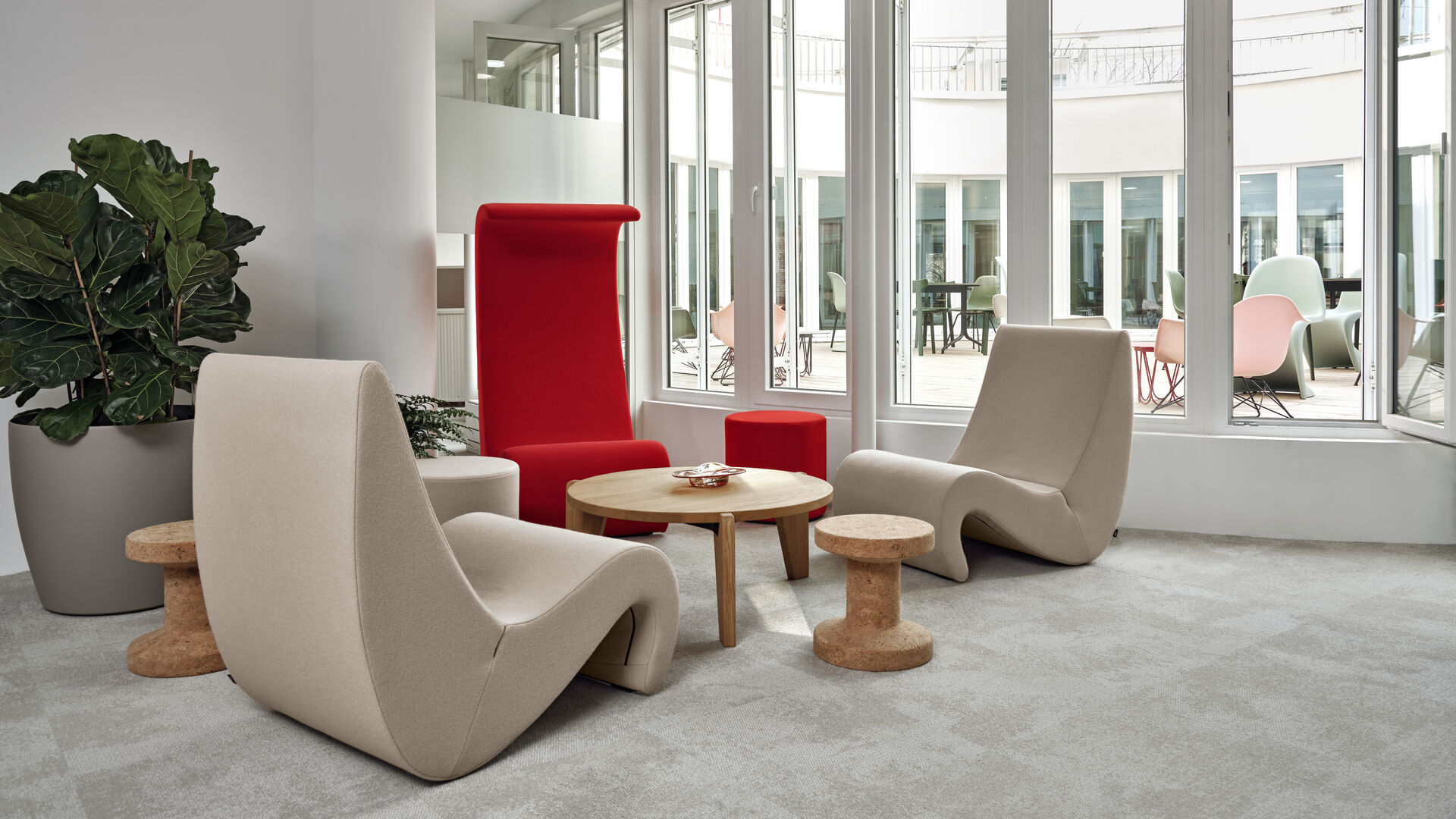
From Experimental Design to Iconic Furniture
What began as an experimental idea soon became a lasting symbol of modern interior design.
Today, the Amoebe Chair is widely used in:
- Luxury residential interior design
- Modern lounge and living room concepts
- High-end hospitality spaces (hotels, resorts, lounges)
- Creative studios and conceptual office interiors
- Retro-modern themed interior projects
Its ability to remain relevant across decades proves the strength of its design language.
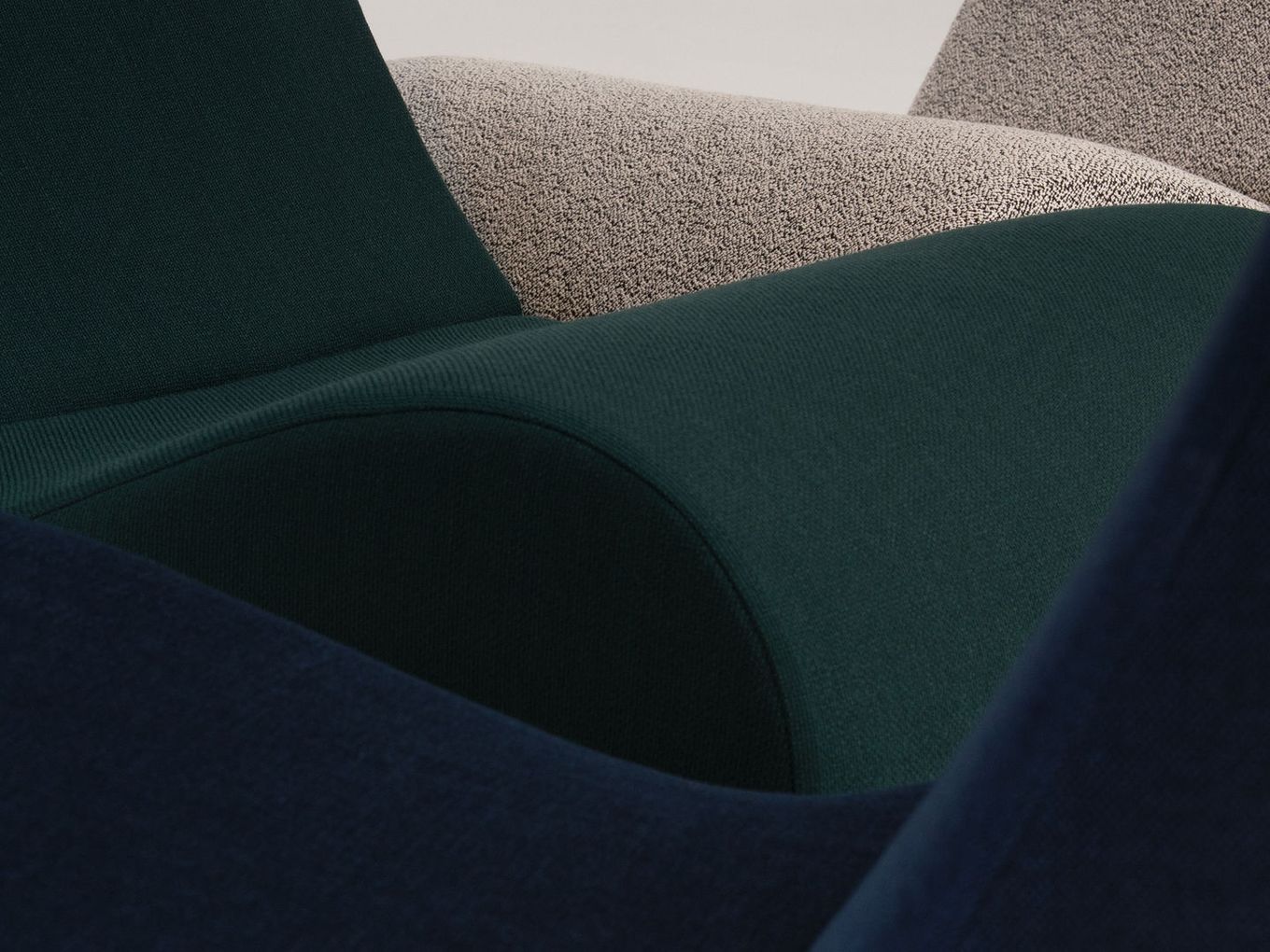
Why the Amoebe Chair Still Matters Today
In today’s fast-moving design world, trends change quickly. Yet the Amoebe Chair continues to stand out because it offers something timeless—emotional comfort through form.
Designers choose it when they want to:
- Introduce organic shapes into minimalist interiors
- Create a sculptural focal point without visual heaviness
- Build a relaxed, lounge-style atmosphere
- Add a retro-futuristic design element
- Elevate luxury interior styling with iconic furniture
It is not just seating—it is a design expression.
Final Story Reflection
The story of the Amoebe Chair is not just about furniture design. It is about a moment in history when designers stopped asking, “How should a chair look?” and started asking, “How should space feel?”
Thanks to the vision of Verner Panton and the design philosophy of Vitra, the Amoebe Chair continues to remind us that good design is not only seen—it is experienced.
And sometimes, the most powerful designs are the ones that feel less like objects… and more like places you can disappear into.
Explore more story regarding Amoebe Chair here: Amoebe | Official Vitra® Website AS
↵Back to Design