Essential Elements of Interior Styling: A Complete Guide to Soft Furnishing Design
Essential Elements of Interior Styling: A Complete Guide to Soft Furnishing Design
Interior design is more than just creating a functional layout—it’s about crafting an atmosphere that reflects lifestyle, personality, and comfort. While architectural structure forms the foundation, it is the Essential Elements of Interior Styling — also known as soft furnishing design—that bring a space to life. From modern condominiums to luxury landed homes and contemporary office spaces, mastering interior styling allows you to transform any environment into a refined, cohesive, and inviting space.
What is Interior Styling (Soft Furnishing Design) ?
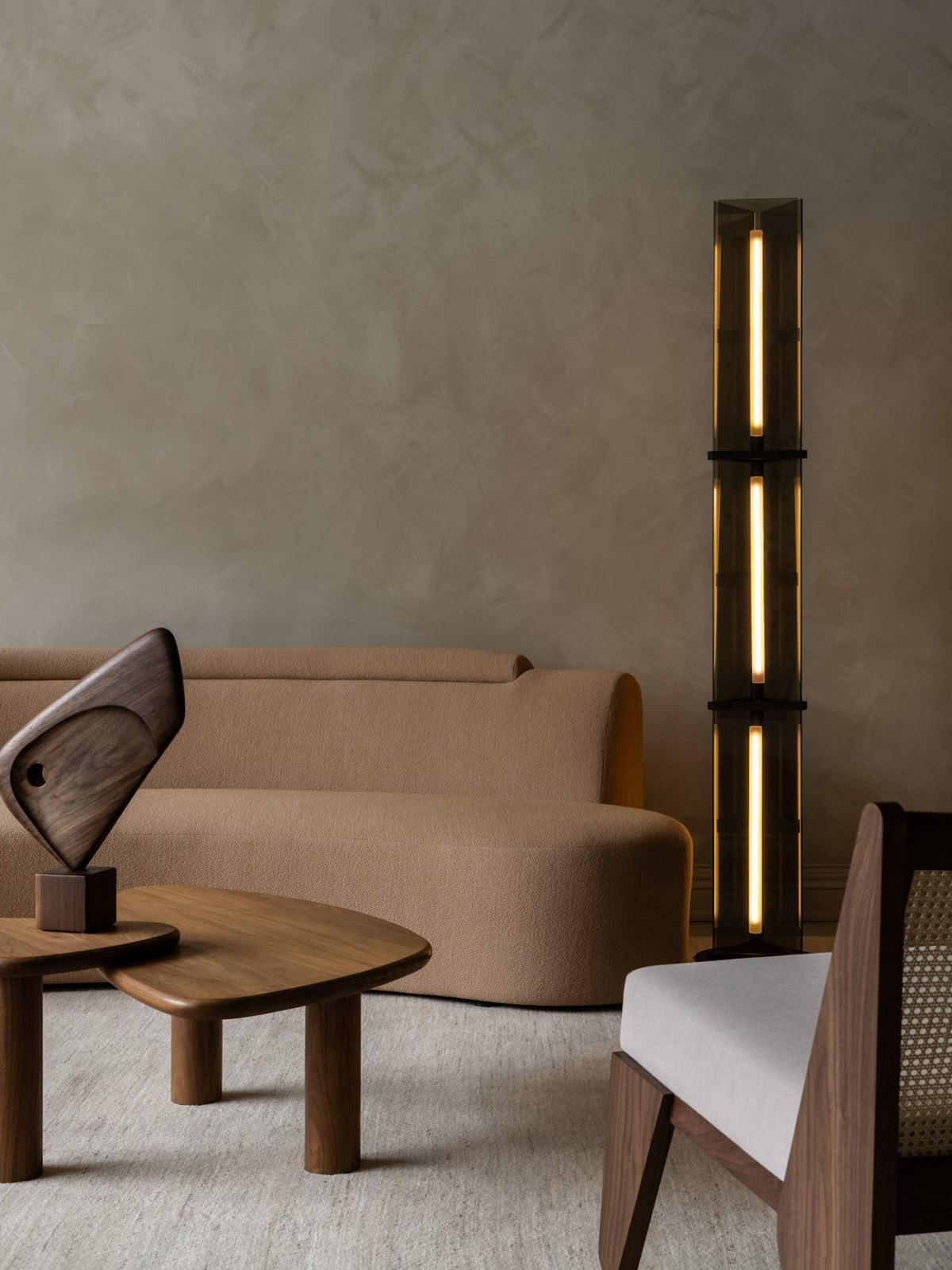
Interior styling focuses on the visual and sensory layers of a space. Unlike renovation or structural design, styling involves movable elements such as furniture, textiles, lighting, and decorative accessories.
It is the final stage that turns a “house” into a “home” and an “office” into a branded experience.
1. Color Palette: The Emotional Foundation of Design
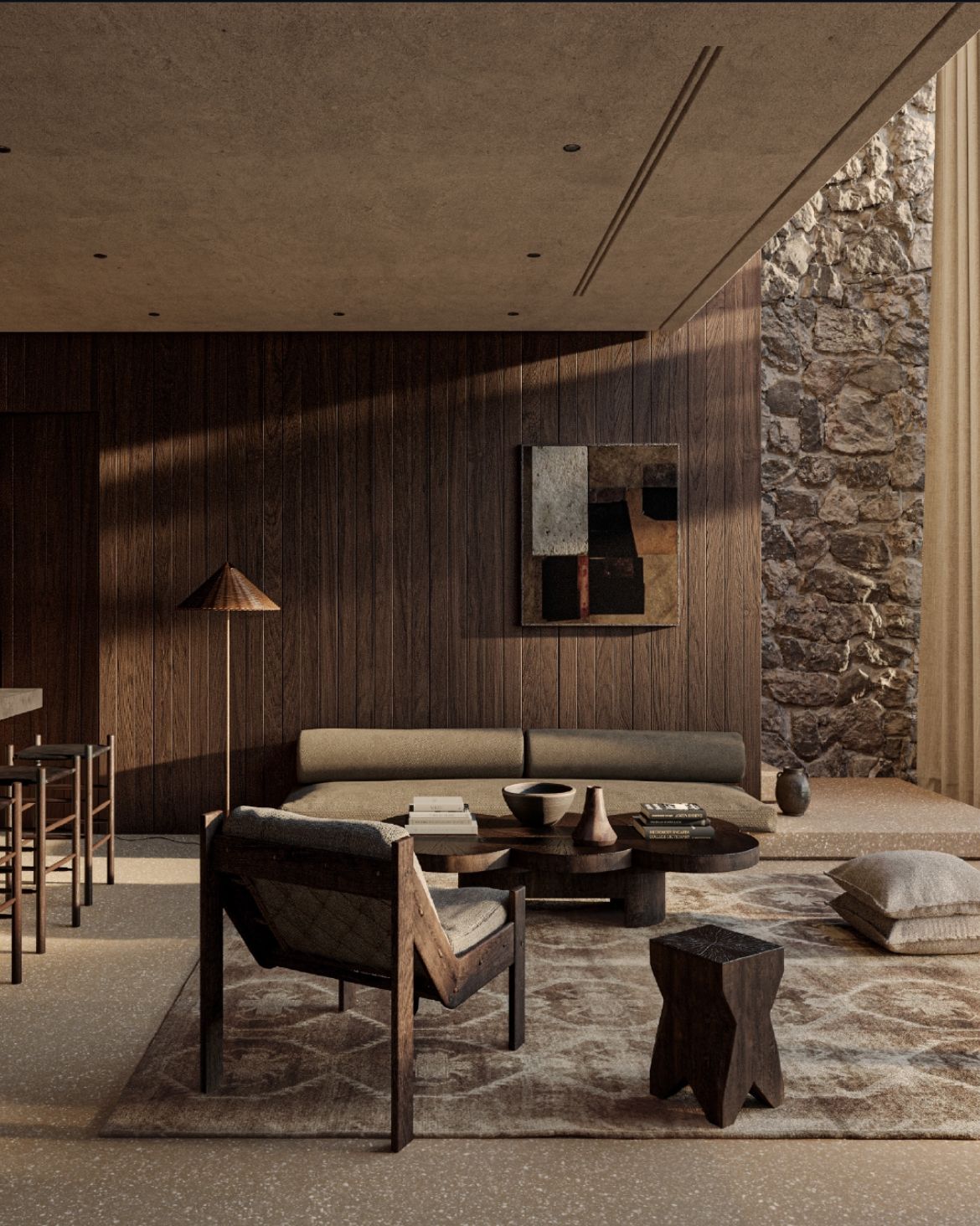
Color is one of the most powerful tools in interior styling. It sets the emotional tone and influences how a space is perceived.
- Warm tones (beige, taupe, earthy shades) create a cozy and welcoming atmosphere
- Cool tones (grey, blue, soft green) evoke calmness and modern elegance
- Accent colors add contrast and visual interest
A well-balanced palette often follows the 60-30-10 rule:
- 60% dominant color
- 30% secondary color
- 10% accent color
This principle ensures harmony without overwhelming the space.
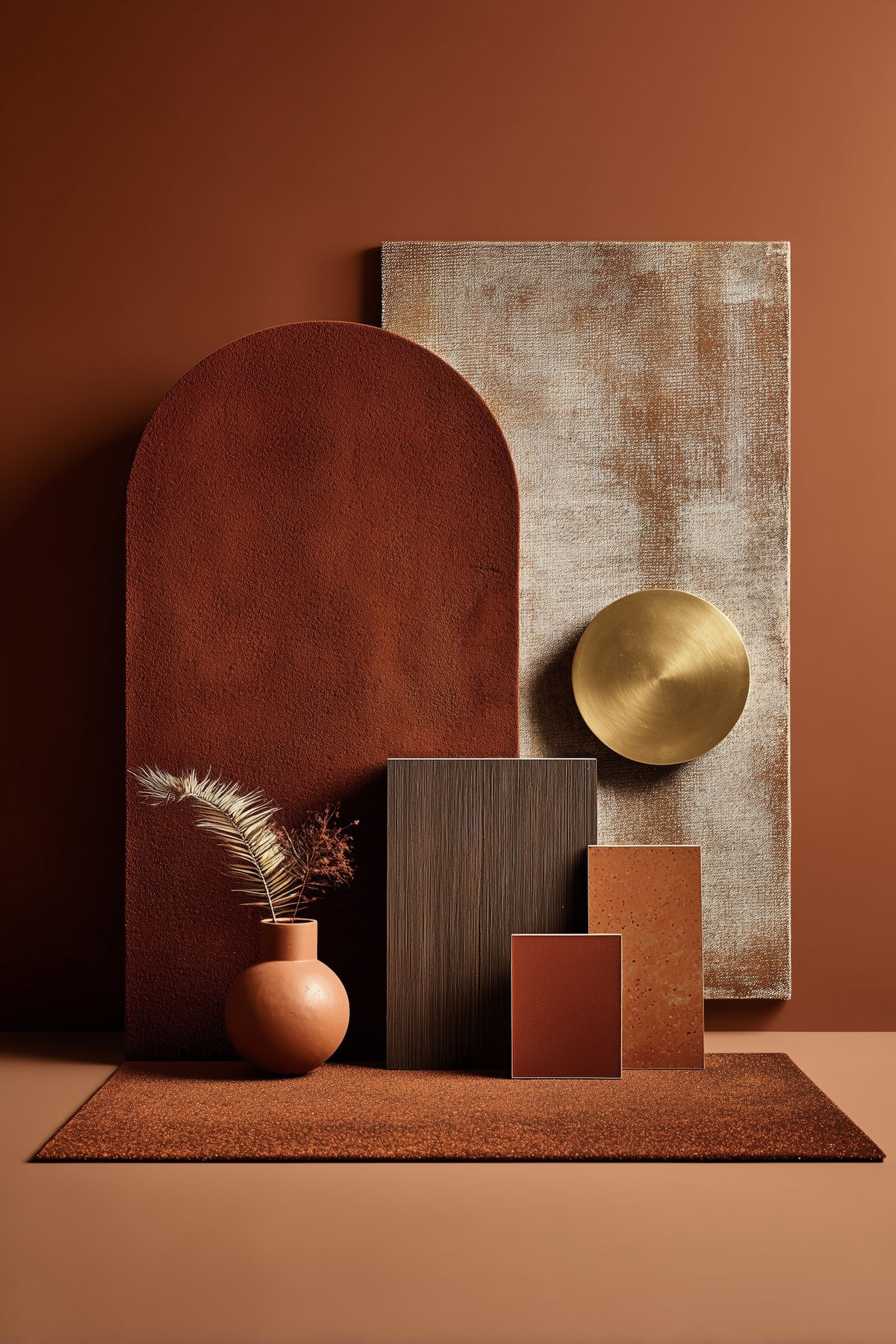
2. Textures & Materials: Adding Depth and Warmth
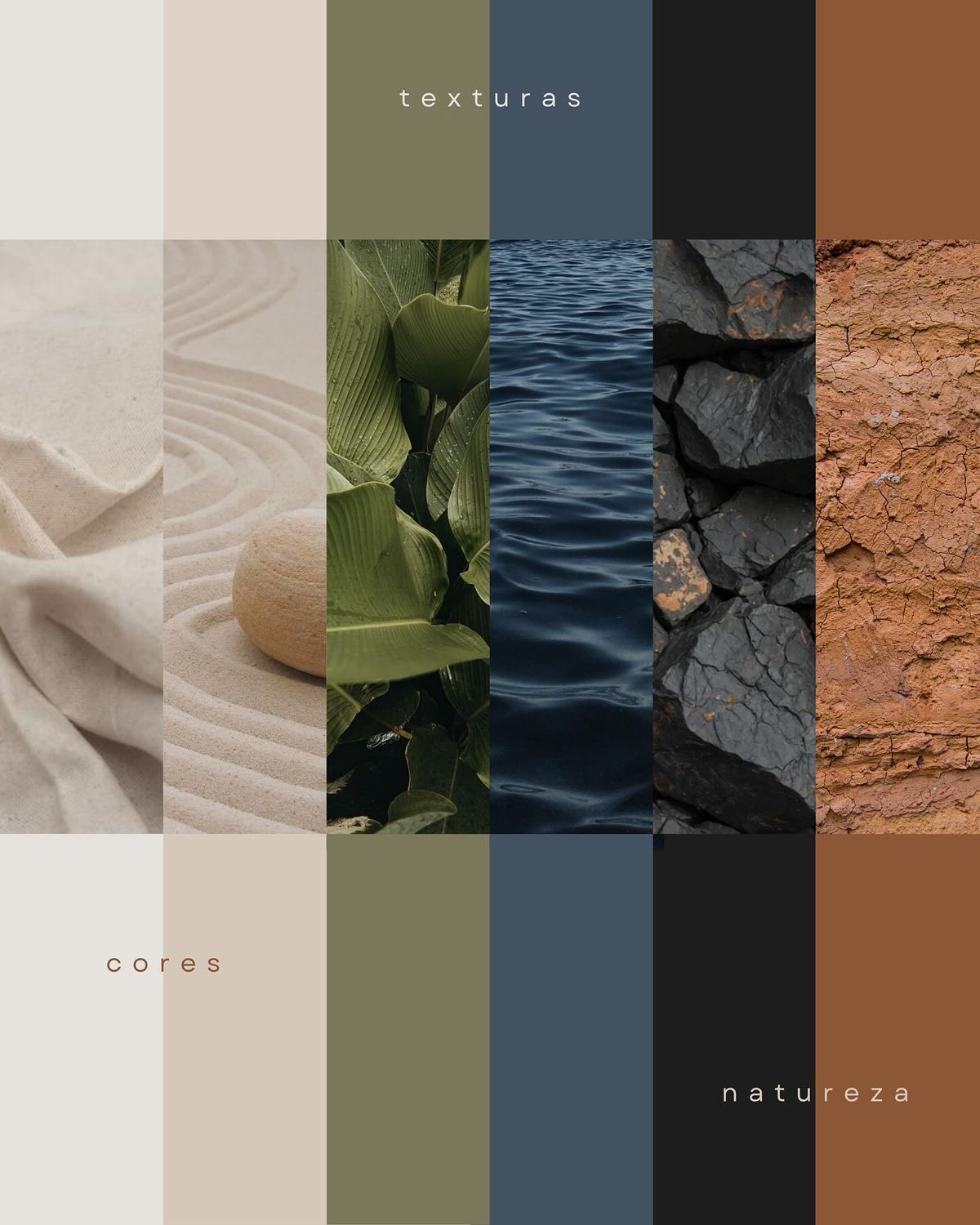
A space without texture feels flat. Combining different materials—such as wood, fabric, metal, glass, and stone—creates visual interest and tactile richness.
Soft furnishings like rugs, curtains, cushions, and throws help soften the space while enhancing comfort. Layering textures is one of the most important essential elements of interior styling.
3. Furniture Selection: The Core of Function and Style
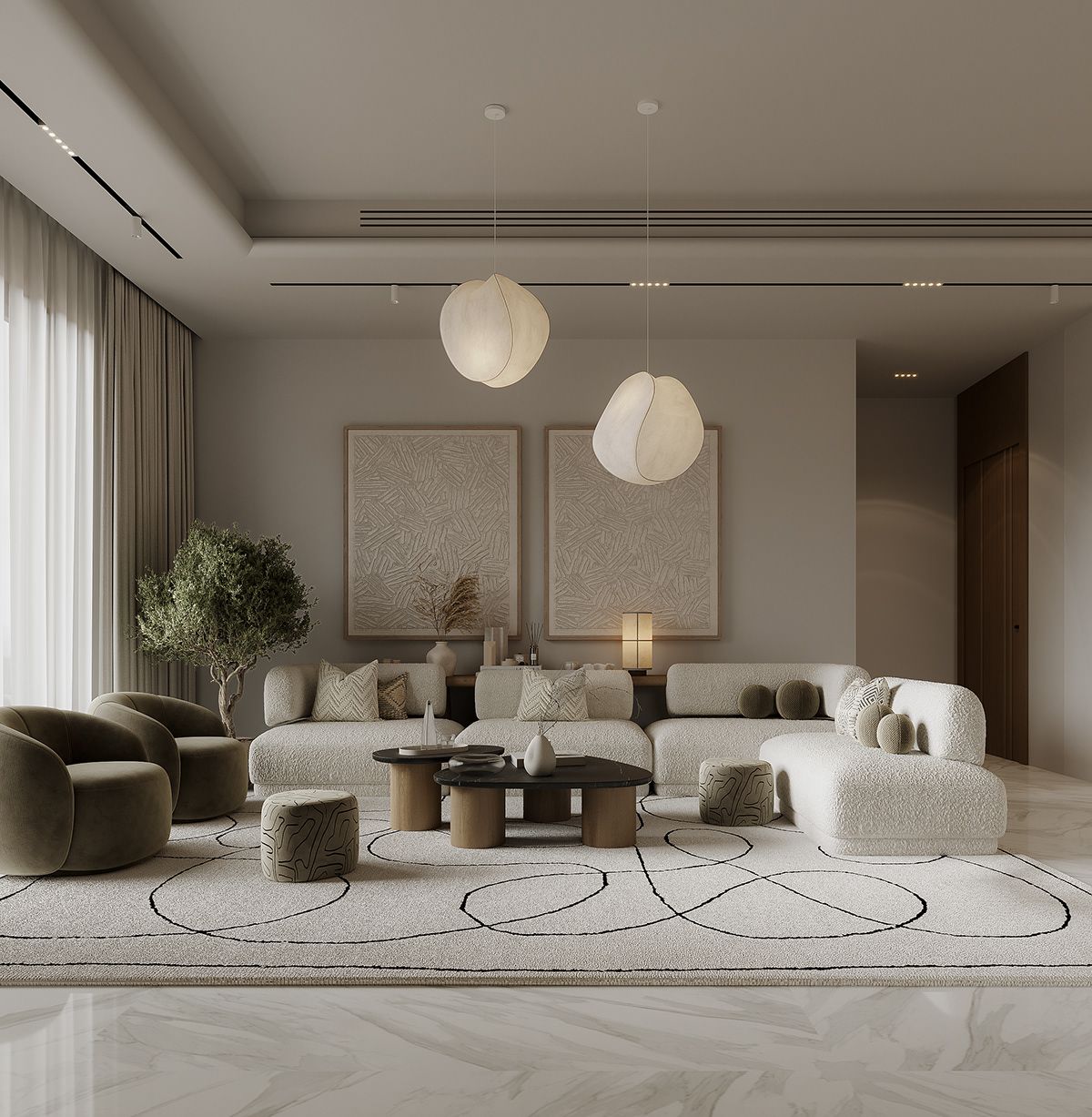
Furniture anchors the space both visually and functionally. Choosing the right pieces is not just about aesthetics—it’s about proportion, usability, and flow.
Key considerations:
- Scale & proportion: Avoid oversized furniture in compact spaces
- Functionality: Multi-purpose furniture works best for modern living
- Design consistency: Stick to a clear theme (modern, minimalist, Scandinavian, contemporary luxury)
In interior styling, less is often more. A curated selection of quality pieces creates a more sophisticated result than overcrowding the space.
4. Lighting Design: The Invisible Game-Changer
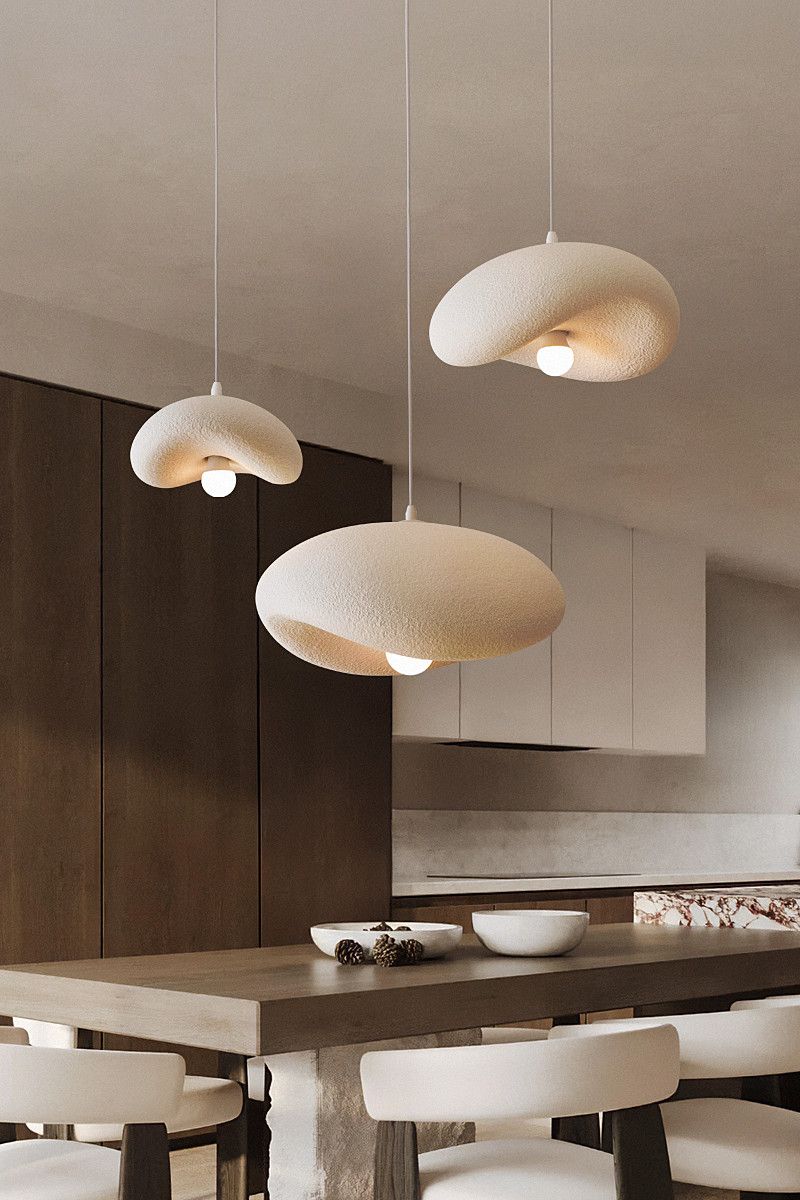
Lighting is often underestimated, yet it dramatically impacts the overall ambience.
A well-designed lighting plan includes three layers:
- Ambient lighting (general illumination)
- Task lighting (focused lighting for work or reading)
- Accent lighting (highlighting artwork, textures, or architectural features)
Warm lighting creates a cozy environment, while cooler lighting enhances productivity—making lighting especially important for mixed-use spaces like home offices.
Decorative fixtures such as pendant lights or table lamps also act as design statements.
5. Accessories & Decor: Storytelling Through Details
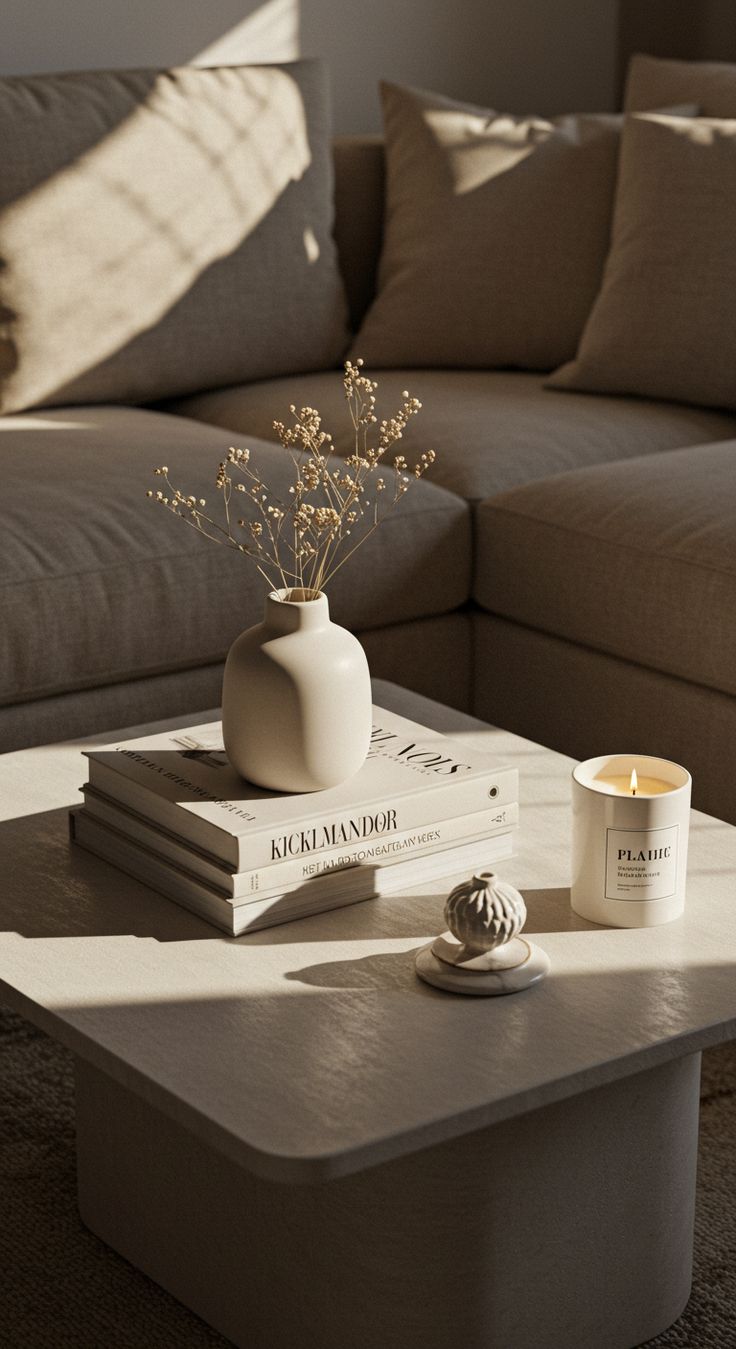
Accessories are what make a space unique and personal. They transform a generic interior into a curated living experience.
Popular styling elements include:
- Artwork and wall decor
- Indoor plants for a natural touch
- Decorative objects (vases, books, sculptures)
- Cushions and throws for added comfort
The key principle here is curation over clutter. Each piece should have intention and contribute to the overall design story.
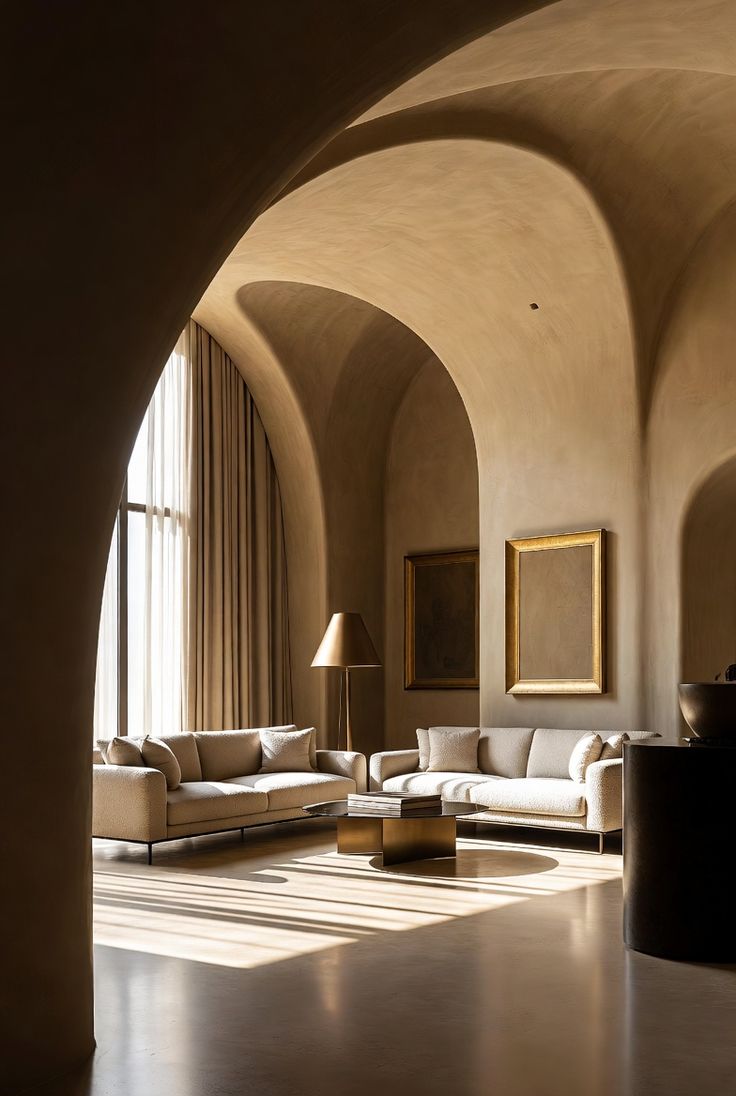
6. Spatial Balance & Proportion: The Art of Harmony
Even the best furniture and decor can fail without proper spatial balance.
A well-styled space considers:
- Visual weight distribution
- Symmetry vs asymmetry
- Adequate breathing space between elements
For example, pairing a large sofa with a proportionate rug and coffee table creates visual stability, while leaving enough circulation space ensures functionality.
This is one of the most overlooked yet crucial essential elements of interior styling.
7. Layering: The Designer’s Secret Technique
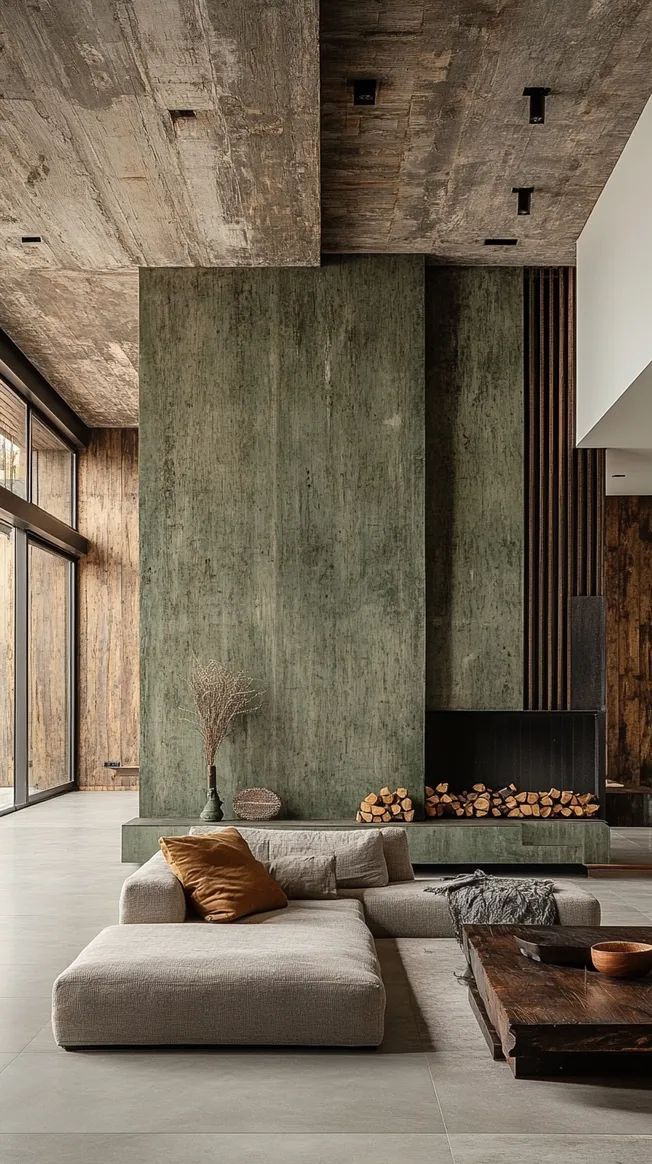
Professional interior styling often comes down to one advanced technique—layering.
Layering involves building the design gradually:
- Base layer (walls, flooring, large furniture)
- Secondary layer (textiles, rugs, curtains)
- Final layer (accessories, lighting, decor accents)
This approach creates depth, richness, and a high-end, magazine-worthy look.
8. Lifestyle Integration: Designing for Real Living
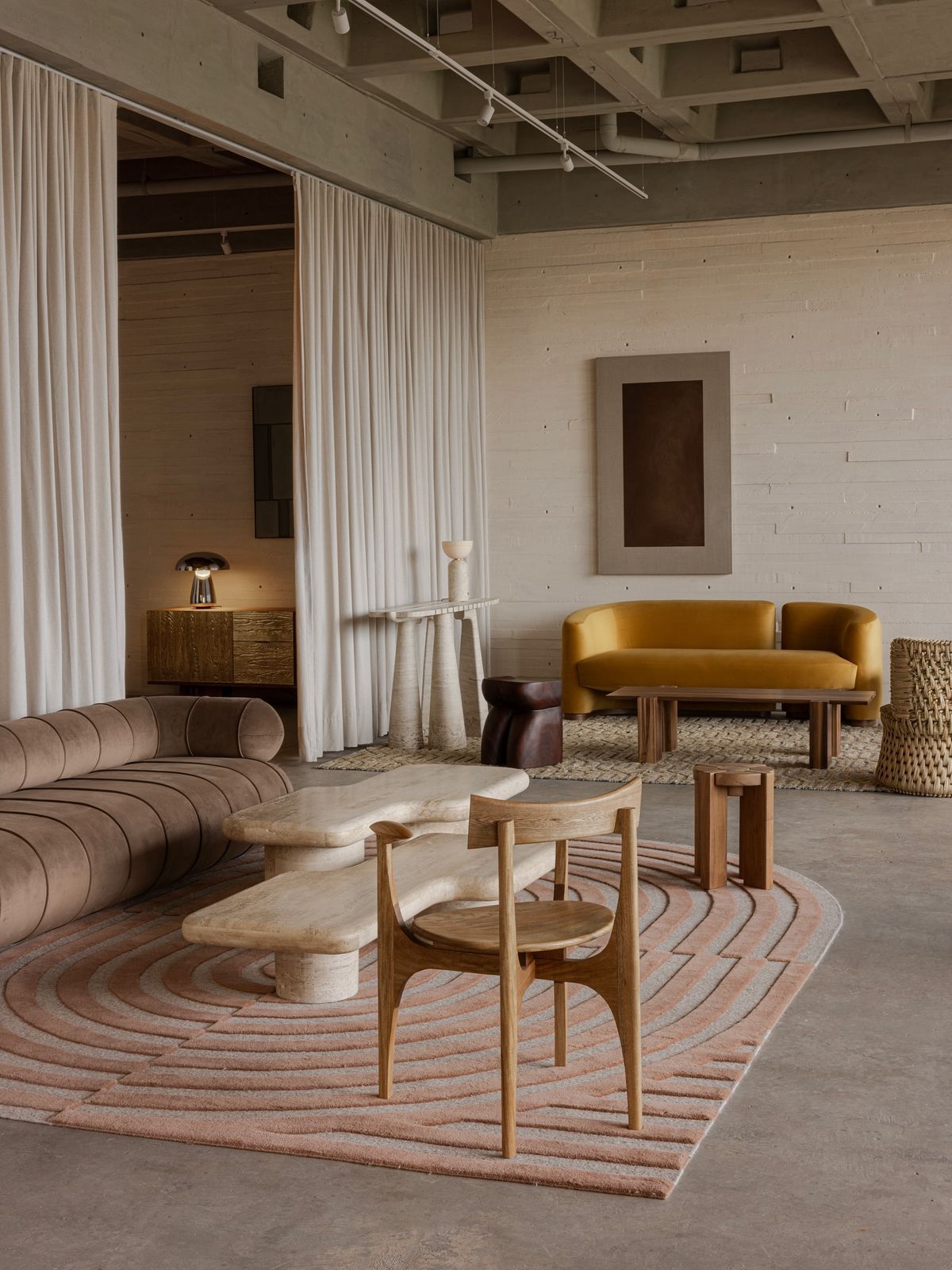
A beautifully styled space must also reflect the lifestyle of its users.
- Families may prioritize durability and storage
- Professionals may need functional workspaces
- Luxury homeowners may focus on statement aesthetics
Interior styling is not just about appearance—it’s about enhancing daily living.
Conclusion: Elevating Spaces Through Interior Styling
Understanding and applying the Essential Elements of Interior Styling allows you to create spaces that are not only visually stunning but also deeply functional and meaningful. From selecting the right color palette to mastering textures, lighting, and spatial balance, each element plays a critical role in shaping the overall experience of a space.
Whether you are styling a new home, upgrading an existing interior, or designing a commercial environment, thoughtful soft furnishing design is what ultimately defines the success of the project. If you are looking to transform your home or workspace with professional interior styling, our team offers comprehensive solutions—from concept design to final styling.
With over 18 years of experience in interior design and renovation across Johor Bahru and Singapore, we specialize in creating personalized, high-quality interiors tailored to your lifestyle.
Explore Our Work:
Get in Touch:
For bespoke interior solutions tailored to your lifestyle and cultural preferences, contact us at +6011-5755 0549. Let’s turn your vision into a crafted reality.
↵Back to Design