Understanding Texture in Interior Design: Elevating Spaces with Depth and Sensory Appeal
Understanding Texture in Interior Design: Elevating Spaces with Depth and Sensory Appeal
In the world of interior design, texture is one of the most powerful yet often overlooked elements. While color and layout define the overall look, texture in interior design brings a space to life—adding depth, character, and a rich sensory experience. Whether you’re designing a modern home, a luxury office, or a cozy retreat, mastering texture can transform a flat space into a visually engaging environment.

What is Texture in Interior Design?
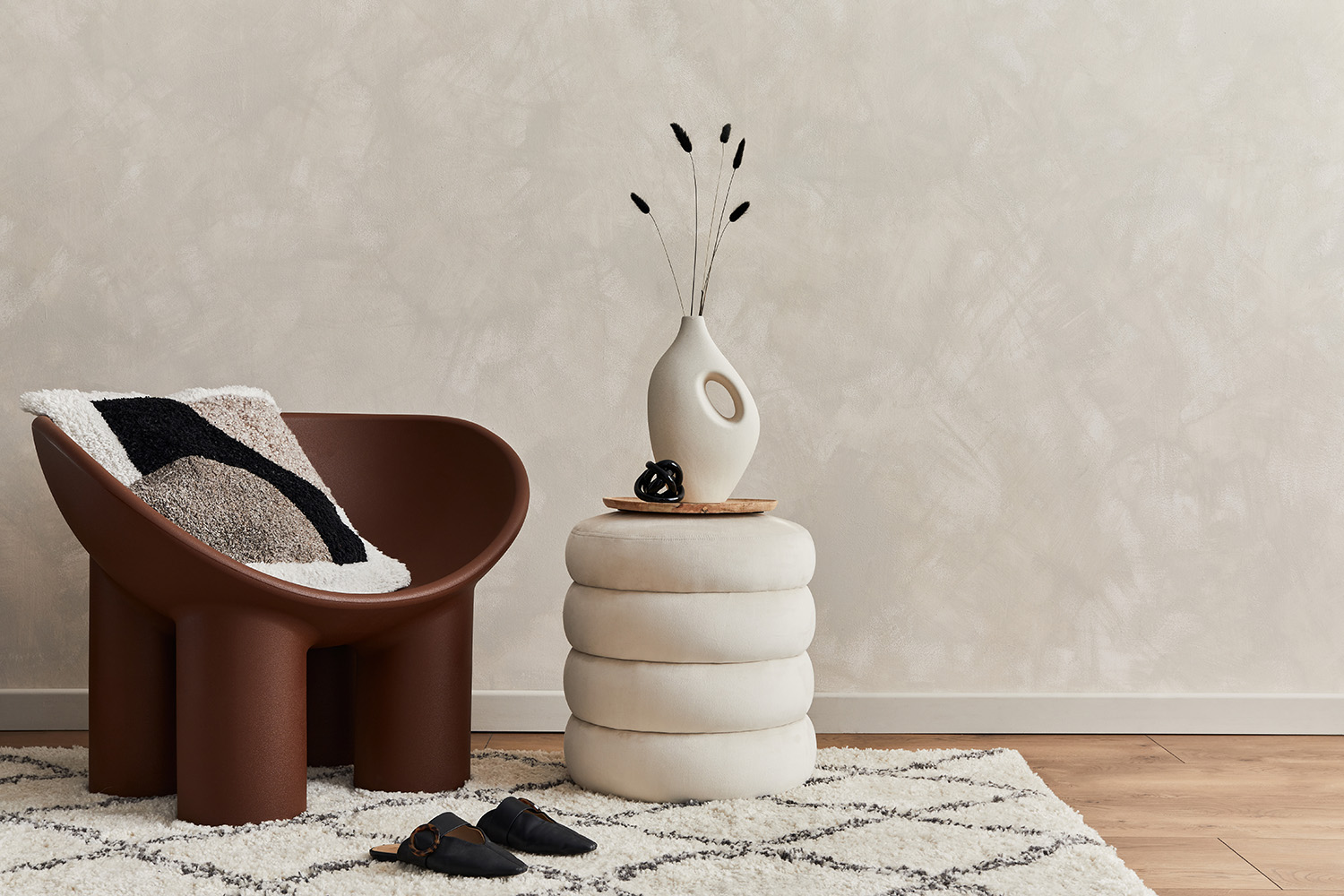
Texture in interior design refers to the surface quality of materials—how they look and feel. It can be tactile (physically felt) or visual (perceived by the eye). From smooth marble countertops to rough stone walls, every material contributes to the overall texture palette of a space.
- Tactile Texture: Physical surfaces like wood grain, velvet upholstery, or exposed brick.
- Visual Texture: Patterns and finishes that create the illusion of texture, such as wallpaper or laminates.

Why Texture Matters in Interior Design
Incorporating texture is essential for creating a balanced and inviting interior. Here’s why:
- Adds Depth and Dimension - A room without texture can feel flat and lifeless. Layering different materials introduces contrast and visual interest, making the space more dynamic.
- Enhances Comfort and Warmth - Soft textures like fabric, rugs, and cushions make a space feel cozy and welcoming—especially in residential interior design.
- Defines Style and Mood - Sleek surfaces create a modern, minimalist feel, while natural textures evoke an organic and calming environment. Meanwhile, rich fabrics introduce a sense of luxury and elegance, elevating the overall atmosphere.
- Creates Visual Balance - Mixing rough and smooth, matte and glossy finishes ensures harmony within the design.

Types of Texture in Interior Design
Understanding different types of textures helps designers create well-balanced interiors:
- Natural Textures - Materials like wood, stone, rattan, and linen bring warmth and authenticity. These are widely used in modern tropical interior design and Scandinavian interiors.
- Artificial Textures - Engineered materials such as laminates, glass, metal, and epoxy finishes offer versatility and durability—ideal for contemporary spaces.
- Soft Textures - Fabrics like velvet, silk, cotton, and wool enhance comfort and luxury, commonly used in sofas, curtains, and bedding.
- Hard Textures - Surfaces such as concrete, tiles, metal, and stone provide structure and contrast.

How to Use Texture in Interior Design
To effectively incorporate texture in interior design, consider these professional tips:
- Layer Different Materials - Combine wood, fabric, metal, and stone within a single space. For example, pair a wooden dining table with upholstered chairs and a metal light fixture.
- Mix Finishes - Balance matte and glossy surfaces. A polished marble floor can be softened with a textured rug.
- Use Textiles Strategically - Curtains, cushions, and carpets are the easiest way to introduce texture without major renovation.
- Feature Walls and Panels - Wood panels, fluted designs, or stone cladding create focal points and enhance visual texture.
- Consider Lighting - Lighting highlights textures by creating shadows and depth, especially on textured walls and surfaces.


Texture in Different Interior Design Styles
- Modern Interior Design: Focuses on clean lines with subtle textures like matte finishes and smooth surfaces.
- Luxury Interior Design: Combines rich textures such as marble, velvet, and metallic accents.
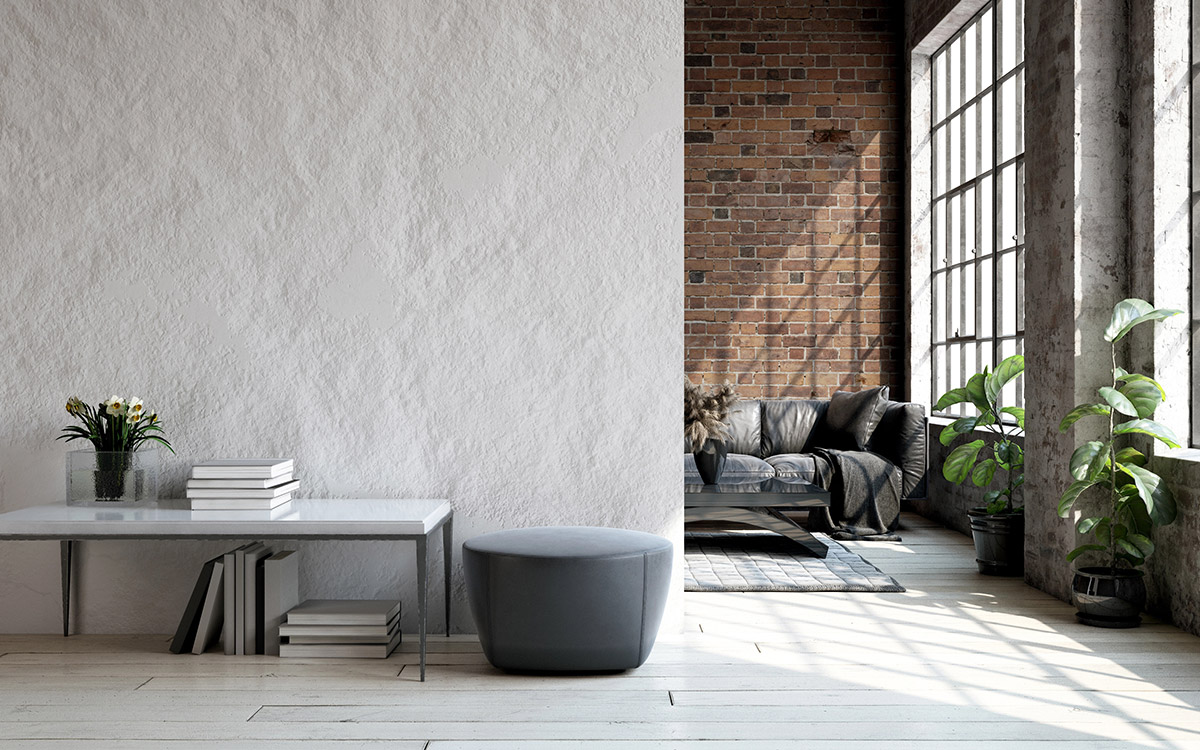
- Industrial Design: Emphasizes raw textures like concrete, brick, and steel.
- Minimalist Design: Uses limited textures but emphasizes contrast for visual interest.

Conclusion
Texture is more than just a decorative element—it is a fundamental component of successful interior design. By thoughtfully integrating a variety of textures, designers can create spaces that are visually engaging, emotionally comforting, and functionally effective.
Whether you are planning a home renovation in Malaysia, upgrading a commercial space, or exploring luxury interior design, mastering texture is key to elevating your space with depth and sensory appeal.
Explore Our Work:
Get in Touch:
For bespoke interior solutions tailored to your lifestyle and cultural preferences, contact us at +6011-5755 0549. Let’s turn your vision into a crafted reality.
↵Back to Design