
ARCHICRAFT DESIGN SDN. BHD.
(Co. Reg. No. 1432818-V / CIDB Reg. No. 0120211031-WP088652)


Building from the Ground Up: The Role of Piling, Drainage & Infrastructure in Construction
In every successful building project, there’s much more beneath the surface than meets the eye. Before walls are raised and interiors are crafted, essential groundwork—such as piling, drainage, and infrastructure—forms the bedrock of construction.
As a seasoned design and build firm in Johor Bahru, we begin every project by addressing these foundational systems, integrating them seamlessly into the building layout and the client’s architectural and interior design aspirations.
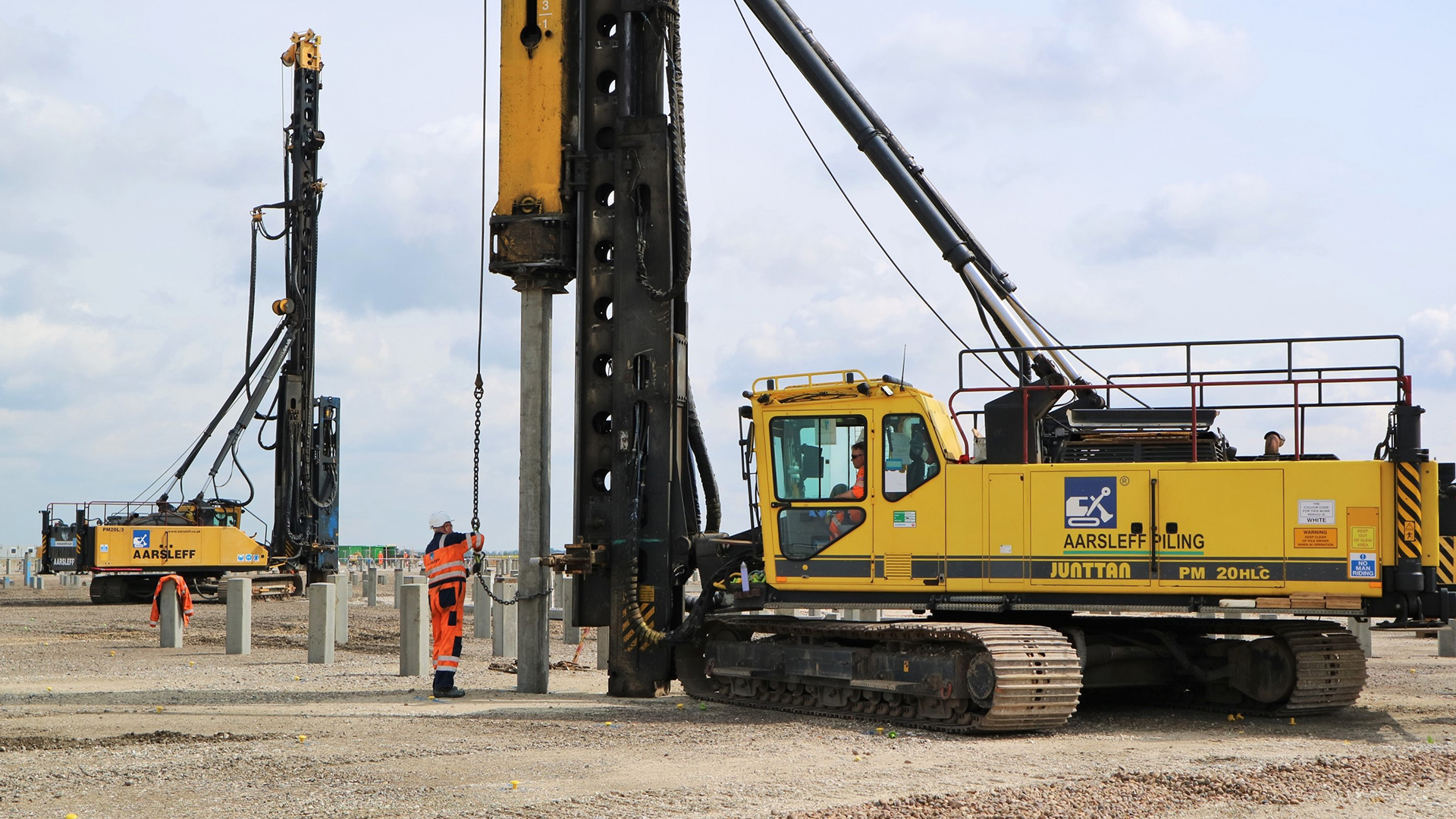
PILING: THE STRUCTURAL ANCHOR OF EVERY BUILDING
What Is Piling?
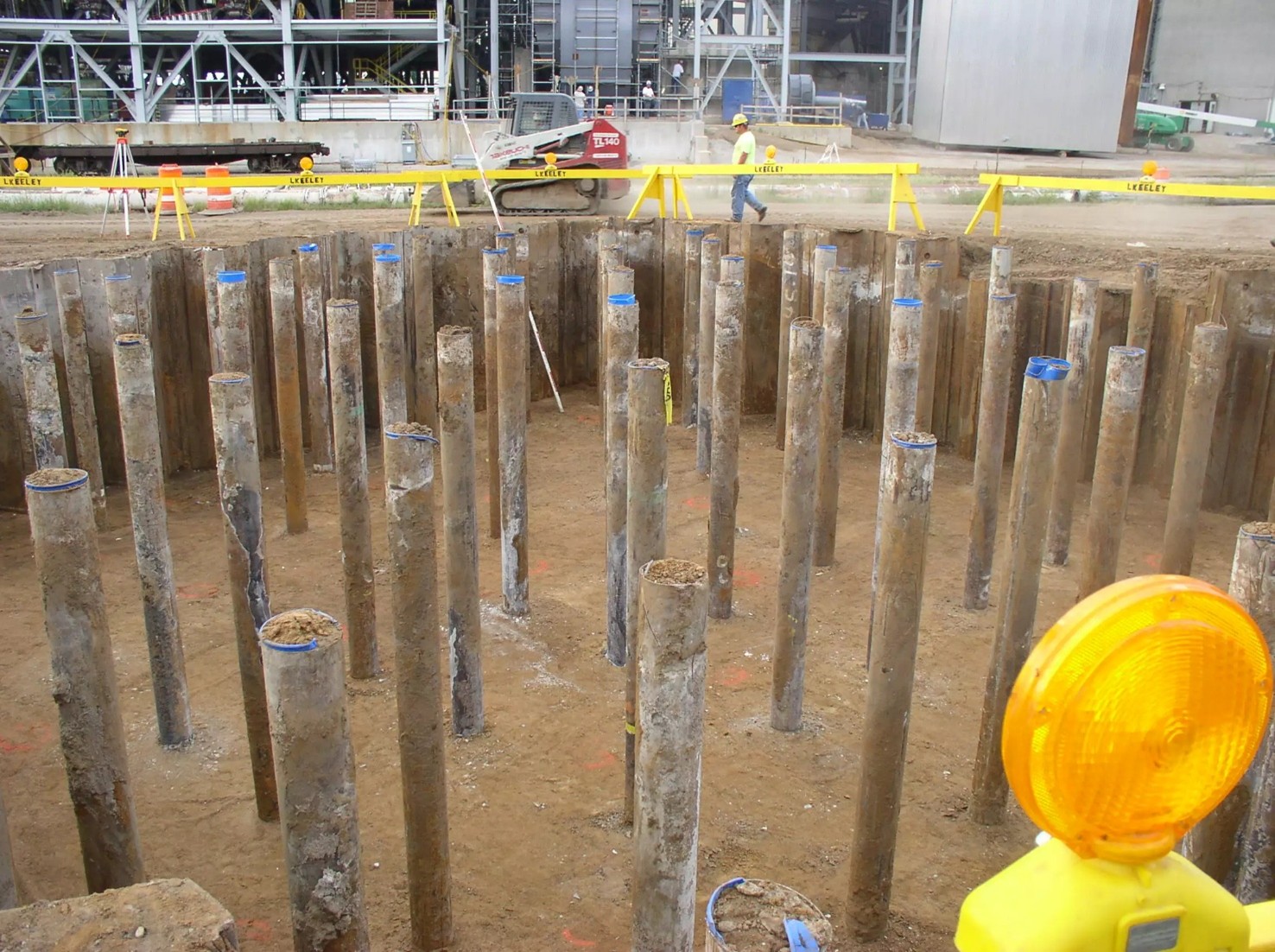
After conducting soil analysis, piling becomes the most important step in ensuring the structure is safe, stable, and built to last. Piling involves drilling or driving long, reinforced columns into the ground to support structures where soil conditions are weak or variable. The piles transfer the load of the building to deeper, more stable soil layers or bedrock, ensuring a solid and enduring foundation.
Why It Matters in Johor Bahru?
Soil conditions in Johor Bahru can vary widely—even within the same neighbourhood. Some areas have soft clay, which poses challenges for traditional shallow foundations. For bungalow construction or multi-Storey buildings, piling is essential to prevent foundation shifting, cracking, or collapse over time.
Without piling, buildings may suffer from:
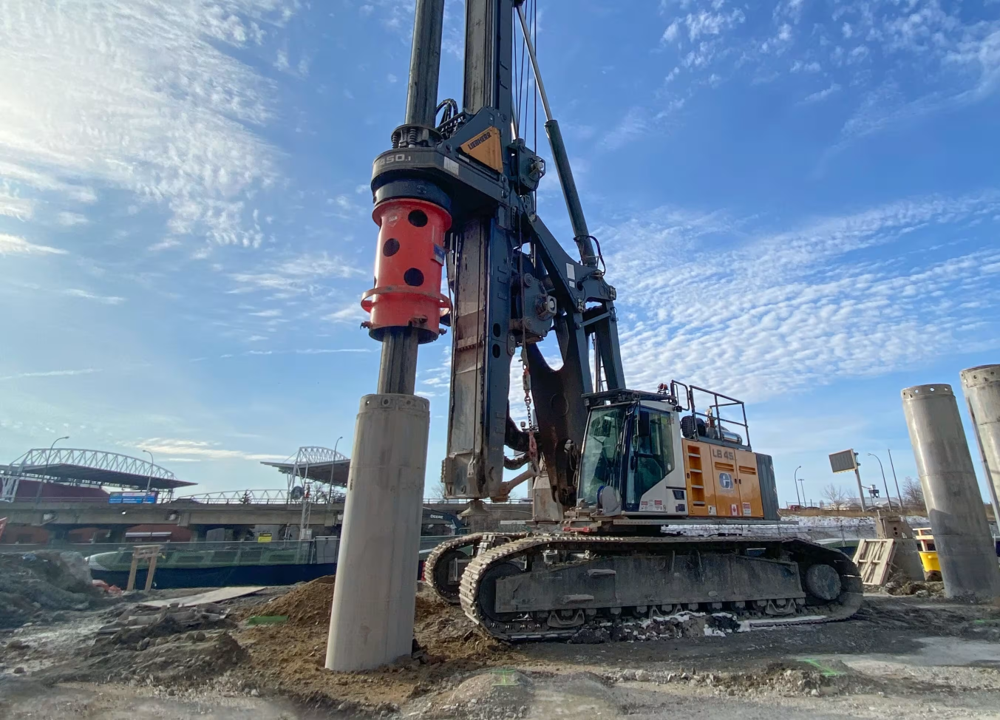
Types of Piling Commonly Used:
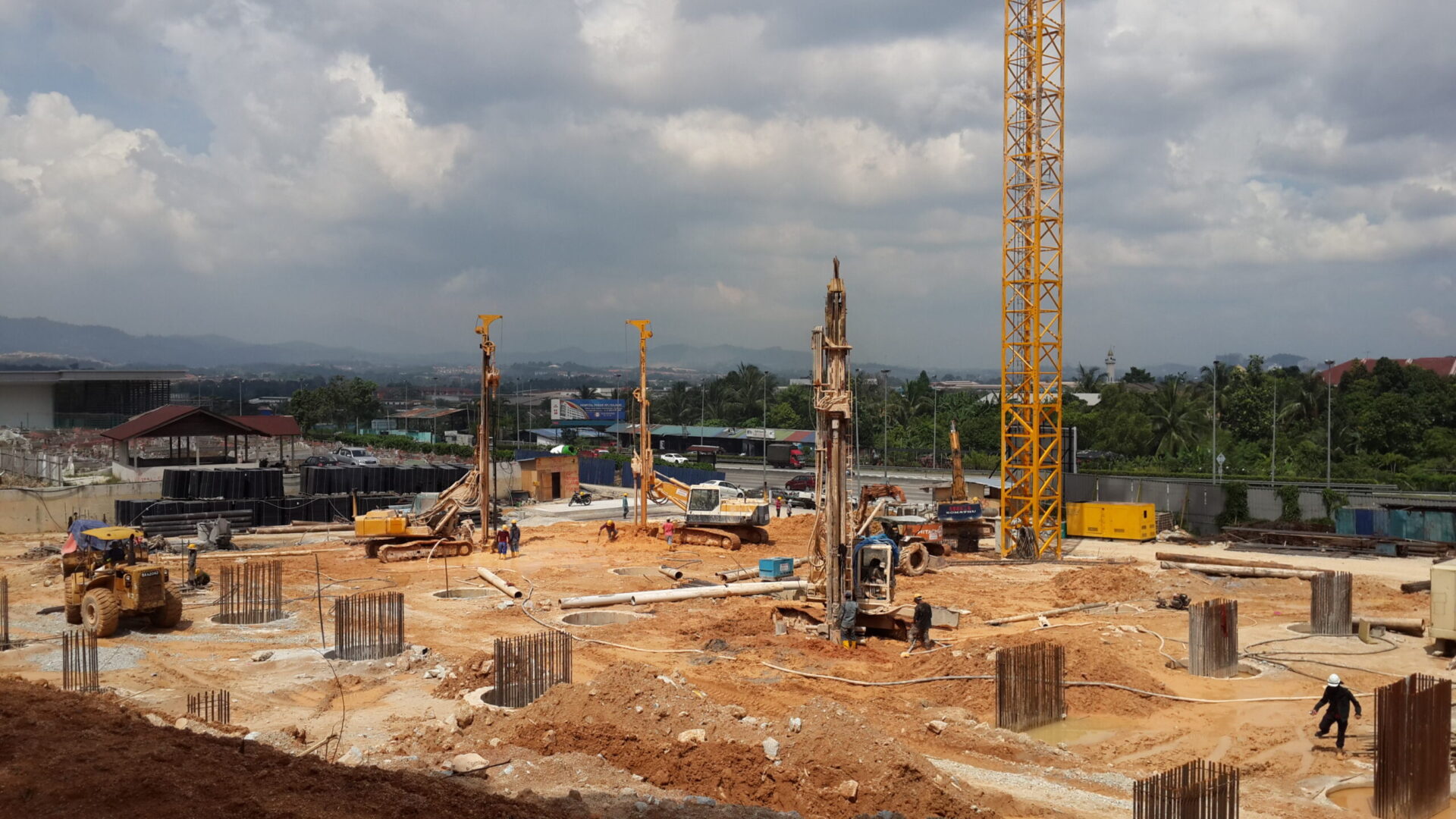
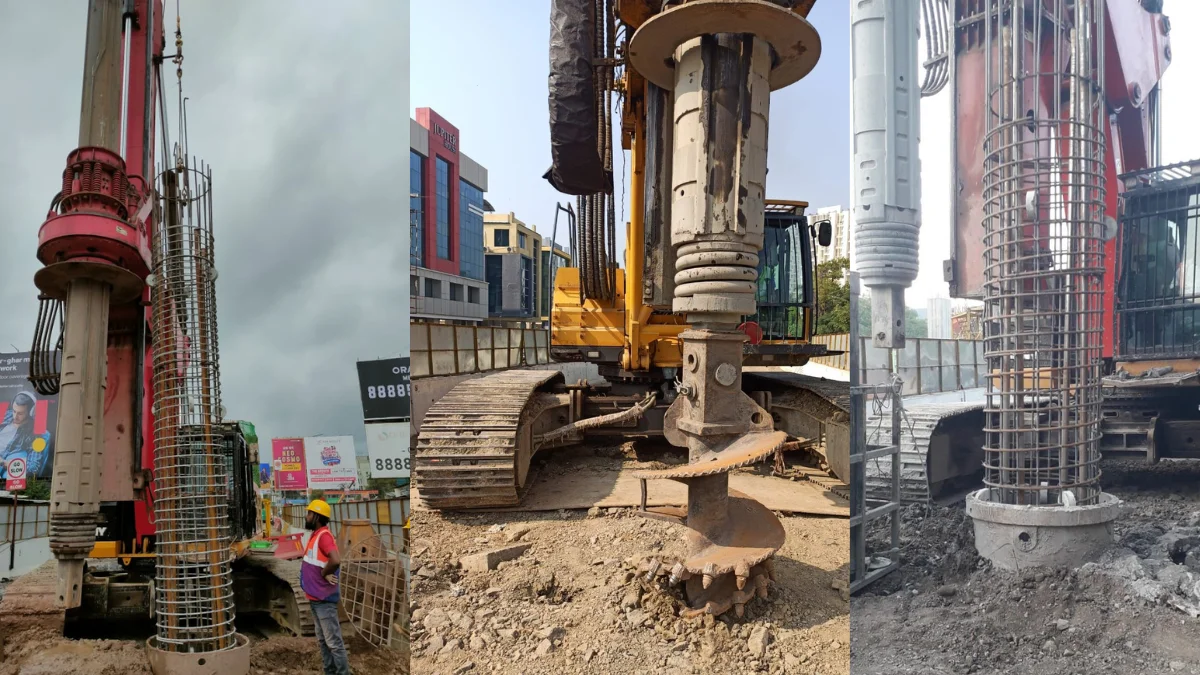
a) Bored Piles (Cast In-Situ)
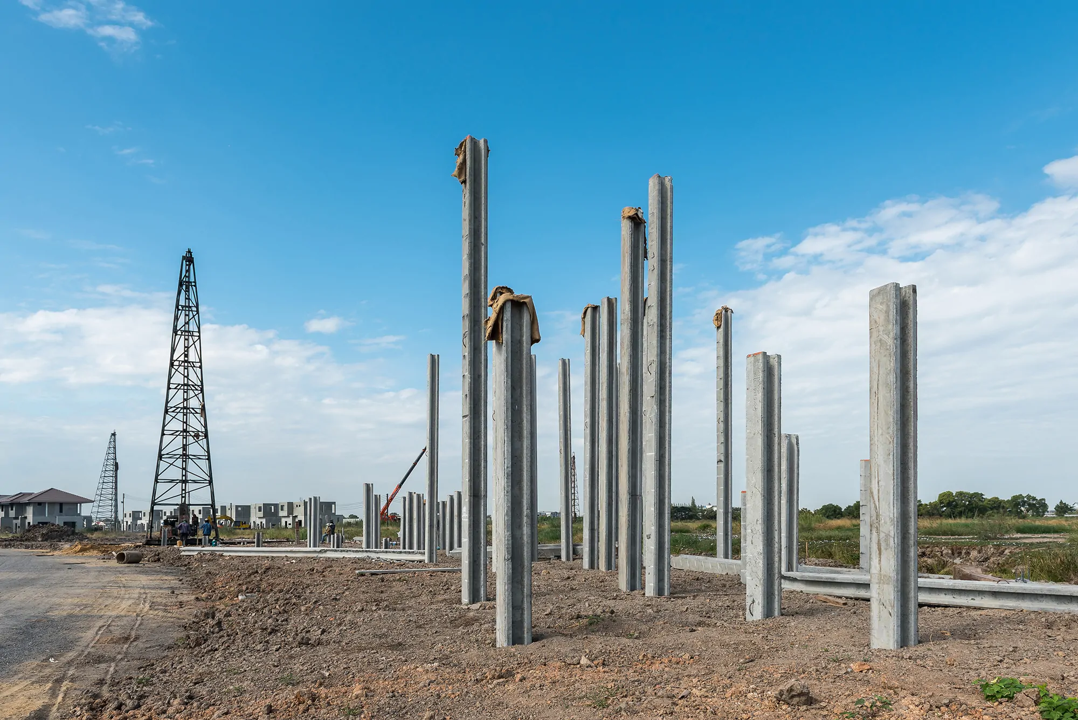
b) Driven Piles (Precast or Steel)
c) Micro Piles
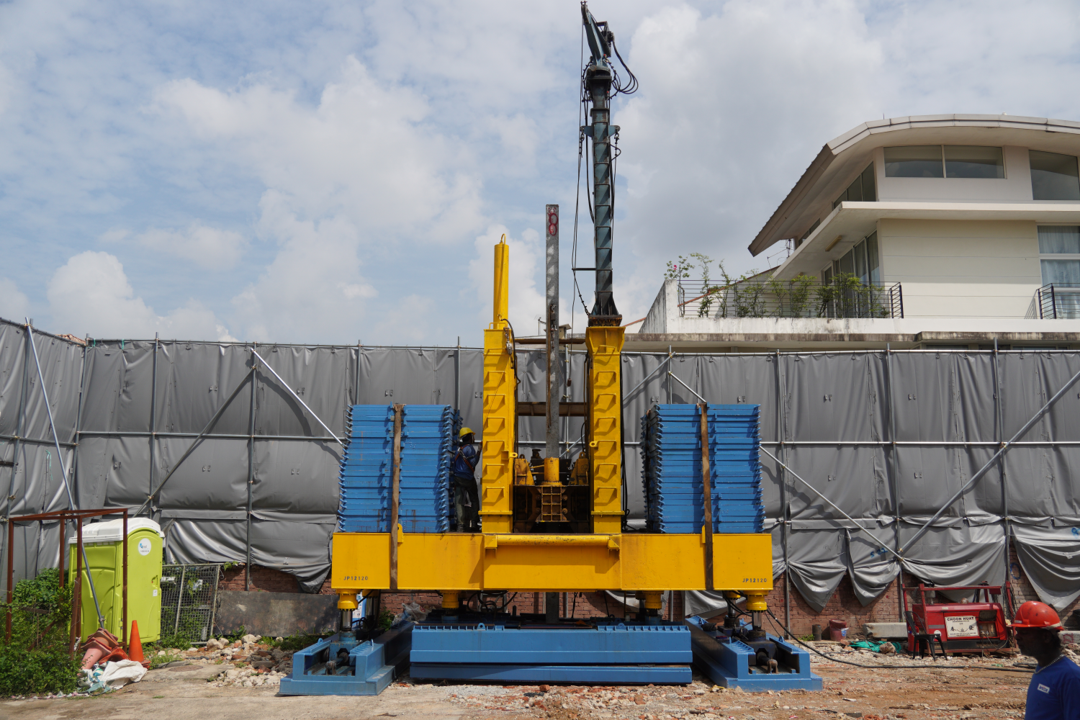
d) Jack-In-Piles
Design and Build Coordination for Piling
Piling is not just a structural issue—it is deeply connected to the building layout, client design needs, and interior design planning. Here’s how piling must be integrated within the overall project:
Architectural Coordination
Interior Design Integration
Client Design Need
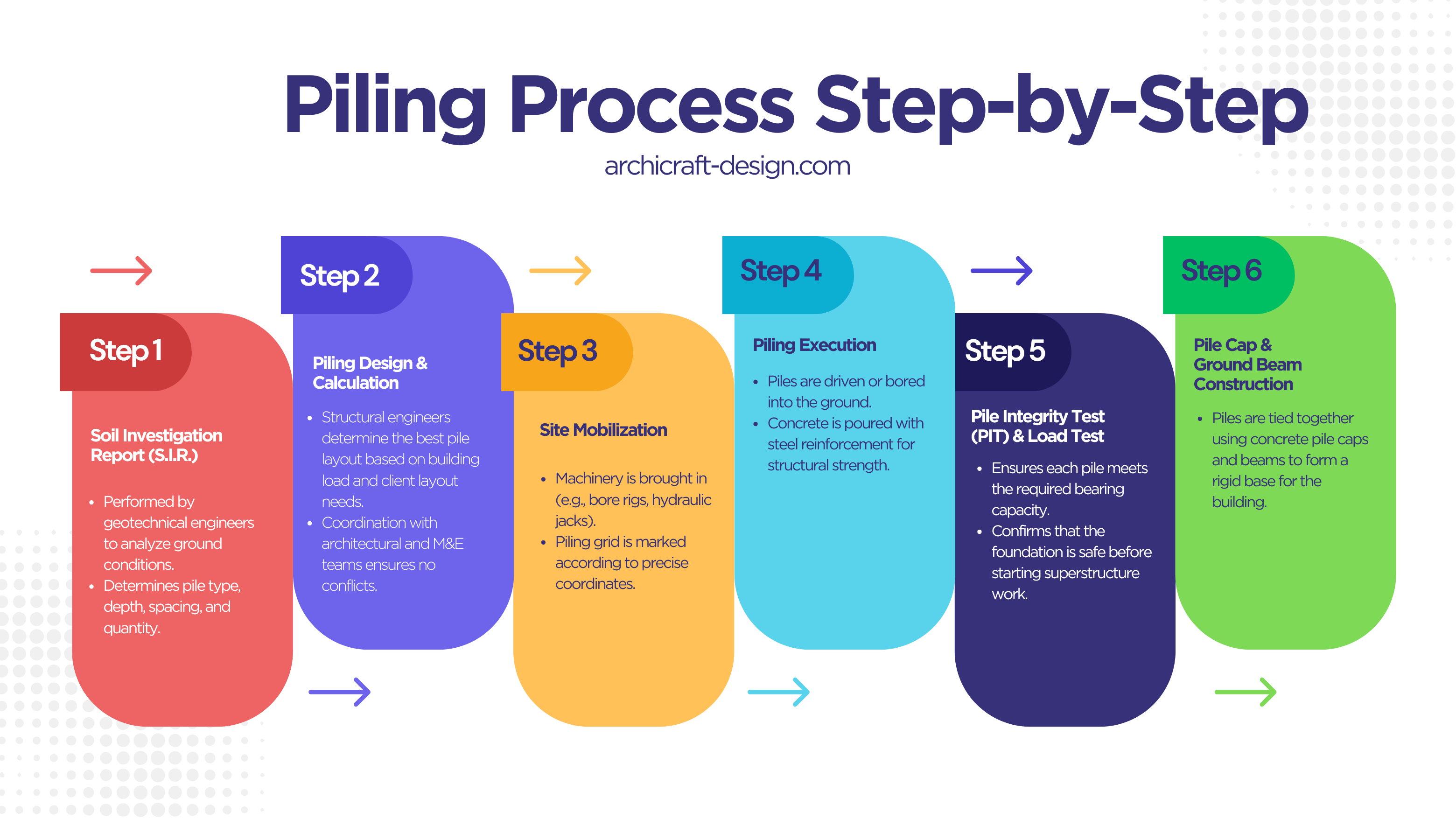
The image above shows the Piling Process Step by Step
DRAINAGE: CONTROLLING WATER FOR A HEALTHY STRUCTURE
After soil analysis and piling, drainage becomes the most critical element to safeguard the structure from water damage, protect interior finishes, and support a healthy living environment. In tropical regions like Johor Bahru, with frequent heavy rainfall and occasional flash floods, a well-designed drainage system is not just an add-on—it’s a necessity.
Whether you're building a modern bungalow, a multi-generational home, or a commercial space, an integrated and properly engineered drainage system will:
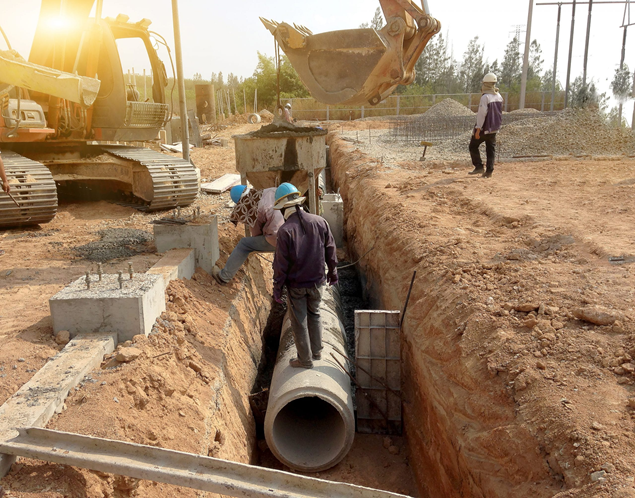
Types of Drainage Systems in Building Construction
This system handles the immediate removal of rainwater from the ground surface—roofs, driveways, terraces, and gardens.
Key Components:
Design Integration:
In residential projects, we often conceal downpipes within architectural columns or walls to maintain a clean facade. Outdoor grates are aligned with interior design and landscape themes to preserve visual harmony.

Image above shows Surface Drainage
Also called French drains, this system removes water that collects below ground level—often invisible but dangerous if ignored.
Key Components:
Use Case:
Essential for bungalows with basements, or on sloped sites in Johor Bahru, where groundwater can accumulate near retaining walls or under tiles. Subsoil drains keep the water table low and prevent hydrostatic pressure on basement walls.

Image above shows Subsoil Drainage
c) Stormwater Management
In urban or residential settings with limited soft landscaping, managing stormwater runoff is a major concern.
Strategies Include:
Design and Build Tip:
Incorporating these features early allows us to hide water tanks below driveways or garden beds—meeting client design needs without sacrificing usable space.

Image above shows Stormwater Management
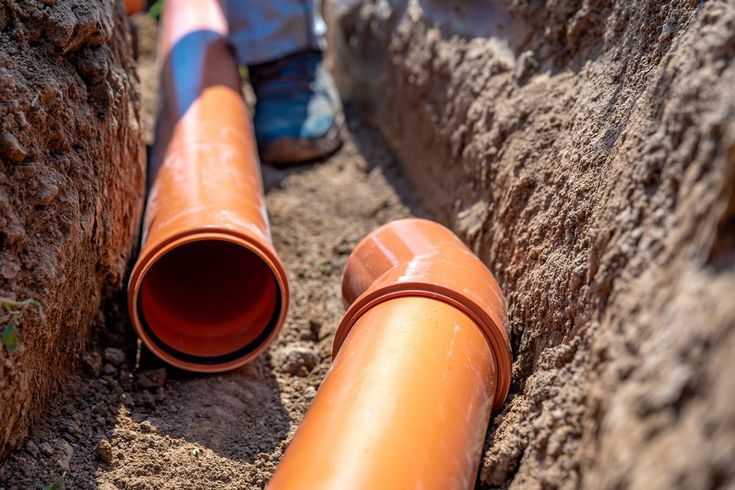
Drainage Design: Coordination is Key
Effective drainage design must be tightly coordinated with:
For example:
INFRASTRUCTURE: THE FRAMEWORK THAT POWERS EVERY BUILDING
After the soil is analyzed, and piling and drainage are properly installed, the next most important phase is infrastructure—the integrated systems that make a building livable, functional, and future-ready. Infrastructure is the invisible engine behind daily comfort, safety, and convenience.
In a well-executed design and build project, this step is not just technical—it’s strategic and deeply tied to the client’s design needs, interior design plans, and lifestyle requirements.

What Does “Infrastructure” Include?
a) Electrical Systems
b) Plumbing & Sanitary Systems
c) Sewerage & Drainage Connections
d) ICT & Smart Systems
e) Mechanical Systems
f) Fire Safety & Security
g) External Works

Every homeowner or property developer has unique priorities. Some want a minimalist open-plan layout; others desire a high-tech smart home. Whatever the goal, infrastructure must be planned first to support these aspirations. For example:
This level of integration is only possible with early and proactive planning during the design and build phase—especially in custom homes like bungalows in Johor Bahru, where each project is tailored.
Real-Life Application: Bungalow Projects in Johor Bahru
Let’s take a typical luxury bungalow project in Johor Bahru. These homes often feature:
Coordination with Other Disciplines
Infrastructure doesn’t work in isolation. It must be coordinated with:

Conclusion: Your Dream Home Starts Underground
At Archicraft Design, we believe that exceptional buildings are born from a strong foundation—both literally and figuratively. From deep piling solutions to effective drainage systems and seamless infrastructure integration, our construction methodology ensures long-lasting, functional, and visually stunning results.
Whether you’re planning a custom bungalow in Johor Bahru or a complex commercial facility, our design and build team works hand-in-hand with architects, engineers, and interior designers to deliver spaces that reflect your values and enhance your lifestyle.
Ready to build your dream home in Johor Bahru? Let us lay the foundation for your vision—starting from the ground up.
Explore Our Work:
Get in Touch:
For inquiries or to discuss your next project, feel free to contact us at +6011-5755 0549. Let’s bring your vision to life!