
ARCHICRAFT DESIGN SDN. BHD.
(Co. Reg. No. 1432818-V / CIDB Reg. No. 0120211031-WP088652)


Soil Analysis: The Crucial First Step in Building Construction
Building construction is the process of creating a structure - from planning and design to the actual physical building — intended for residential, commercial, industrial or institutional use. It involves a combination of architecture, engineering and skilled labor to bring a structure from concept to completion.
The building construction process typically involves several key phases: site analysis and planning, architectural and structural design, site preparation and foundation work, structural framework construction, mechanical and electrical installations, interior design and finishing and finally, inspection and handover to ensure the building meets all functional, aesthetic, and safety requirements.

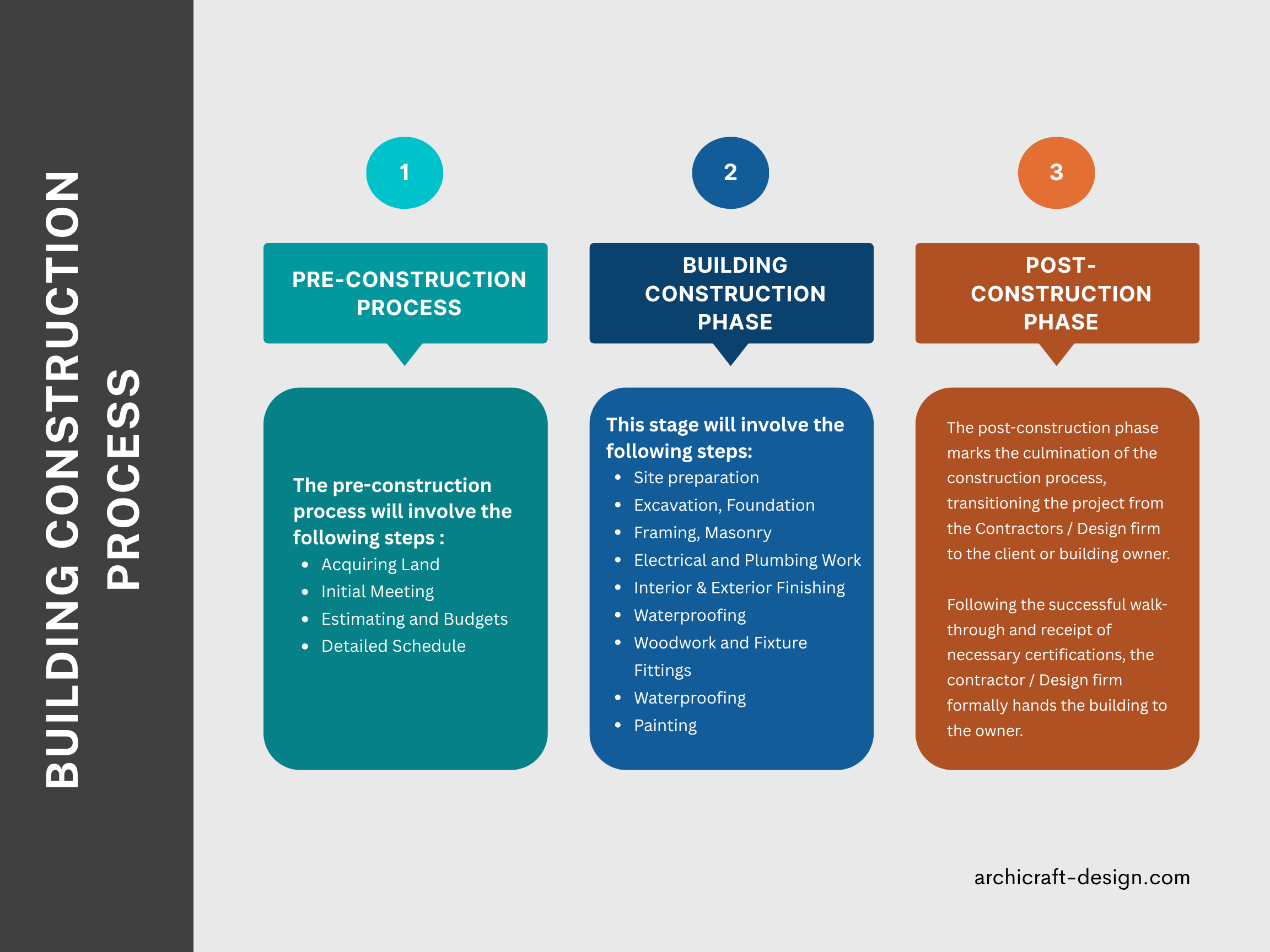
The image above shows the overview building construction flow from planning to completion.
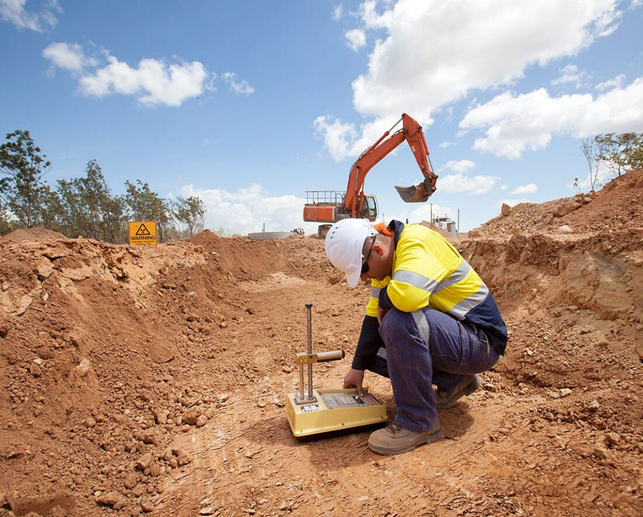
In the world of design and build, successful construction starts from the ground up - literally. One of the most critical yet often underestimated components in any project is soil analysis.
Whether you're planning a residential home or a commercial space in Johor Bahru, understanding the soil conditions ensures safety, durability, and cost-efficiency in both structural works and overall design.
What is Soil Analysis?
Soil analysis involves studying the composition, strength, moisture content, and stability of the ground at a proposed construction site. The findings guide decisions related to structure work, foundation type, drainage systems, and overall design layout. In other words, it’s the science that ensures your dream home or business isn’t built on shaky ground—literally.

The Role of Soil Analysis in Design and Build Projects
In design and build projects—especially those involving custom homes like bungalows or office buildings—the process typically begins with conceptual planning and design layout. However, no matter how innovative the design may be, it must be supported by a site that can safely bear the proposed load.
Here’s how soil analysis integrates into the process:
Based on the soil type and strength, engineers decide between shallow foundations (like pads or strips) or deep foundations (like piles). The design is then translated into details drawing and structural plans tailored to the specific site conditions.

Soil test reports help structural engineers calculate the size and reinforcement of beams, columns, and footings, ensuring the building is resilient against forces like settlement, shifting, or lateral pressure.
By understanding the soil early, contractors can avoid unnecessary over-design or underestimation, both of which can inflate project costs or lead to construction delays.
Proper soil analysis supports environmentally responsive architecture, allowing the building to work in harmony with the terrain, minimizing excavation and reducing long-term maintenance issues.

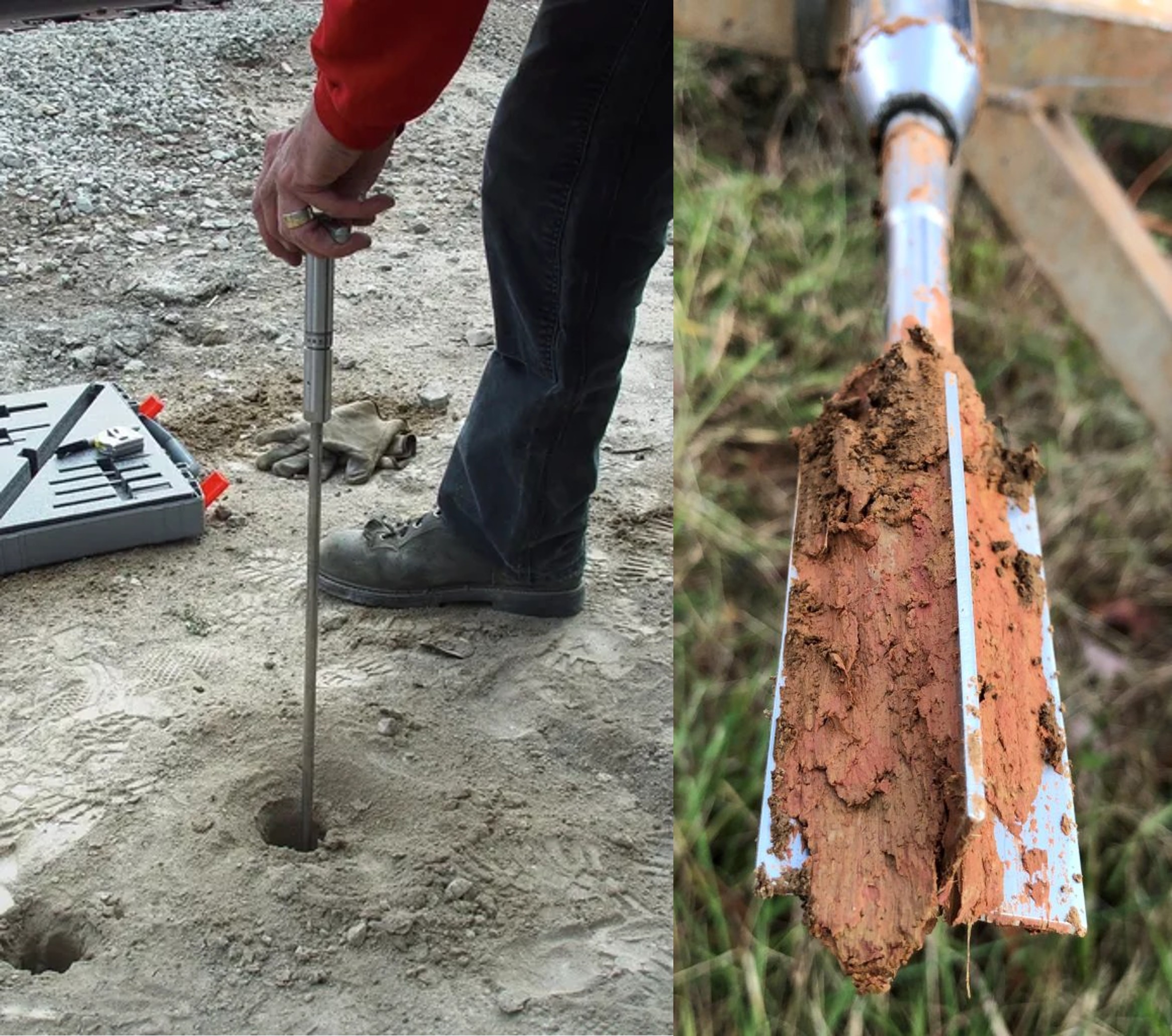
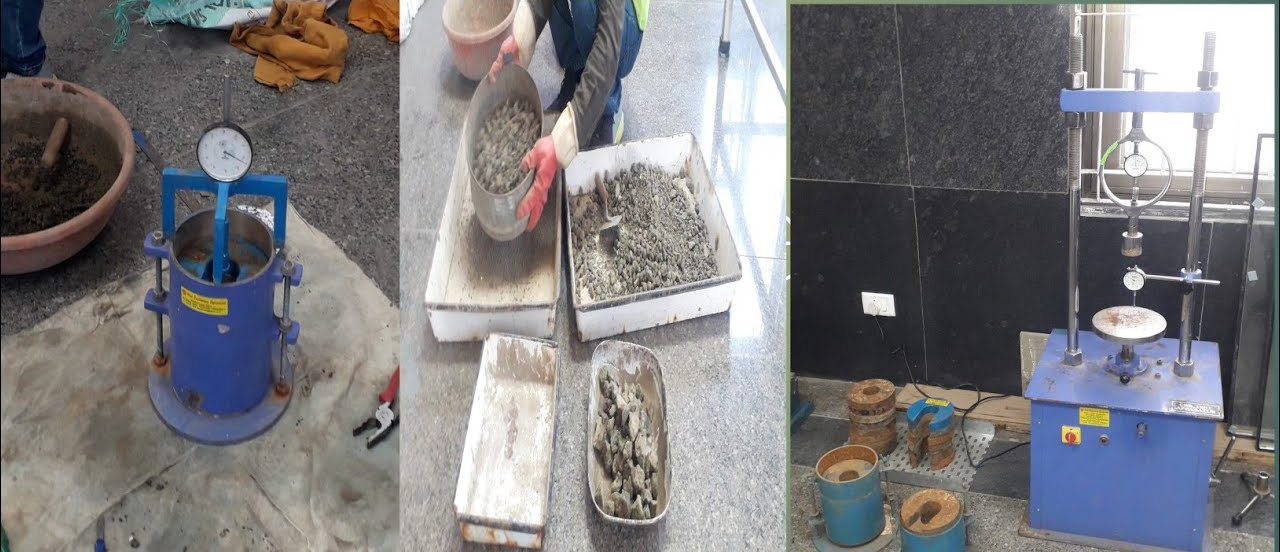
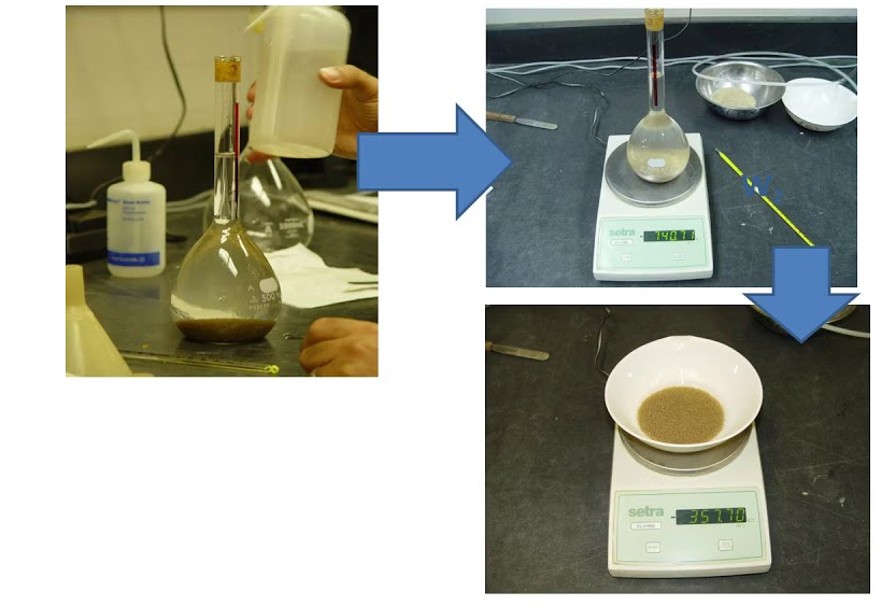
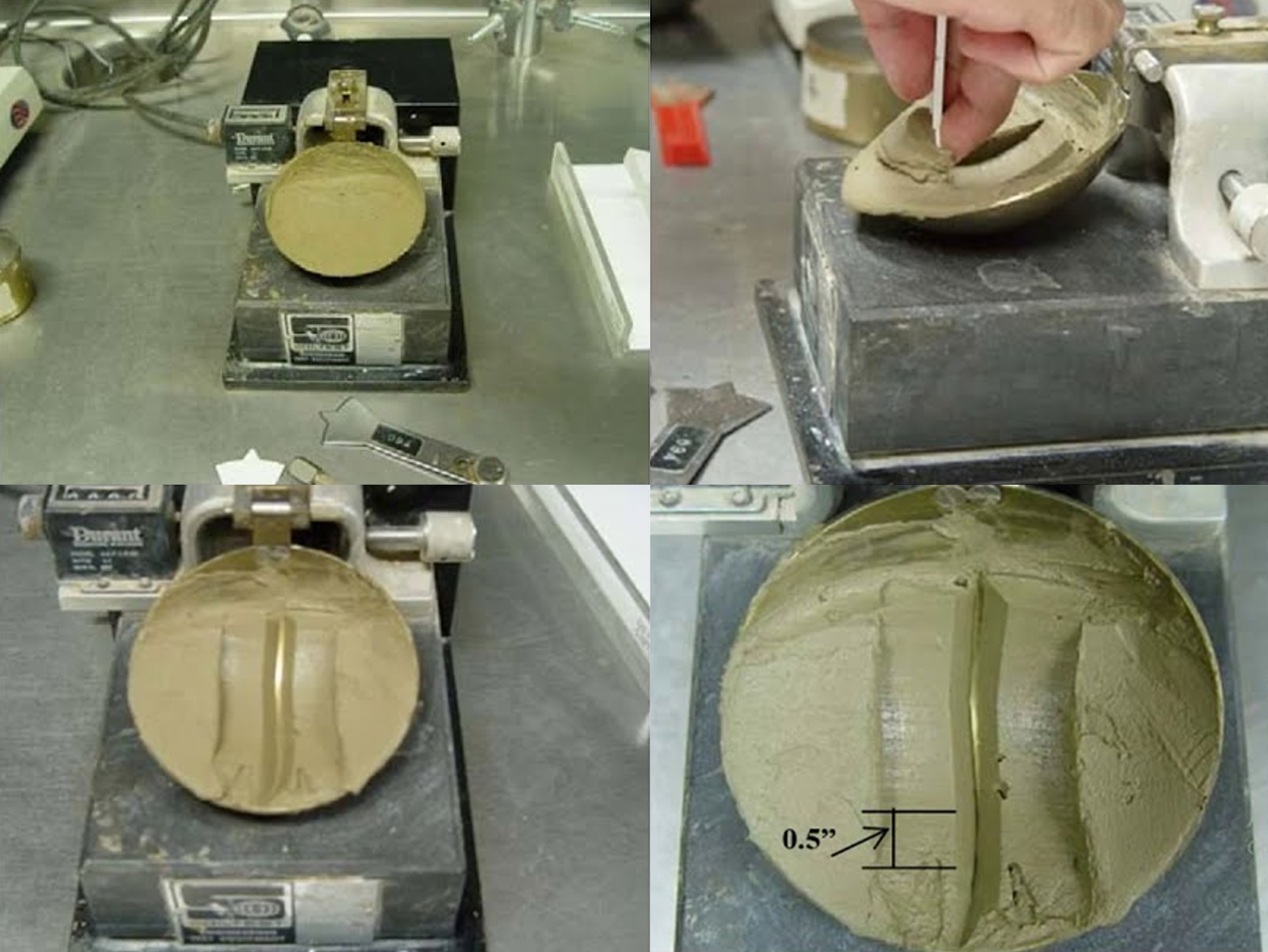
Common Types of Soil Testing Methods in Building Construction
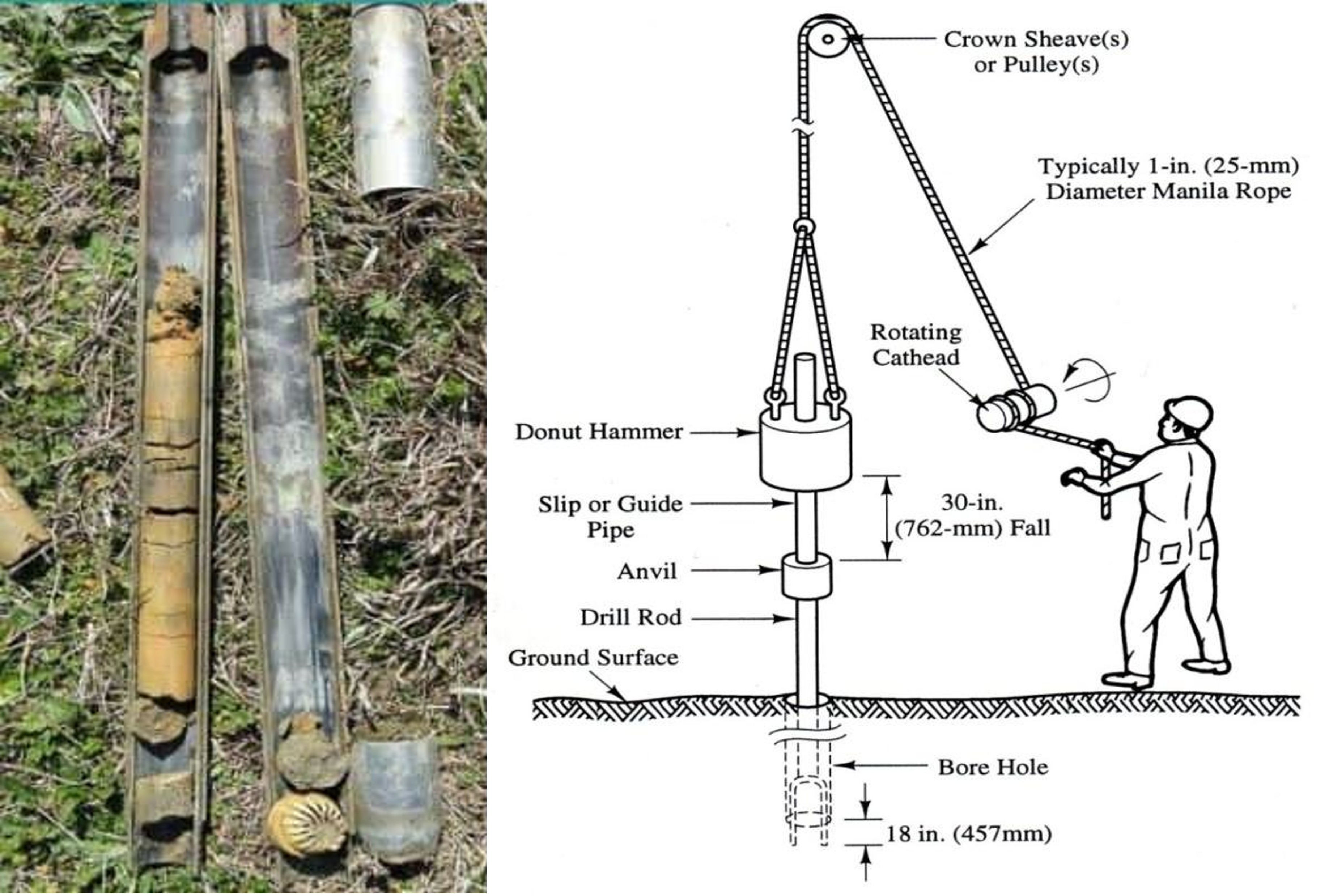
2. Plate Load Test

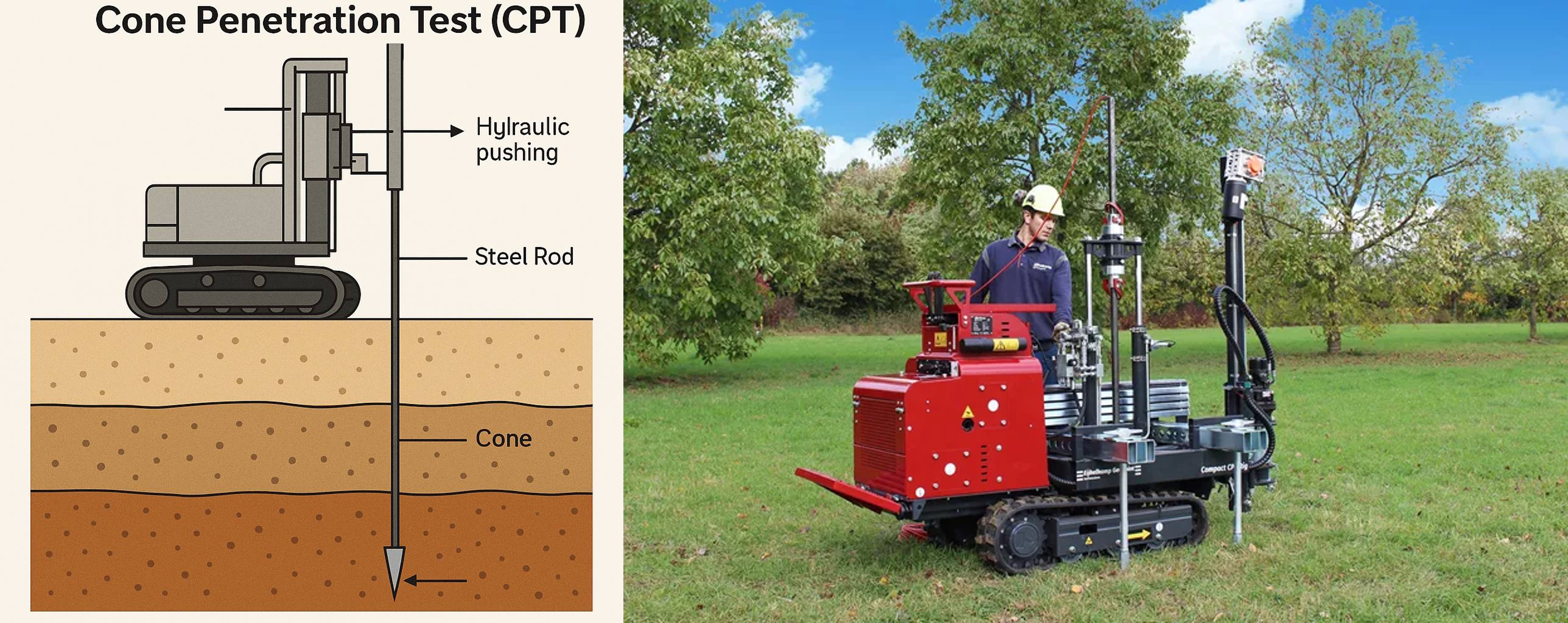
3. Cone Penetration Test (CPT)
4. Vane Shear Test
5. California Bearing Ratio (CBR) Test
6. Proctor Compaction Test

8. Moisture Content Test

10. Atterberg Limits Test
Soil Considerations for Johor Bahru Construction
In Johor Bahru, the soil types vary across different regions—from clayey soils near the coast to sandy or lateritic soils inland. A professional soil investigation in this area is vital to avoid costly design errors and foundation failures.
For example, clay-rich soil in parts of Johor Bahru may swell or shrink with moisture changes, necessitating reinforced foundations and specialized materials. A thorough soil report allows architects and engineers to customize the layout design and structural reinforcements accordingly.
Impact on Structural Works
From the moment soil results are available, engineers can plan the structural works such as:
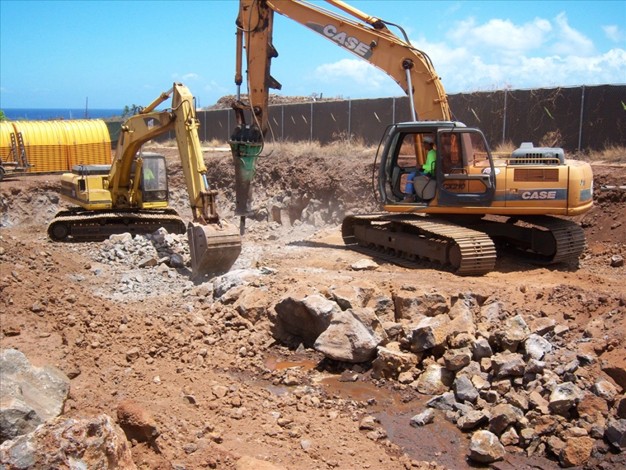
Shaping Interior Design Through Ground Knowledge
While it may seem unrelated, interior design can also benefit from early soil analysis. Why?
Because decisions on wall placements, floor levels, moisture-proofing, and even flooring materials depend on foundation behavior. A home with soil movement issues might require expansion joints or floating floors—details that significantly affect the layout design and finishing.

Aligning with Building Layout and Client Design Needs
Every client has a unique vision, whether it's a spacious bungalow with minimalist interiors or a multi-Storey structure tailored for commercial use. But without understanding the ground beneath, that vision could face major structural limitations. Soil analysis ensures your building layout can safely accommodate your design and build aspirations.
For example:
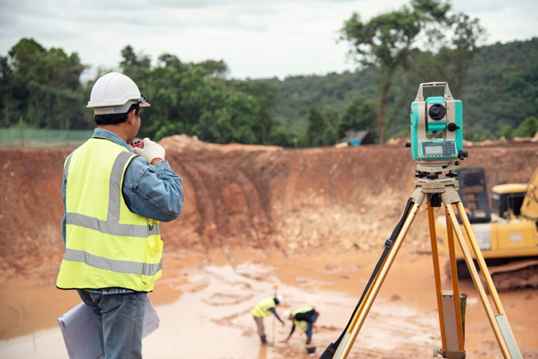
Conclusion
Soil analysis is not just a technical requirement—it’s the backbone of every successful construction project. Before any sketches are made or walls go up, understanding the earth beneath ensures that the final structure stands strong, safe, and sustainable.
In places like Johor Bahru, where terrain and soil conditions vary widely, this step is even more critical. For any design and build team striving to deliver exceptional architecture, functional interior design, and client-specific solutions, soil testing must always be the first step in the construction journey.
Explore Our Work:
Get in Touch:
For inquiries or to discuss your next project, feel free to contact us at +6011-5755 0549. Let’s bring your vision to life!