
ARCHICRAFT DESIGN SDN. BHD.
(Co. Reg. No. 1432818-V / CIDB Reg. No. 0120211031-WP088652)


Understanding Deconstruction in Design: Breaking the Rules to Create Bold Spaces
In the evolving world of architecture and interior design, creativity often emerges from challenging traditional rules. One of the most striking examples of this philosophy is Deconstruction in Design (解构主义), also known as Deconstructivism. This approach redefines conventional design by embracing fragmentation, asymmetry, and unexpected forms to create bold and thought-provoking spaces.
Influenced by the philosophical ideas of Jacques Derrida, deconstruction challenges the idea that structures and spaces must follow strict order and harmony. Instead, it encourages designers to reinterpret space, form, and function in unconventional ways.
What Is Deconstruction in Design?
Deconstruction in design is a method that breaks down conventional architectural elements to reconstruct them in unexpected ways.
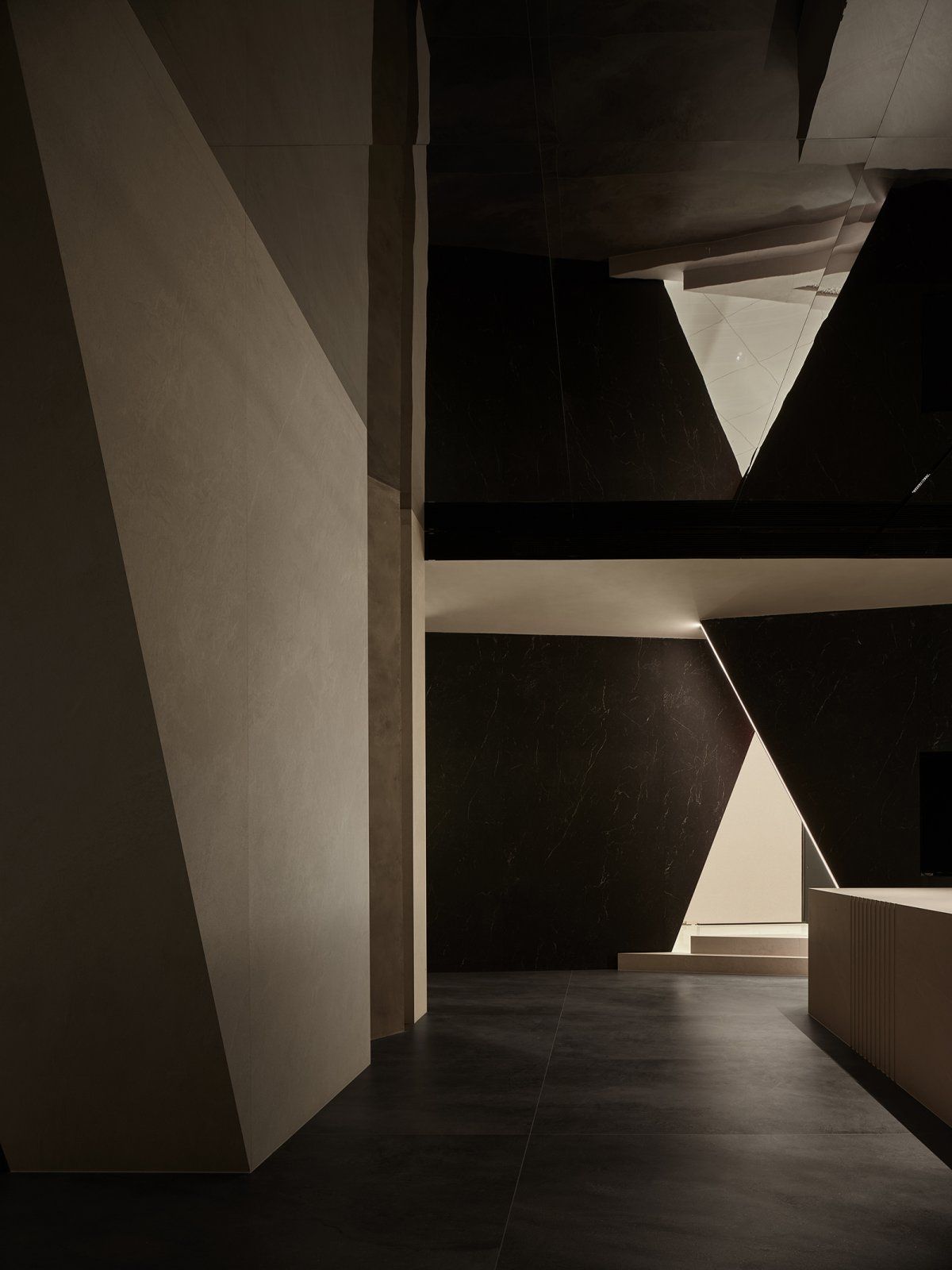
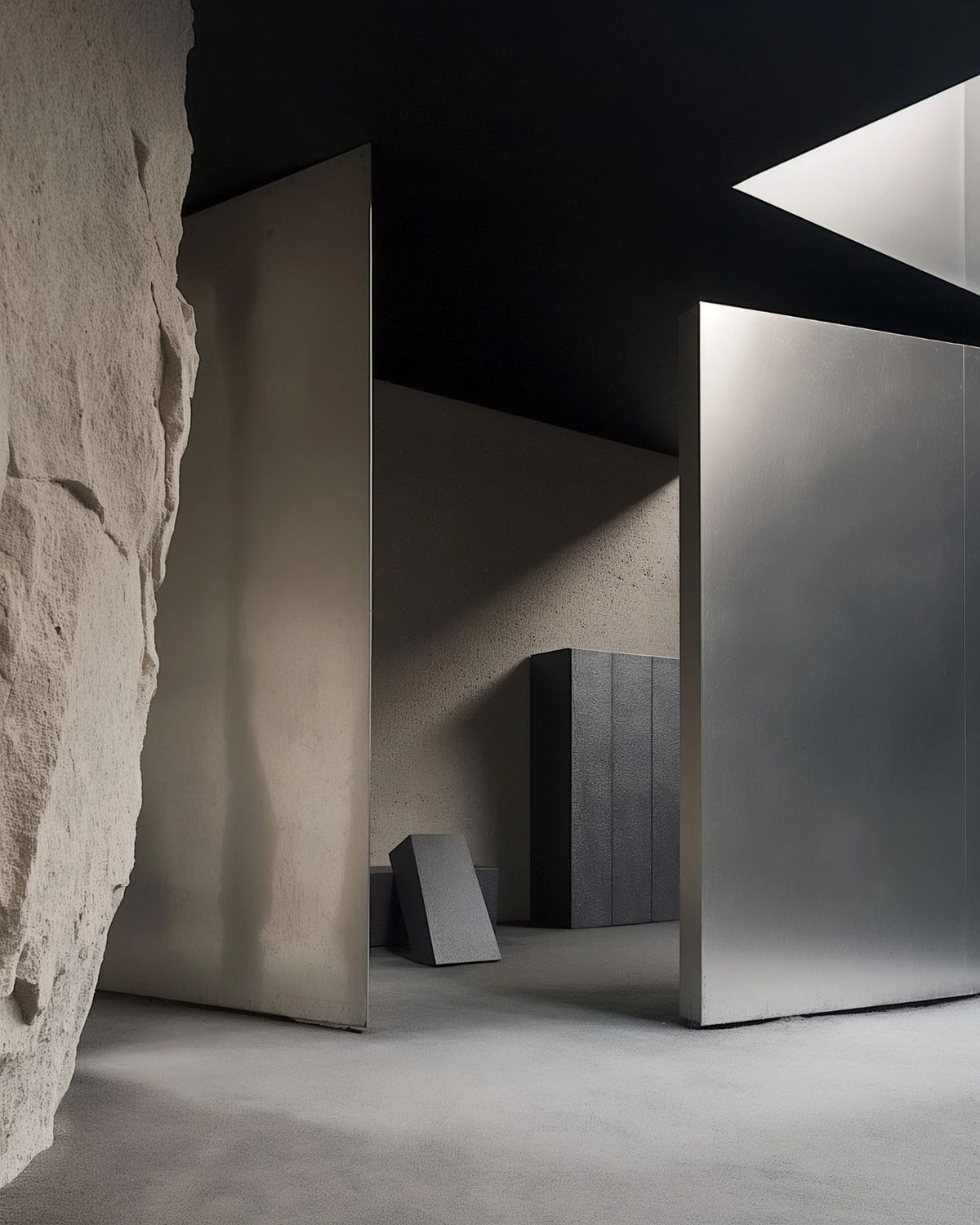
Walls, ceilings, and furniture may appear tilted, fragmented, or even seemingly unstable, yet they are carefully designed to provoke thought, curiosity, and emotional impact. This approach allows designers to explore form, function, and perception in a new and exciting way.
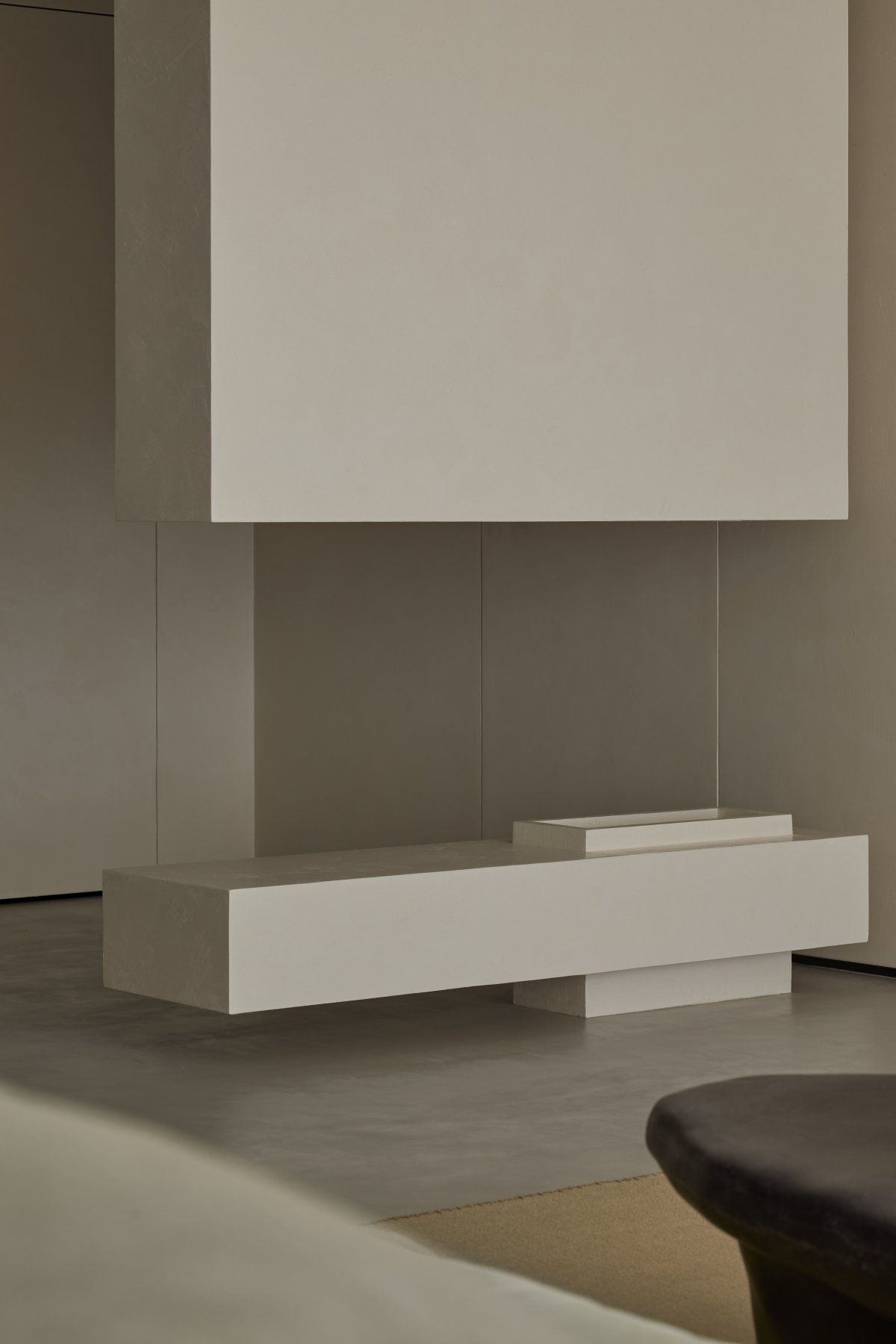
Key Principles of Deconstructivism
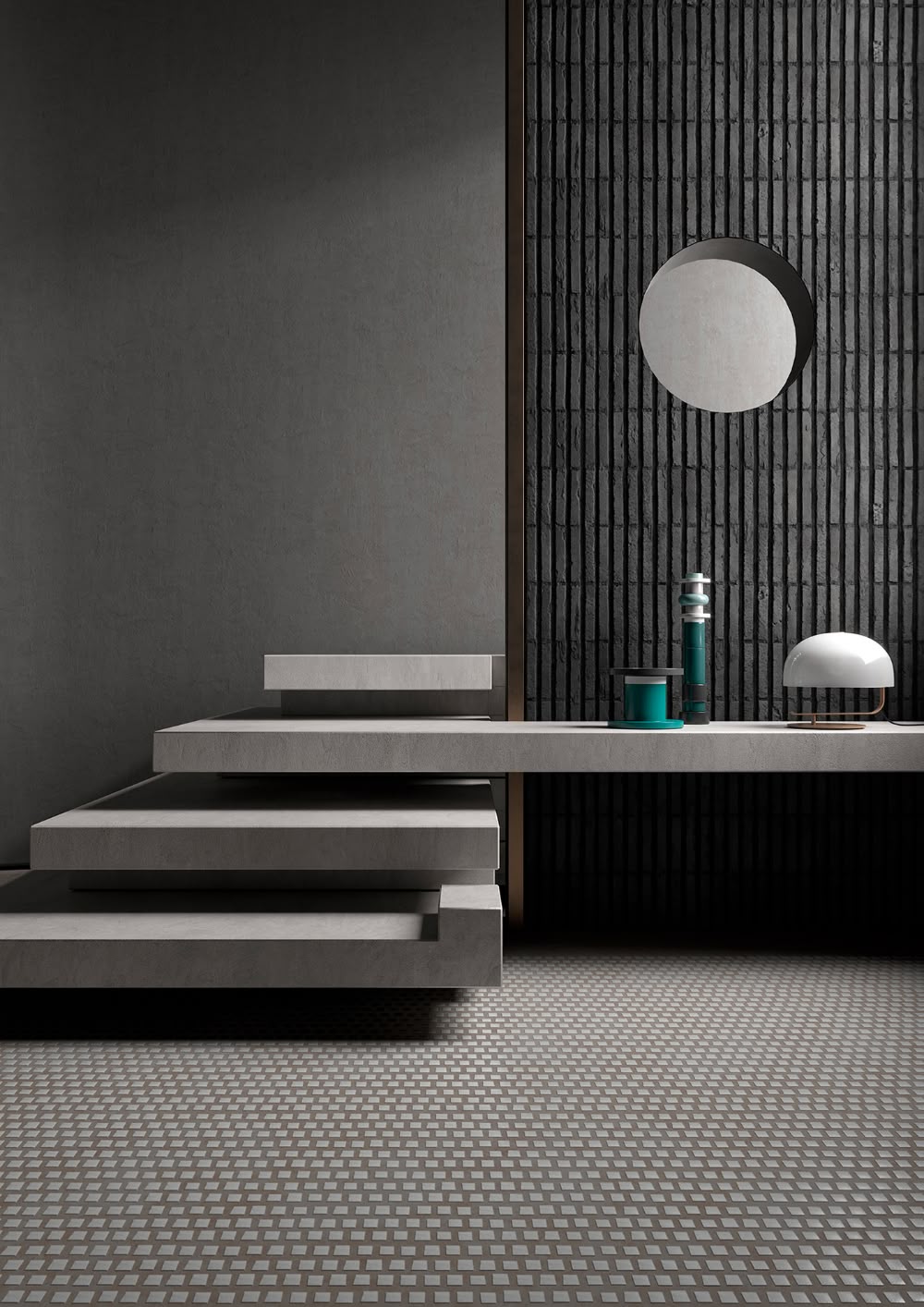
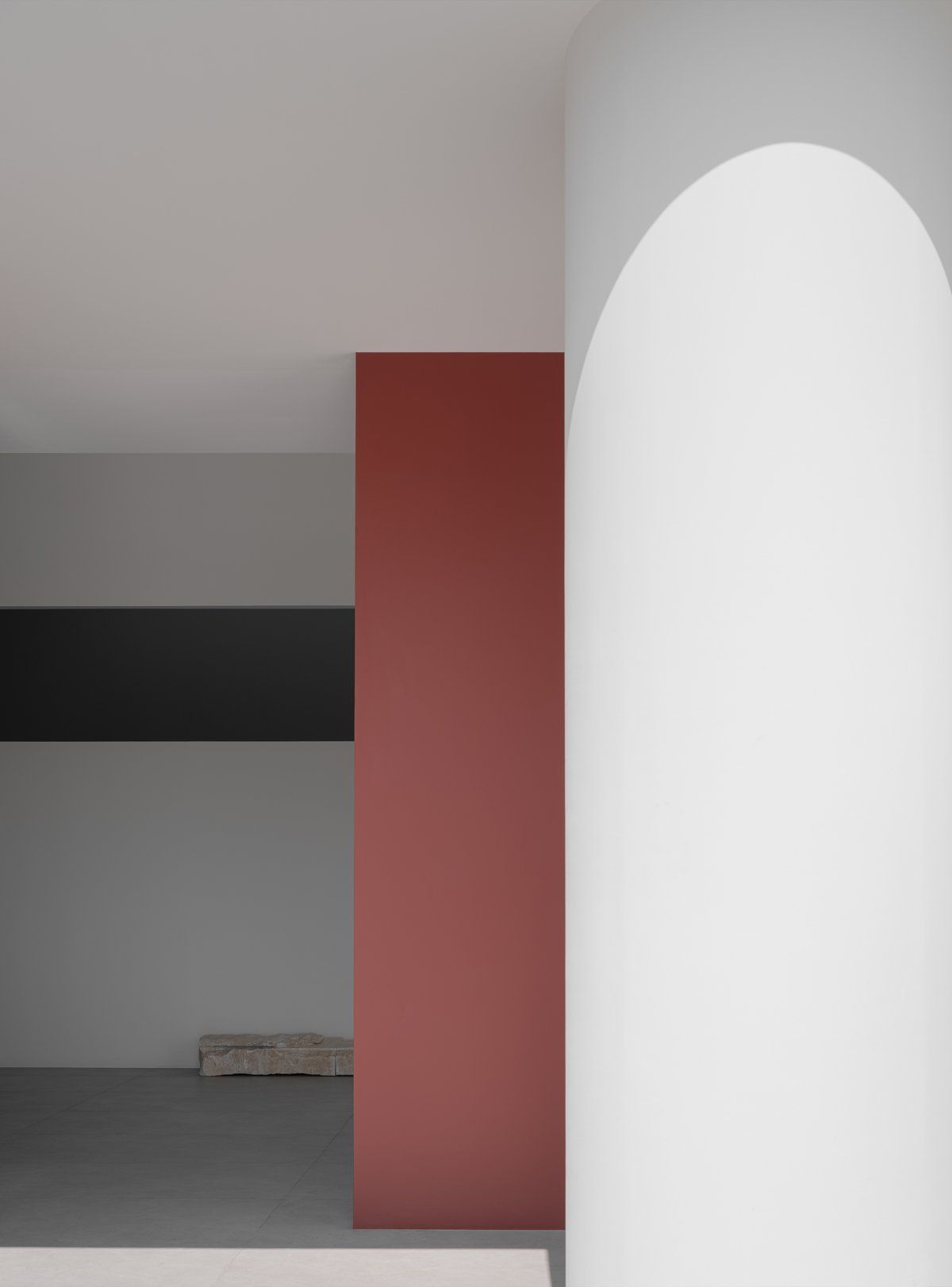
Deconstructivism in Architecture and Interior Design
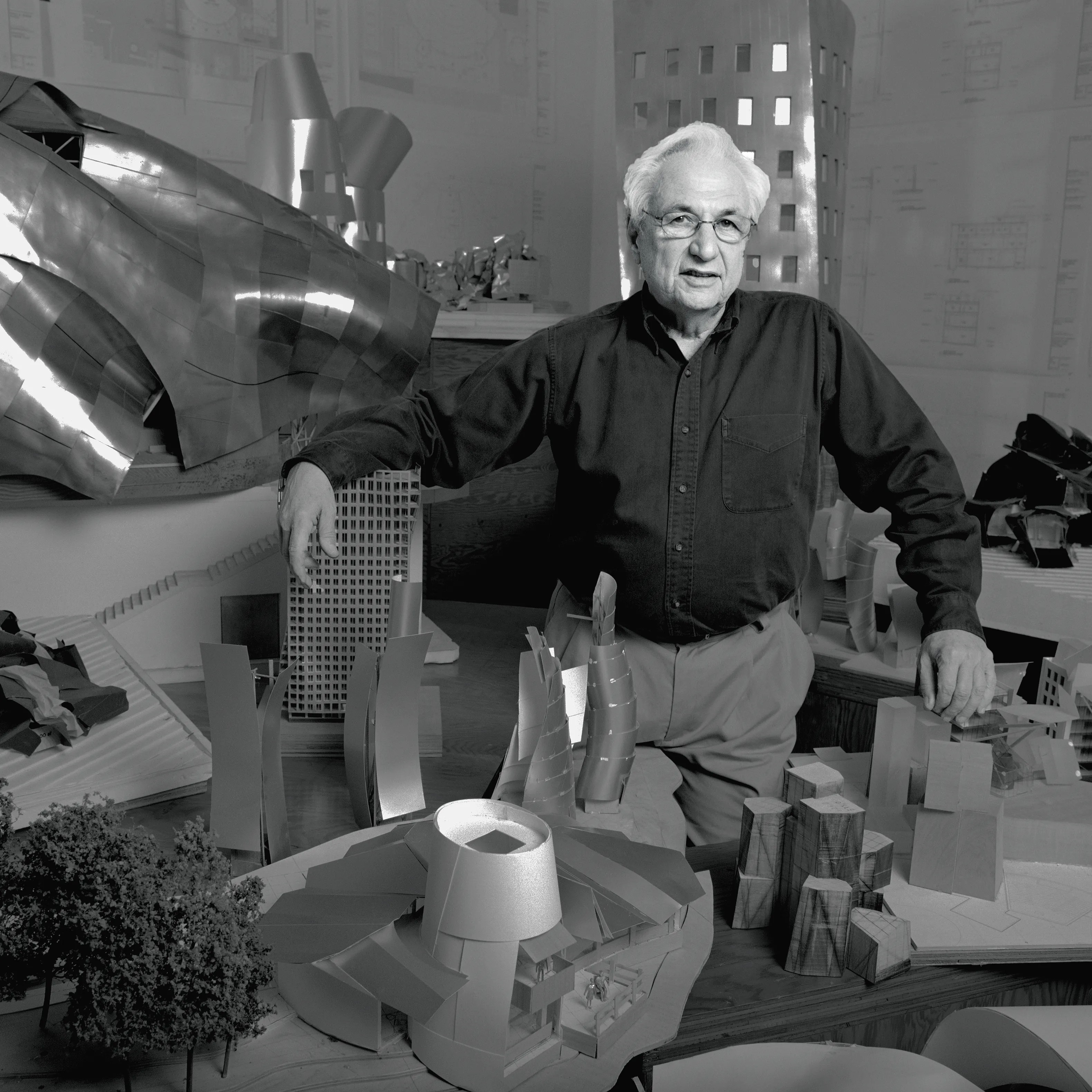
Some of the most iconic Deconstructivist Architects, such as Frank Gehry (Picture 1 below) and Zaha Hadid (Picture 2 below), demonstrate how this approach transforms urban landscapes. Gehry’s Guggenheim Museum Bilbao is famous for its twisting, metallic forms, while Hadid’s fluid structures redefine how we perceive movement in architecture.
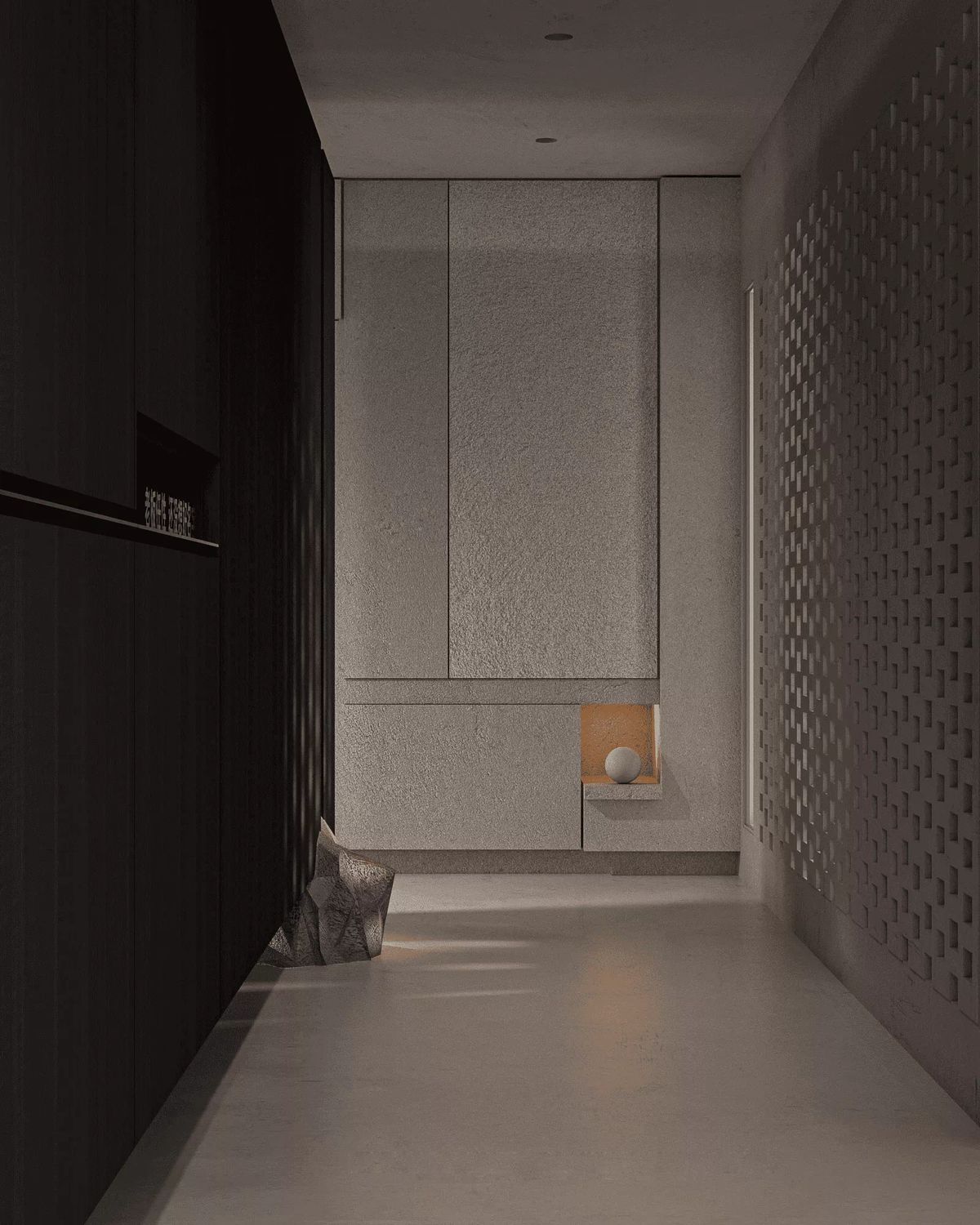
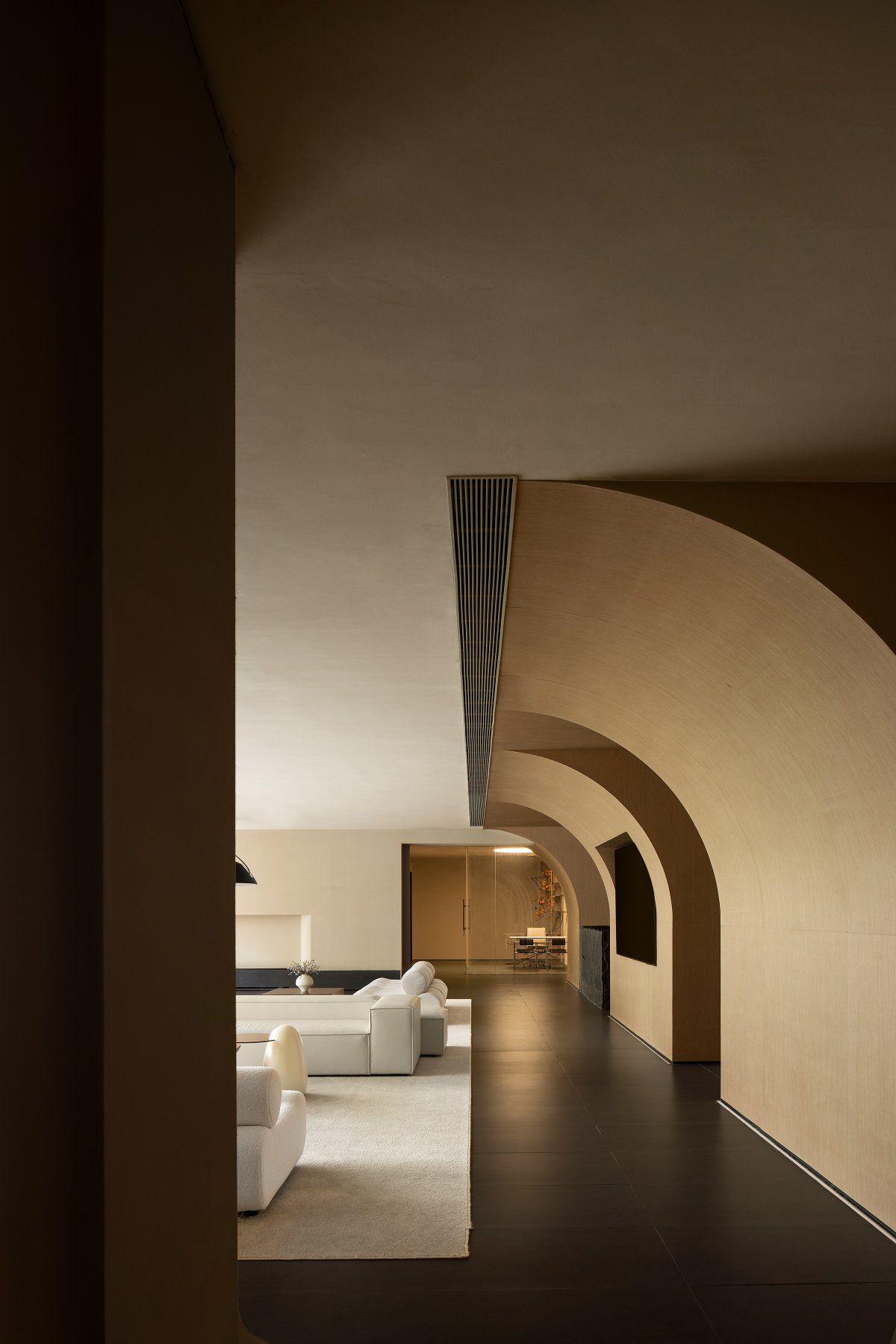
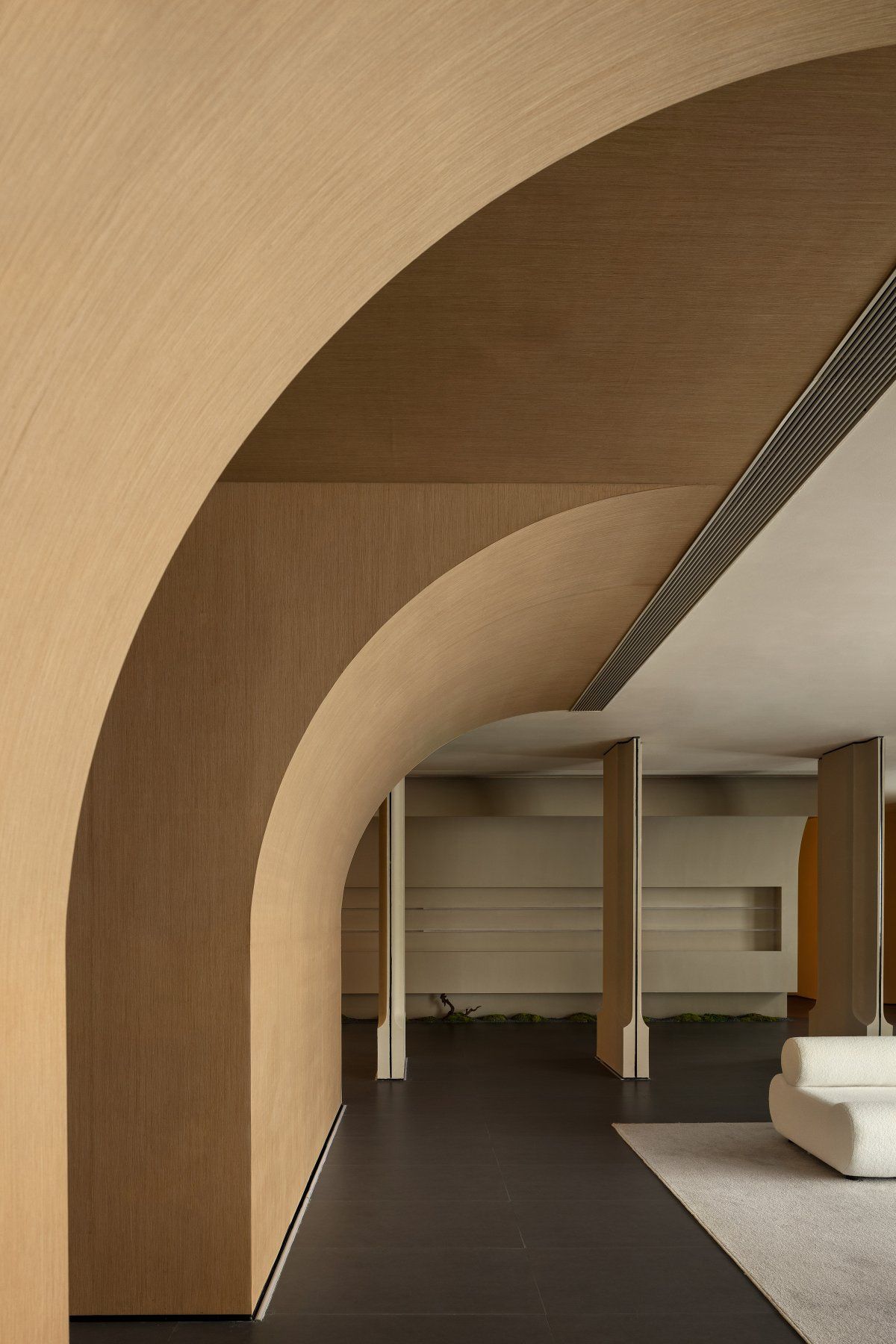
In interior design, deconstructivism translates into spaces that challenge traditional expectations. For example, modular furniture may be arranged in asymmetrical patterns, walls may intersect at unconventional angles, and lighting may accentuate unexpected shadows and reflections. The result is a living or working environment that feels both artistic and avant-garde.

Why Choose Deconstructivism Design?
Conclusion
Deconstruction or deconstructivism in design is more than a style—it’s a philosophy. By embracing irregular forms, tension, and creative experimentation, designers can craft spaces that provoke thought and inspire. Whether in architecture, interior design, or furniture layout, deconstructivist methods offer endless possibilities for bold, innovative, and unforgettable environments.
Explore Our Work:
Get in Touch:
For bespoke interior solutions tailored to your lifestyle and cultural preferences, contact us at +6011-5755 0549. Let’s turn your vision into a crafted reality.